Violent Draft Line: Ukrainians Face Rising Attacks on Recruiters
The fight against Russia has stretched beyond the front lines into the heart of Ukrainian society. As the nation struggles to replenish its ranks, a growing number of reports detail violent confrontations between conscription officers and civilians, including soldiers, university professors and draft‑dodgers.
A Soldier’s Painful Past
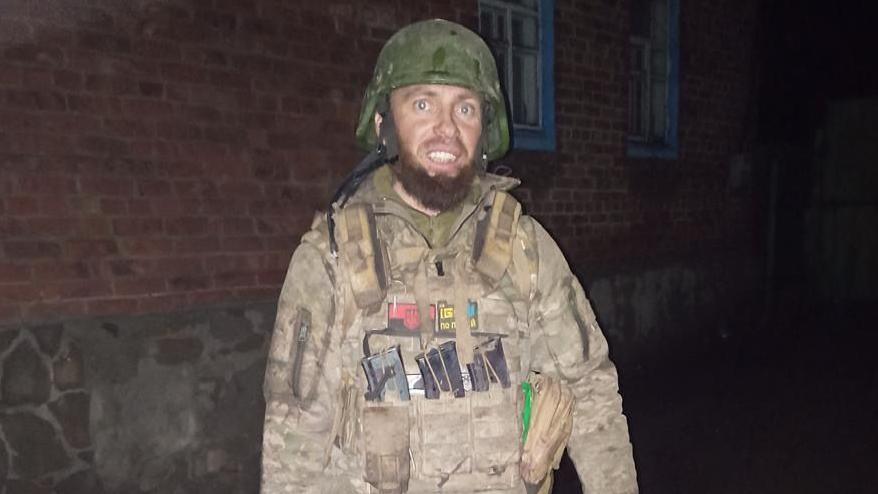
Vasyl Krupych, a veteran of the Donbas clashes, has survived terror on front‑line trenches, yet December 2023 left him in a hospital for six weeks after a crowbar assault by his own recruiters while he was out looking for draft‑dodgers.
He remembered men fleeing when asked for papers and how, during the chase, he was struck on the ribcage and left gasping for breath.
The Surge in Violence
Military ombudsman estimates that attacks on recruitment officers have become “regular” with more than 600 incidents logged. April saw biting stabbings, one fatal. A February rally in Lviv turned acrid when 200 protesters smashed a recruiter’s vehicle.
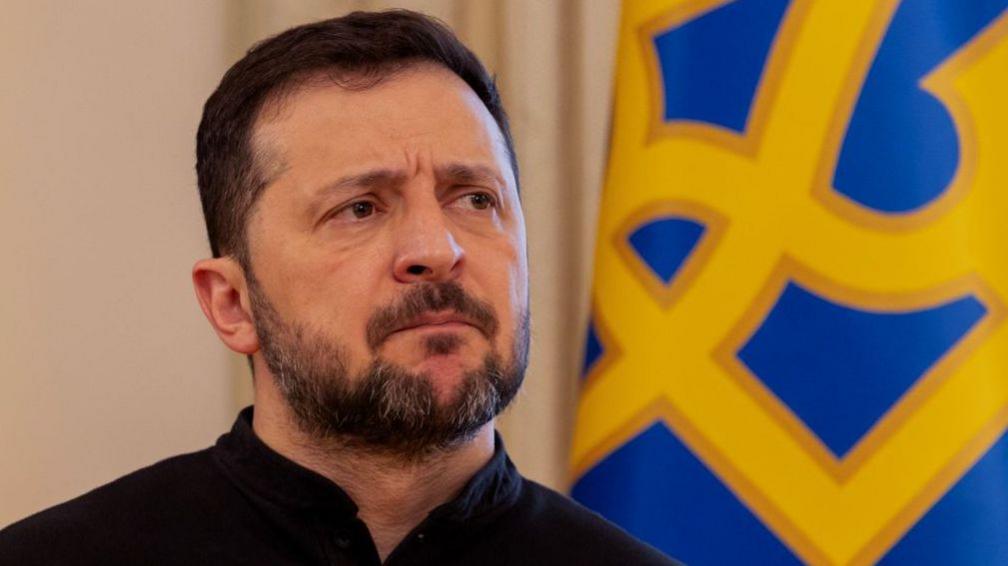
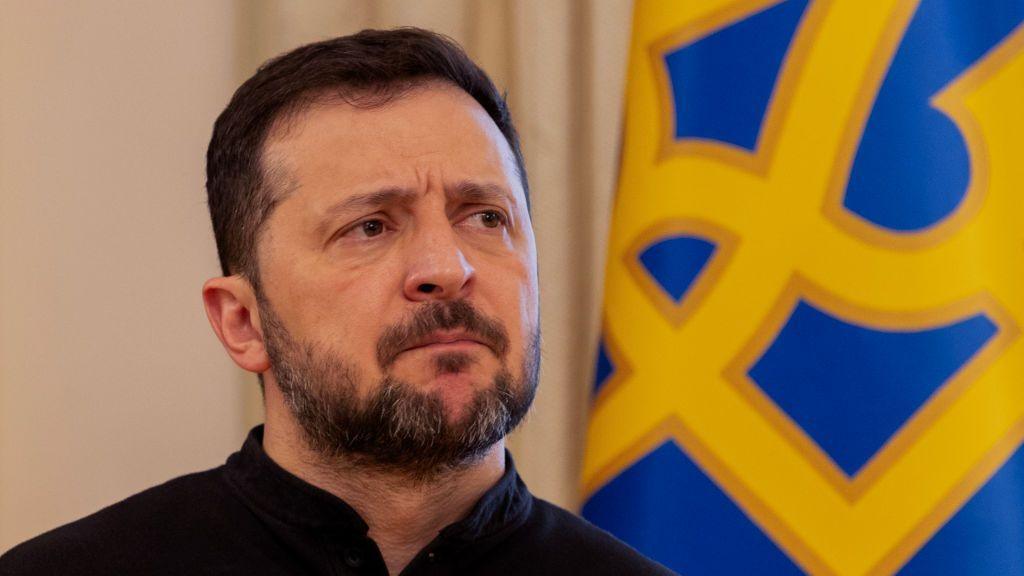
President Zelensky publicly condemned such violence, but his subsequent removal of Defence Minister Fedorov has stalled reforms that could calm the crisis.
Busification – The New Recruits’ Reality
Military analysis reports a process called “busification,” wherein mobile patrols round up men in buses. Recruiters claim that when refusals arise, “the conflict erupts on the street.”
Opposition MP Oleksandr Honcharenko blames the policy for backlashes, stating that “violence leads to violence.”
Human Rights Lawyer’s Testimony
Kyrylo Ogdansky, a university professor exempt from the draft, was physically assaulted by recruiters after he tried to question the patrol’s legality. He lost his phone and endured head and nose blows, and after two weeks in hospital, he pressed formal complaints.
Ogdansky’s reports echo the 6,000 complaints logged by the Human Rights Commissioner last year, many involving abuse and inadequate conditions.
Seeking a Solution
Defence Minister Fedorov’s brief tenure included initiatives: fixed‑term contracts, salary hikes for high‑risk roles, and potential handover of draft patrols to the police. The reforms were incomplete when he was dismissed and postponed a clear resolution.
Polls and statements reveal that “everyone is afraid to die,” highlighting deep‑seated reluctance to volunteer and the need for more attractive incentives.
Until a stable leadership and transparent process can be restored, the cracks between duty, fear, and violence will likely widen, threatening both the front line and the nation’s morale.