In brief
Since a sudden wave of migration into the Spanish exclave of Ceuta at the end of July, prosecutors have documented 23 sexual assaults, nine against children. Almost a case per day, the violence has heightened tensions between migrants and local residents and sparked criticism of the Spanish government’s handling of the crisis. Authorities warn that many victims remain silent due to fear and precarious status, while political leaders debate solutions and call for swift action. Amid escalating security concerns, Prime Minister Pedro Sánchez has invoked the national security council and plans to visit Ceuta, but diplomatic friction with Morocco looms as the crisis evolves.
Sexual assaults recorded in Ceuta since the July migrant influx
Spanish prosecutors have documented 23 sexual assaults—including nine against children—tallying nearly one incident per day in the Spanish exclave of Ceuta since the mass migration that took place on 30–31 July.
Chief prosecutor Silvia Rojas highlighted that migrant girls are particularly vulnerable due to their irregular status in the territory, and that many victims have not filed reports out of fear of retaliation or because of their precarious living situation.
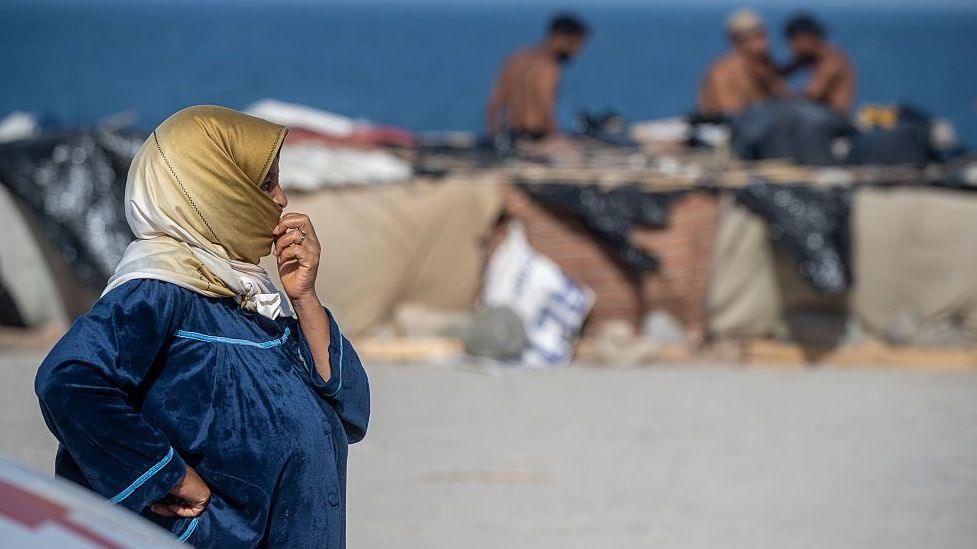
Of the estimated 5,000 migrants still remaining in Ceuta, between 1,400 and 1,600 are children, according to Rojas. Suspected attackers include four Moroccans, three Spaniards and a Belgian.
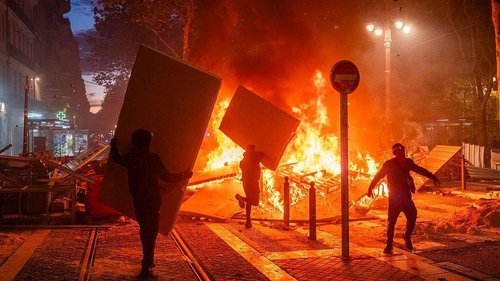
The influx has sparked violent clashes between migrants and local residents, prompting Pedro Sánchez to convene the national security council and outline a multi‑million‑euro aid package to support essential services and care for unaccompanied children.
The Spanish Society of Epidemiology underscored how the border crisis has exposed the difficulty of detecting and tackling violence against migrant women and girls.
Susana Ascaso, a surgeon at Ceuta University Hospital, noted that the department had treated several sexual assault victims—including a 10‑year‑old girl—over the past month.
Mayor Juan Jesús Vivas urged Spanish citizens to participate in demonstrations across mainland Spain in support of Ceuta, coinciding with the city’s annual holiday.
Political tensions and diplomatic fragility
Prime Minister Sánchez said that King Felipe VI would visit Ceuta “as soon as conditions allow,” a move seen as an attempt to assert Spanish authority over the territory. Morocco, which has a long‑standing claim over Ceuta and its sister city Melilla, has expressed concern over potential diplomatic tensions.
Sánchez, in an interview with Cadena Ser, stressed that no intelligence reports linked Morocco to stoking the influx, blaming instead disinformation on social media “associated with Russia, Israel and an international far‑right movement.” He emphasized that the crisis was not a state‑driven incident, though the claim attracted criticism from Russian, Israeli and Spanish opposition parties.
Amid the controversy, the Spanish government has defended its handling of the crisis, while local and national opposition parties criticize the lack of a clear plan for screening the remainder of the migrants.
The crisis remains a flashpoint for security, migration policy and Spanish-Moroccan relations, as authorities grapple with rising violence and a complex humanitarian situation in the enclave.