In brief
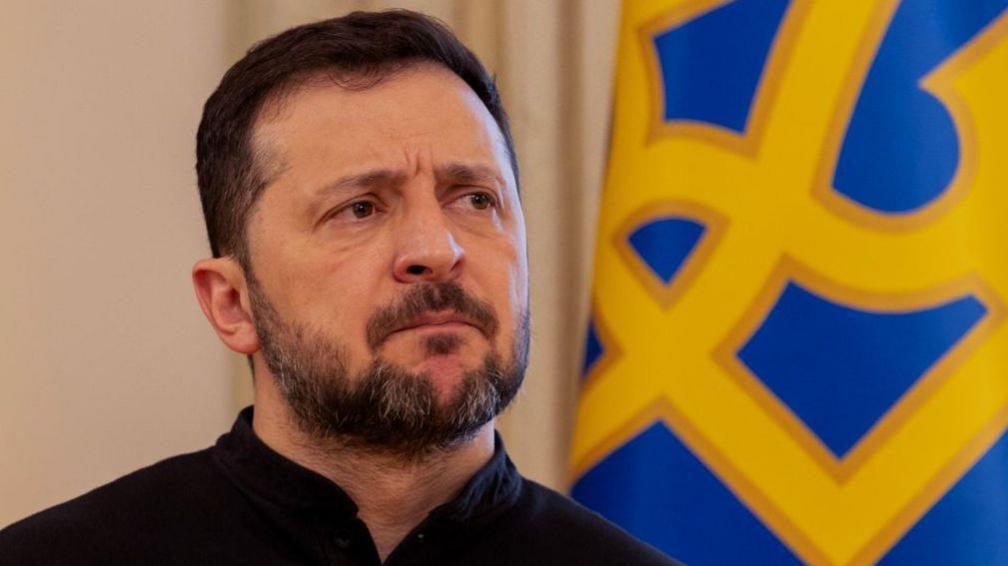
President Volodymyr Zelensky has formally instructed all airlines, insurers and passengers to avoid Russian airspace, labeling it increasingly unsafe due to escalated drone strikes. Russian President Vladimir Putin dismissed the warning as a “state‑terrorism declaration,” while commercial carriers such as Qatar Airways and Pegasus airlines say they are closely monitoring the situation. Ukraine’s continued air defence campaigns and deep‑targeted drone assaults threaten to disrupt air traffic across Europe and make flights over Russia a risky proposition for airlines and travelers alike.
Ukraine’s president has warned airlines that Russian airspace is becoming “completely dangerous” and essentially closed as drone attacks ramp up across Russian territory. The warning followed Ukraine’s formal notification to the United Nations about the risks to civilian aviation.
Russian President Vladimir Putin called the remarks a “declaration of state terrorism,” but the Ukrainian government insists that civilian aircraft remain safe – the threat is now the proliferation of drones that could interfere with flight paths. The warning particularly targets carriers flying to key Russian airports, such as St Petersburg and Moscow.
Flight operators are taking heed. Qatar Airways said its flight planning is guided by continuous monitoring of air‑space security and geopolitical developments, while Turkish low‑cost Pegasus Airlines temporarily cancelled flights to Russia before resuming them. FlyDubai noted that it would adjust routes as necessary.
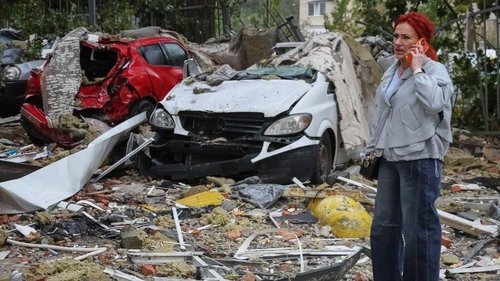
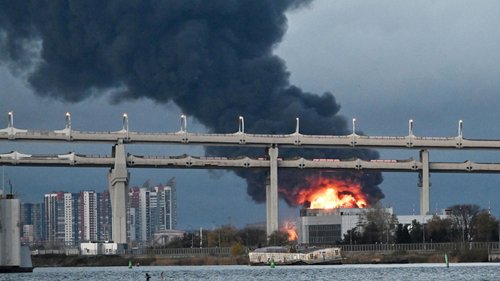
Ukraine’s drone and missile campaigns have already forced the closure of Russia’s largest airports, causing delayed departures and arrivals, and increasing the risk of aviation incidents. Aviation risk advisory firm Osprey Flight Solutions has alerted that the possibility of further deep‑inside‑Russia strikes remains high this year.
As the conflict escalates, the international community is forced to reassess its routes, with airlines from China, Turkey and Gulf states maintaining routes over Russian airspace for the sake of efficiency. The ongoing tension poses a unique aviation safety challenge, reminiscent of the 2014 MH17 tragedy, and underscores the importance of continual risk assessment amid war conditions.