In brief
Over 225,000 Icelanders cast ballots in a national referendum that asked whether the country should resume EU accession negotiations. 52.8% answered No, rejecting a return to talks that were halted 13 years earlier. The vote, held amidst high turnout and a clear regional divide, highlighted concerns over fishing rights and sovereign control. Prime Minister Kristrún Frostadóttir and the centre‑left government pledge not to revisit the issue while in power, but the result will likely reassure eurosceptic voices across Europe and raise questions about Iceland’s defence strategy amid Arctic tensions.
Iceland votes against restarting EU membership talks
In a narrow 52.8% to 47.2% split, more than 225,000 voters rejected the government’s proposal to resume negotiations for joining the European Union. The referendum, held on Saturday, saw the highest turnout since 2009 with 82.5% of eligible voters casting a ballot.
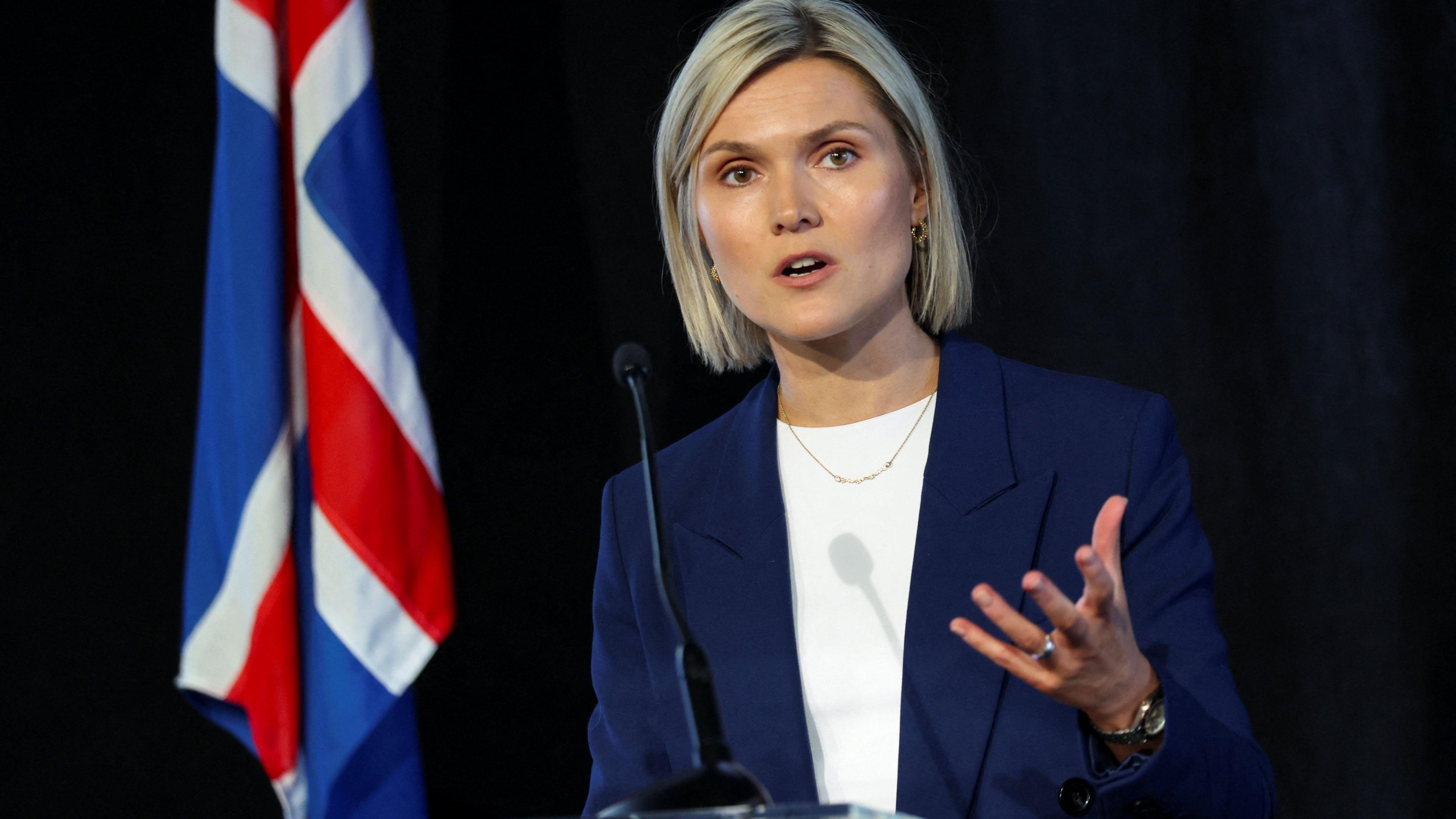
Prime Minister Kristrún Frostadóttir announced that the matter would not be revisited while her centre‑left coalition stayed in office. The vote reflected deep concerns over fishing rights – a key economic sector valued at nearly 40% of exports – and fears that EU rules would dilute Icelandic sovereignty. Rural areas leaned strongly against accession, while residents of Reykjavík largely supported it.
While the ‘Yes’ camp framed participation as a step toward fuller EU integration, the ‘No’ vote emphasised maintaining independence and control over maritime resources. The outcome also raised questions about Iceland’s defence posture. Although a NATO founder member, Iceland lacks a standing army, relying on allies for security. Joining the EU would have granted access to the bloc’s joint defence infrastructure, an aspect overlooked amid the national debate.
Security experts argue that the decision limits Iceland’s influence in shaping EU Arctic policy and possible cooperation on maritime security, especially following heightened Russian presence near the island. Calls are now growing for the government to strengthen defence ties worldwide, with Foreign Minister Katrín Gunnarsdóttir pledging outreach after the vote.
International reactions ranged from applause for the independence stance to disappointment at a missed opportunity for closer ties. Some EU voices described the result as a setback for Brussels, underscoring the intractable issue of fisheries and national identity that shaped the vote.
The referendum’s aftermath will keep Iceland on the international map as a nation strongly protective of its maritime claims while engaging in ongoing discussions about defence and global diplomacy.