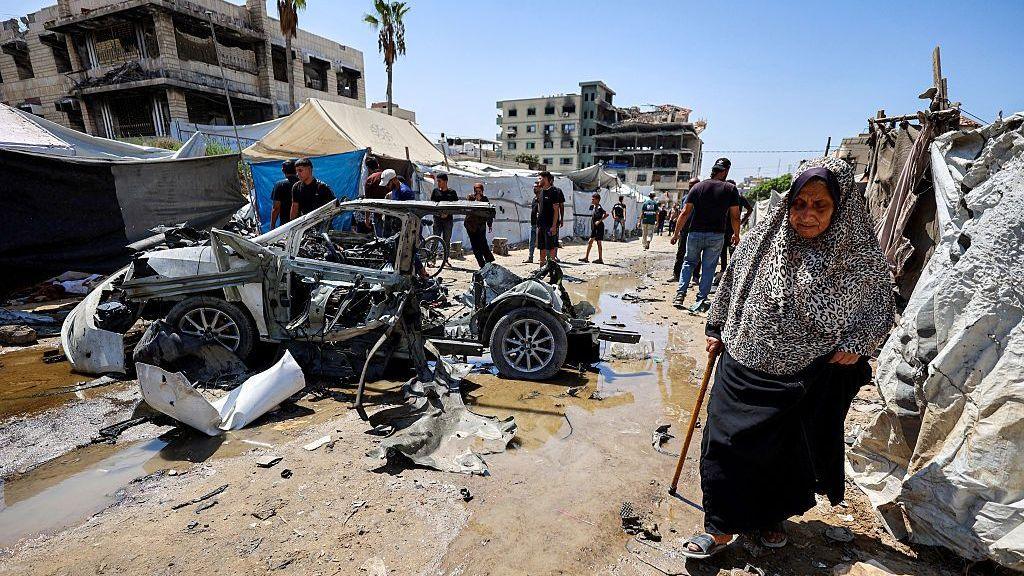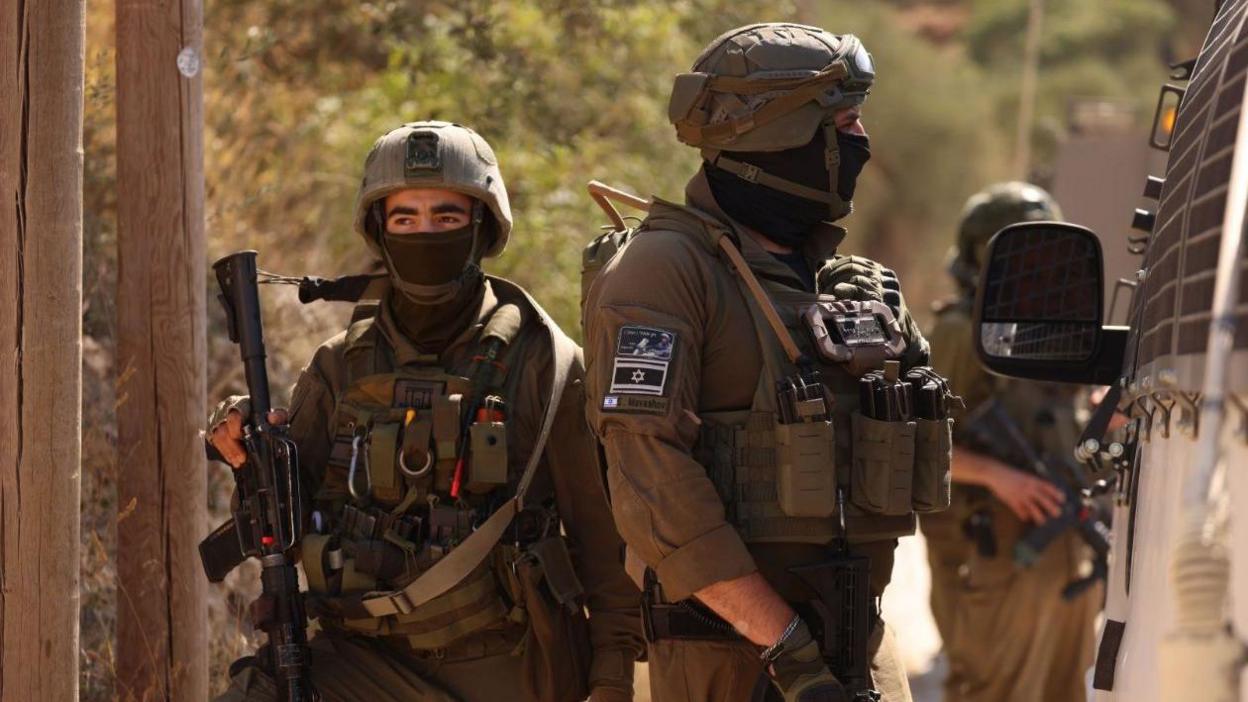
An Israeli soldier patrols near the West Bank village of Qusra, a site that has recently seen a heightened clash between Israeli settlers and Palestinian families.
According to the Israeli army, additional military units will be deployed to the area following a de facto blockade by settlers. The move comes after the Abu Ridi and Hassan families—who live on Qusra’s outskirts—faced water and power cuts and ran out of food supplies.
In mid‑day footage posted by local media, a line of Israeli security forces, including a bulldozer, advanced toward the village. However, a larger crowd of settlers confronted the troops, leading to a violent standoff that involved tear gas and stun grenades. The Israeli forces ultimately failed to force the settlers to retreat.
The UN’s 2026 human‑rights data indicates that 76 Palestinians, including 18 children, have been killed on the West Bank this year, with three Israelis also reported dead in related clashes. Over 6,390 Palestinians have been displaced from 127 communities since January 2023.
Speaking at the UN, Israel’s ambassador, Danny Danon, dismissed settlement expansion as an obstacle to peace, arguing that Jerusalem and its biblical rights justify a permanent Israeli presence in the area.
For a broader view of the region’s geography, the map below highlights Qusra’s position relative to nearby settlements and Palestinian communities.
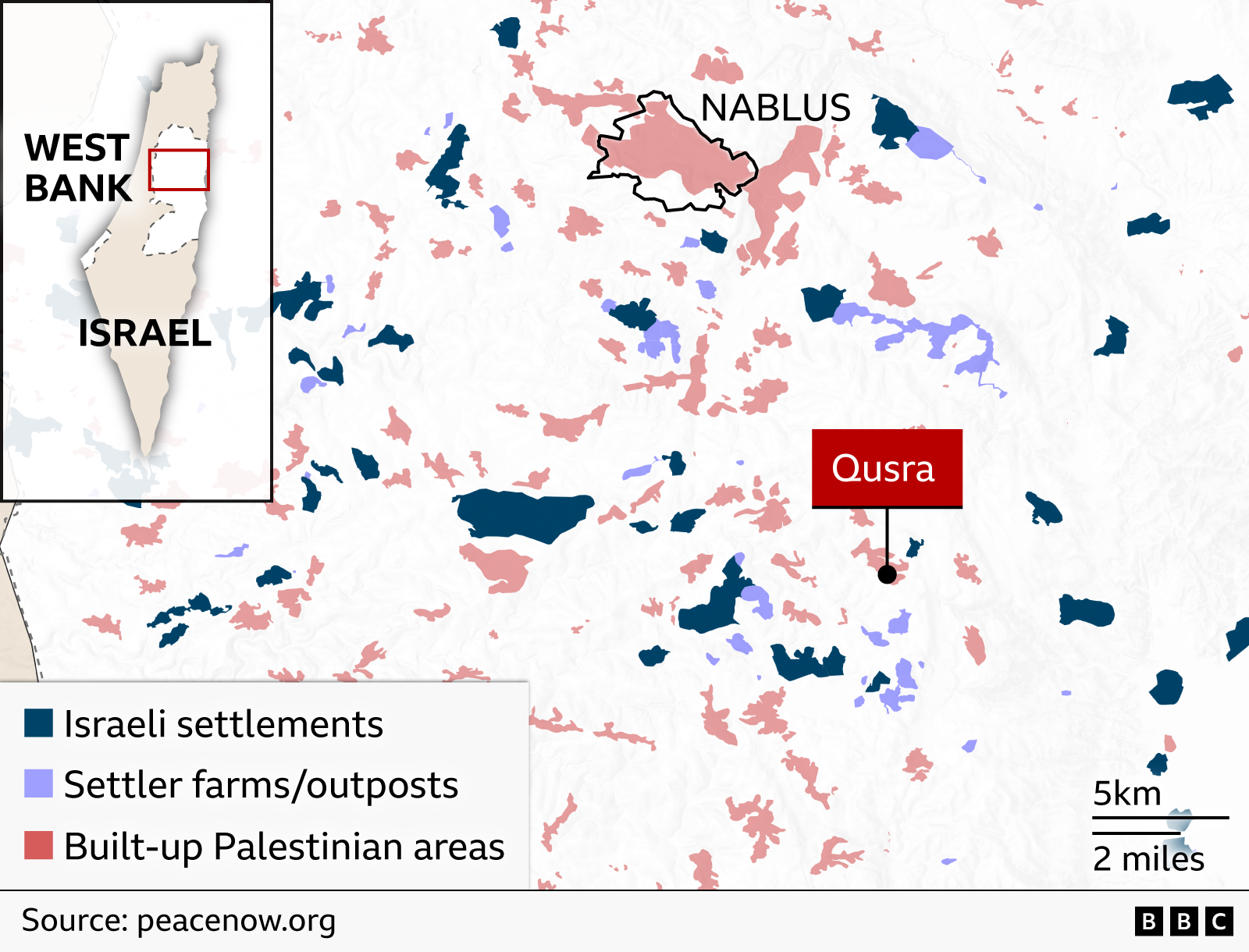
The settlement of Qusra, nestled within a network of Israeli outposts, has experienced a series of targeted attacks. In July, settlers blocked a Palestinian home in nearby Jalud for over two weeks, after which occupants fled and the property was seized. Earlier, the New mosque in Qusra was set on fire, with Hebrew graffiti marking the scene.
These incidents underline an ongoing pattern of settler aggression that drives displacement and sparks international condemnation. Israeli military reports reflect a stance that settlement sites are lawful, even as global criticism over violations of international law intensifies.