In brief
Fatima, a mother from Zamfara, recounts the midnight assault in her village that left her husband and six relatives dead. The attack, carried out by motorcycle‑borne bandits, is part of a wider surge in kidnappings that has displaced upwards of 800,000 Nigerians. In exile, she describes crowded camps, scarce food and the shaky protection offered by government‑backed vigilantes. The broader picture highlights how bandit violence, often led by Fulani groups, is spreading beyond northern Nigeria into the south‑west, threatening schools, towns and basic civil order.
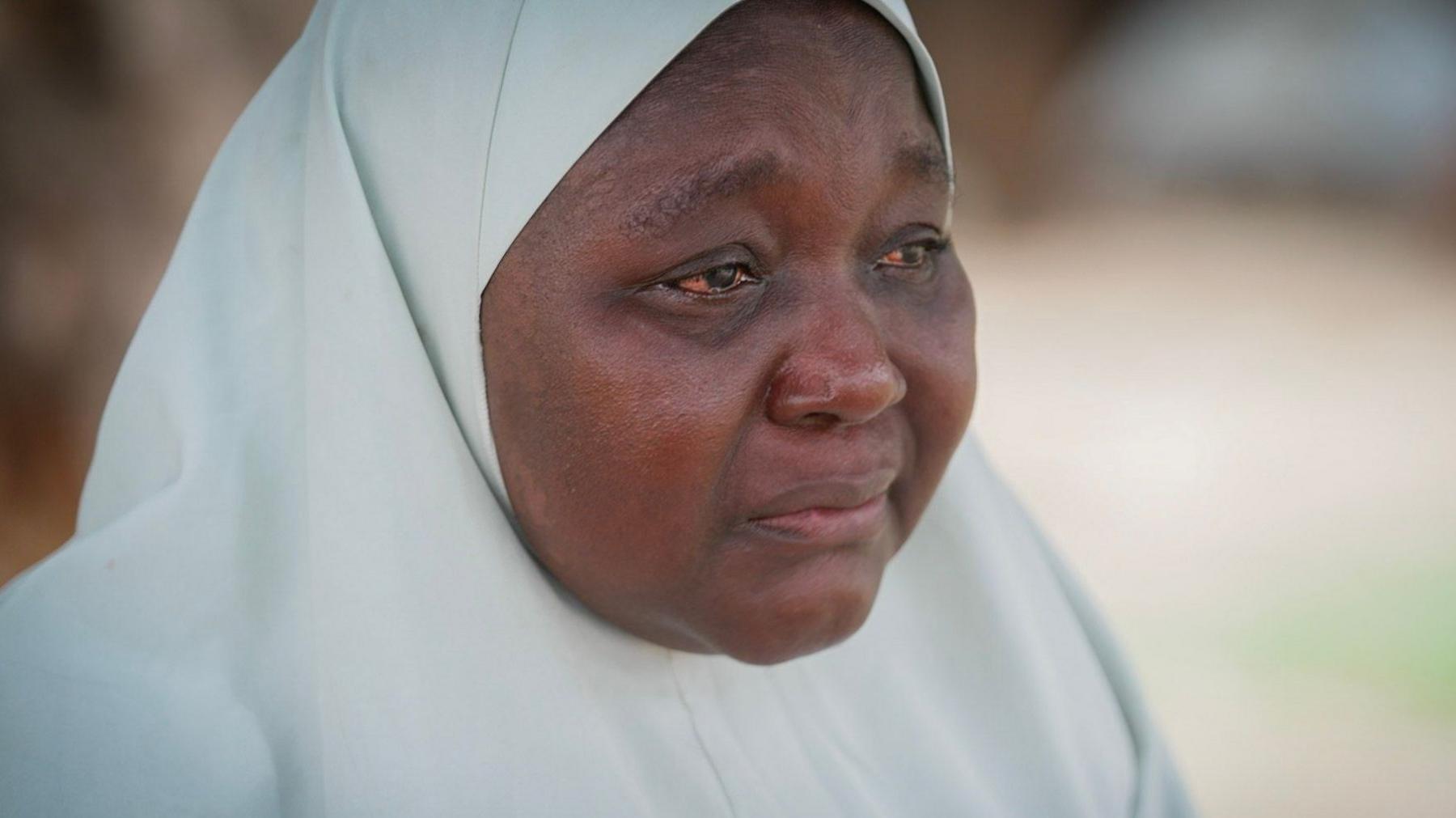
In the dark ten‑second minute, gunfire shattered the quiet of Zamfara’s Bia Buki village. “If you ran into a room, they set the room on fire. If you came out and started running, they shot you,” Fatima says, her voice trembling with the memory of her husband’s last ditch attempts to survive a raid that took his life and the lives of six of his siblings.
The bandits split into three groups—at the village entrance, in the centre and at the back—ensuring that no escape route remained. Photographs of the raid capture black‑and‑white bloodstains on mop‑tiles, a sign that the attackers were ruthless and indifferent to the cost of collateral lives. Reports count about 70 people, including children, killed that night, a new wave in an area that already witnessed fatal attacks hundreds of times.
The terror quickly transformed a once safe community into a refugee camp. Fatima now shelters in a makeshift compound in Gusau along with her seven children. Women hold brightly‑coloured hijabs, clutching crude supplies found through trysts with the genuinely “good Samaritans” who bring rice or potatoes. Schools stay shut, farmers are prevented from harvesting and the skeleton crew of police and army patrols are stretched thin across the country’s four regions.
Most of the gunmen are Fulani, formerly traders of cattle who now prefer kidnapping and extortion as a quicker, cleaner path to profit. Official data show a 78% jump in bandit incidents in the first half of 2026 for north‑western Nigeria, while kidnappings nationwide have doubled. In response, the government has set up armed vigilante groups, but critics warn these forces risk backfiring: if citizens arm themselves, how can the state control them after crisis?
The world’s articulate voices on this crisis hear the same repeated plea from Fatima and many others: stronger security presence, regular patrols and the eventual restoration of peace in the villages. Until then, the canvas of Nigeria’s violence remains a patchwork of fear, displacement and a continual fight for the right to simply run free.