In brief
The Hamas‑run Ministry of Health reports that over 900 Palestinians have died in Israeli strikes this year, taking the total since the October 10 ceasefire to more than 1,300, including 301 children. The ceasefire, agreed in a US‑driven 20‑point plan, was meant to suspend all military operations but analysts have documented dozens of attacks on civilian targets—including a beachfront café, tents for displaced people and a funeral procession. UN experts confirm the figures and highlight a persistent pattern of civilian casualties, while Israel’s Defence Forces dispute that all deaths were caused by its operations. UNICEF alone reports over 300 child deaths, underlining the catastrophic humanitarian impact of the ongoing violence.
More than 900 Palestinians have been killed in Gaza this year, despite the ceasefire announced on 10 October, according to the Hamas‑run Ministry of Health. The ministry says the total number of deaths since the truce now exceeds 1,300, including 301 children.
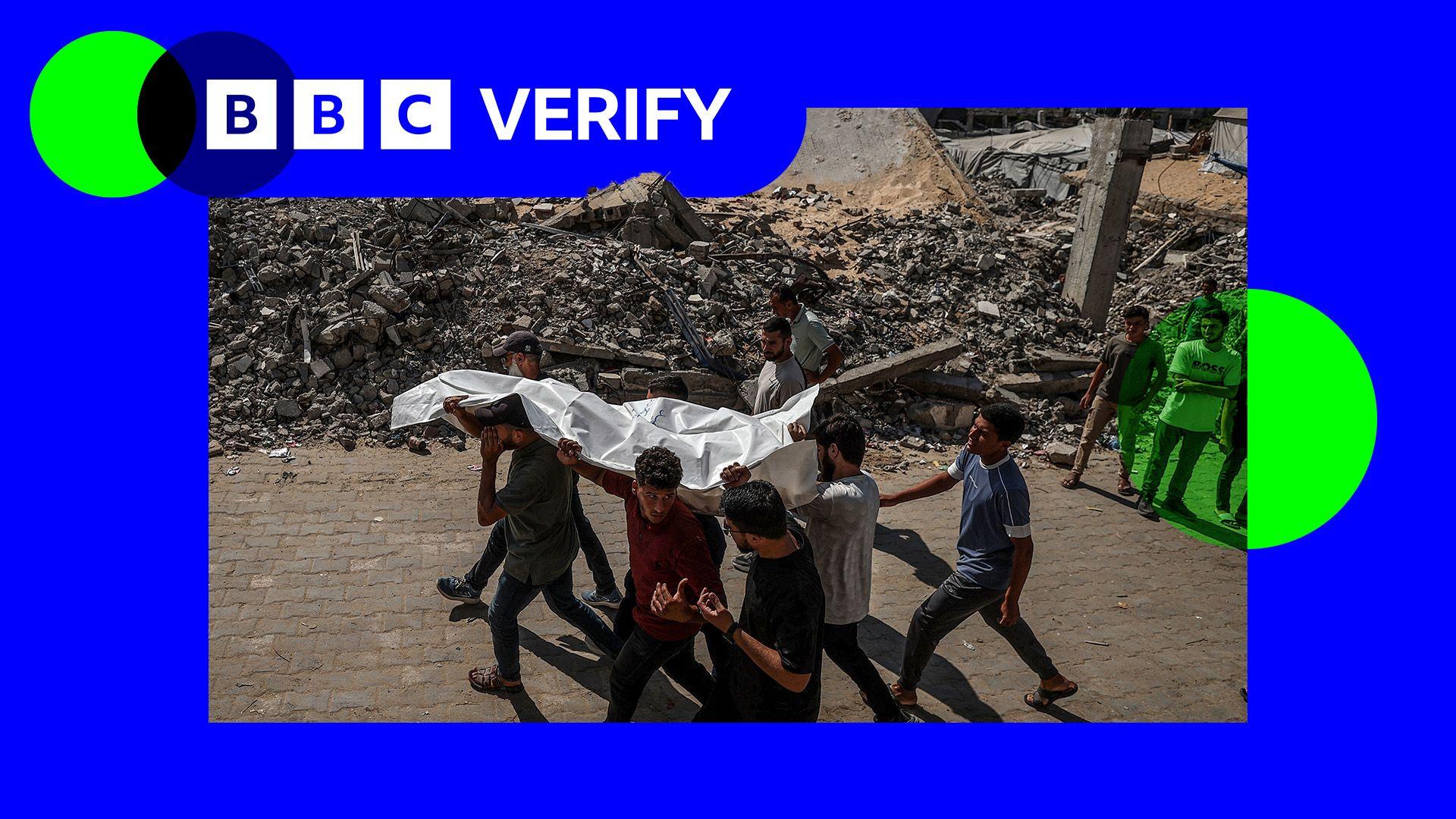
The ceasefire was part of a 20‑point plan proposed by US President Donald Trump, which called for the suspension of "all military operations, including aerial and artillery bombardment." However, BBC Verify has analysed dozens of videos showing attacks on civilian sites such as a beachside café, shelters for displaced residents, and a funeral procession in central Gaza.
Recent months have been exceedingly deadly, with over 100 people killed each month from April to August. July alone recorded 152 casualties, 21 of them children.
UN experts consider the ministry’s figures reliable, and independent research groups confirm the numbers. The UN, UNEP, and other humanitarian agencies confirm frequent civilian injuries and highlight a rise in child deaths, which exceed 300 since the ceasefire.
Israel’s Defence Forces (IDF) disputes that all deaths were caused by its operations, stating "there is no basis to assume" that the casualties are due to IDF activity. The IDF emphasizes it operates precisely to neutralise threats and minimise civilian harm "to the greatest extent possible," and claims it has killed only five of its soldiers and one contractor since the ceasefire.
Conflict monitoring groups indicate about 200 Israeli strikes occurred during the ceasefire, targeting Hamas operatives and other militants. Those strikes include attacks on former commanders involved in the October 7 assault on Israel.
UNICEF reports over 300 children killed, with hundreds more injured, describing the child deaths as "absurd and devastating." It also reports that IMF workers and water truck drivers contracted by UNICEF have been killed by Israeli fire since the ceasefire.
Former Royal Holloway professor Michael Spagat notes that monthly death tolls have roughly doubled since April, with July being the worst month. He states the figures published by the health ministry are "testable," as they include names, ages and ID numbers of the deceased.