Secret Service Shell Game: How U.S. Presidents Hide in Plain Sight
On 8 July, U.S. President Donald Trump boarded Air Force One in view of live television cameras as he departed the Nato summit in Turkey.
When the Boeing aircraft left Ankara, the president was already quietly transferred—via a catering truck—to a military version of the Boeing 757, the C‑32A. This aircraft then flew the president to RAF Mildenhall in the UK.
Those left on air force One were unaware that Trump had moved. Such deception is routine in presidential protection.
“That’s very common,” said Ronald Kessler, an author familiar with the agency. “There’s a long history of strategies to keep the president safe from potential harm.”
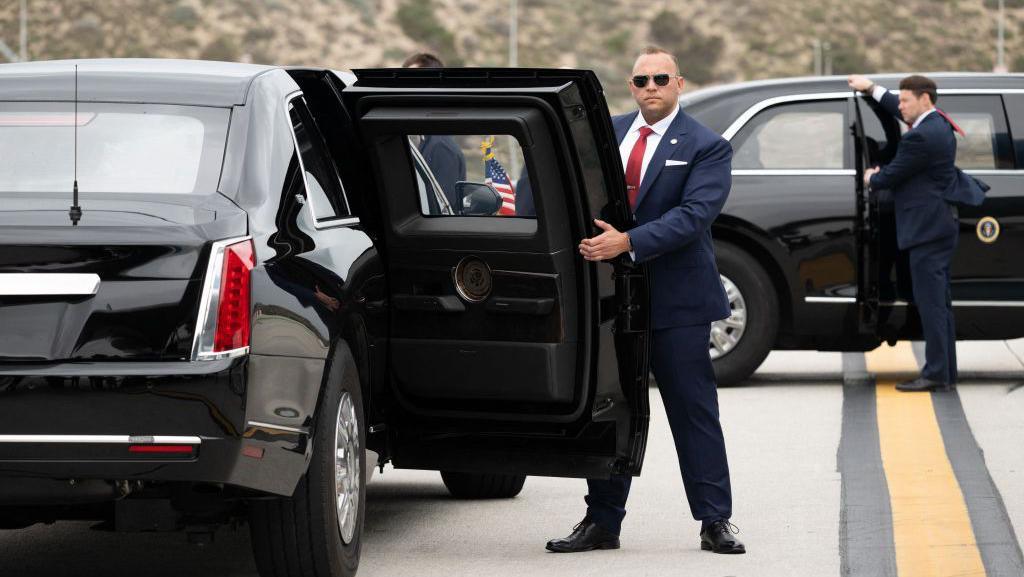
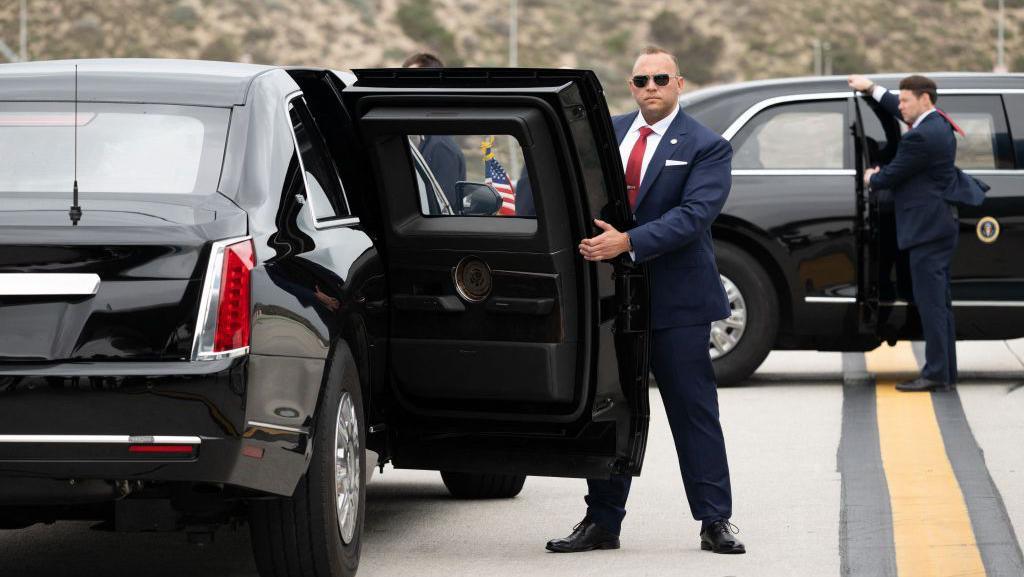
Former Secret Service agent Robert McDonald explained that motorcades routinely feature two “Beasts”: the presidential vehicle and a decoy that switches positions en route. In Washington, the two limousines can swap places under a highway overpass, confusing potential threats.
Marine One, the president’s helicopter, follows a similar pattern, flying in groups of three and changing positions to obscure which is carrying the leader.
Paul Eckloff, a former agent, remarked that these elaborate swaps take place only when the threat level is higher than average, typically on overseas trips.
The operation that moved Trump from Air Force One—likely triggered by intelligence indicating a serious threat in Turkey—was swift. McDonald said the White House, the Secret Service, and the Military Office were convened to discuss the intelligence and deploy the plan.
CIA veteran Marc Polymeropoulos noted that the seriousness of the threat likely prompted the secretive switch, underscoring the delicate balance between transparency and security.
Journalists aboard Air Force One were repeatedly asked to keep blinds down, a practice that further protects the aircraft’s identity from outside observers.
McDonald emphasized that the Secret Service is not legally bound to publicize the threat or detail protective measures. The decision to disclose rests with the White House or other agencies.
In all, the secretive relocation of a sitting president demonstrates the complex choreography of secrecy and defense that keeps the U.S. leader safe.