In brief
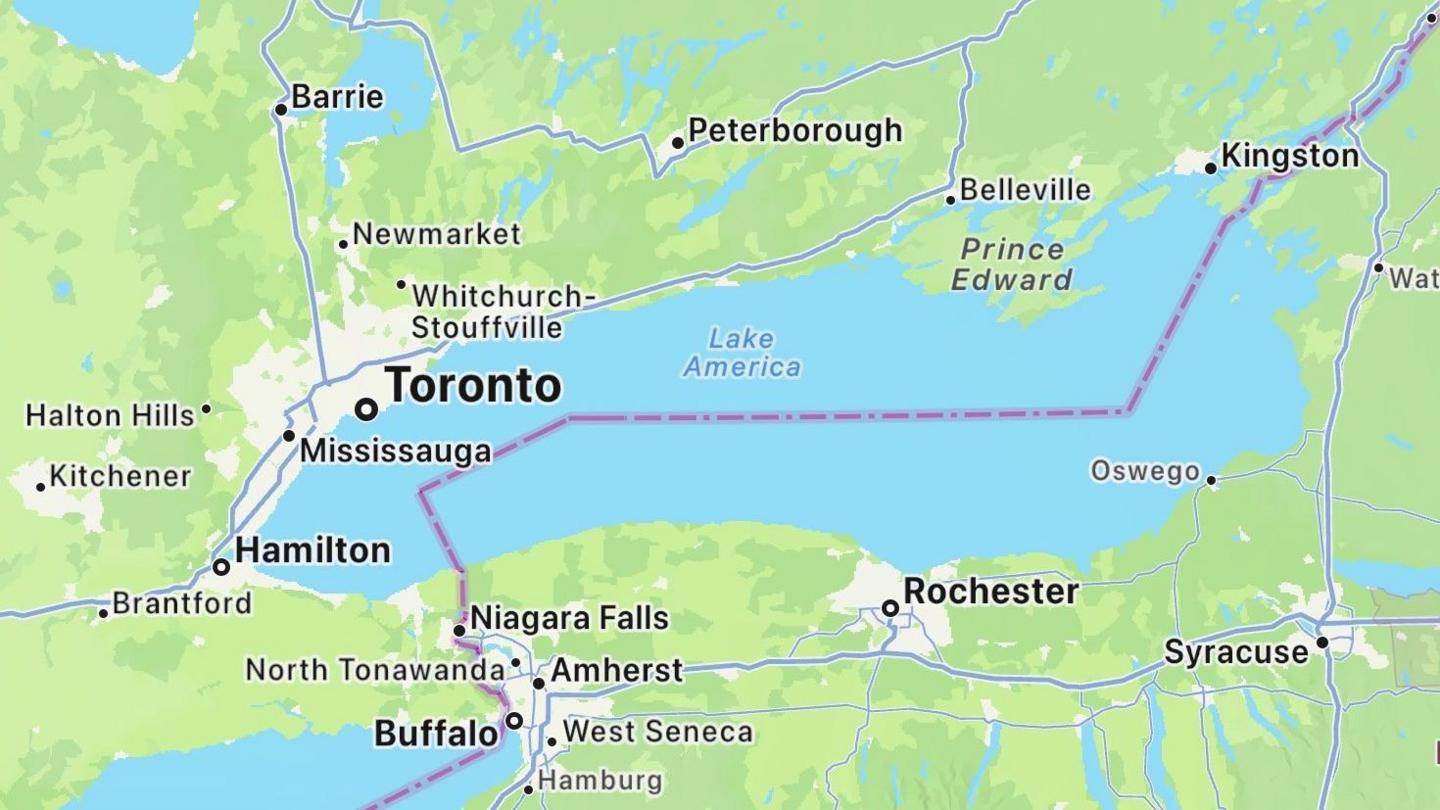
Apple Maps has updated its U.S. navigation to call Lake Ontario “Lake America,” echoing a diplomatic conflict that saw Washington impose a 50% tariff on $20 billion of Canadian goods. The rename applies only to American users, while Canadian residents and other services keep the original name. Google and other map providers have followed suit, sparking debate over geographic naming rights and digital cartography. Canada’s government counters with equal retaliatory tariffs, and the Governor of Ontario has placed a “Lake Ontario – Now and Always” sign at the lake’s southern shore. The renaming illustrates how technology platforms can become frontline actors in international disputes.
Apple Maps has applied President Donald Trump’s executive order by renaming the easternmost of the Great Lakes, Lake Ontario, to “Lake America” for users on U.S.‑based devices. The change is reflected only in the U.S. version of the app; Canadian users—including those on the lake’s shores and nearby cities—continue to see the original name.
The renaming follows Washington’s 50 % tariff on $20 billion of Canadian goods, a move that sparked a broader trade war. Canada has vowed “dollar‑for‑dollar” counter‑tariffs and called the U.S. demands “unacceptable.” In response, Apple and Google have updated their maps under the remit of the U.S. Department of the Interior’s Geographic Names Information Service, which must record name changes within 30 days.
Google’s shift preceded Apple’s; the two major tech firms now display “Lake America” to U.S. users while preserving “Lake Ontario” for Canadians and global viewers. Critics note that such unilateral name changes are more than marketing whim—concerning geographic correctness and cross‑border relations.
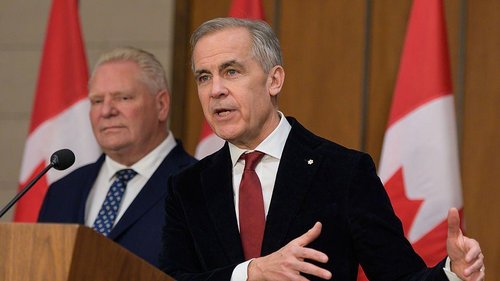
Across the lake, Ontario Premier Doug Ford has installed a new sign declaring “Lake Ontario. Now and Always,” a symbolic reminder of the lake’s heritage amid political pressure. Meanwhile, the U.S. president has circulated AI‑generated videos showing the renaming in action, reinforcing the message that the name change is both official and permanent for the United States.
This incident is part of a trend in which tech giants use mapping services to reflect or challenge governmental policies. In 2025, Google and Apple renamed the Gulf of Mexico to the Gulf of America for U.S. users after a similar executive order. The practice raises questions about the role of digital platforms in geopolitical disputes and underscores the power each holds over information that millions of users consume daily.