In brief
Piracy around Somali waters has surged, with 13 hijackings this year and two vessels seized in the last week alone. The rise comes as naval forces focus on the Strait of Hormuz and Bab-el-Mandeb amid the US‑Iran standoff, creating a security vacuum. A recent attack on the MV Lutuf—allegedly carrying Turkish weapons—triggered drone strikes and drew Turkish warships to the area. Experts warn that without global action, piracy could intensify, threatening vital trade routes.
Somalia’s growing piracy threat amid regional conflict
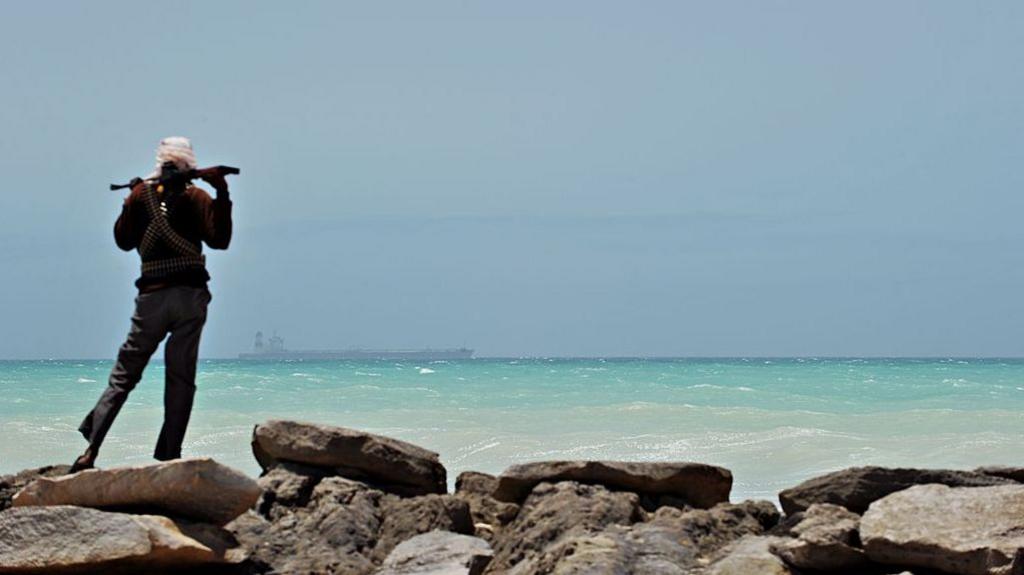
A surge in pirate attacks near Somalia has pushed shipping insecurity to an unprecedented level this year. Within the last four days, two cargo vessels were seized in the Gulf of Aden, taking the total attacks to 13 for the year, a big rise compared to the decade‑long lull that followed earlier coordinated anti‑piracy navies.
The uptick coincides with a renewed focus on the Straits of Hormuz by naval forces as the United States and Iran wage an escalating proxy war. The blockade imposed by Yemen’s Houthi rebels in the Bab‑el‑Mandeb Strait, a key choke point for trade to the Red Sea, has also stretched protective resources thin, allowing pirates to see an opportunity to strike.
One highlighted incident involved the MV Lutuf, a Cameroon‑flagged ship hijacked on 17 August off Puntland. Local officials alleged the vessel carried Turkish weapons and satellite equipment destined for a Somali port, prompting what witnesses describe as two drone strikes that killed 13 alleged crew members connected to the pirate networks.
Only three days later pirates boarded the Eritrean‑flagged MT Sibu 1 near Yemen, raising suspicions that pirate groups may be coordinating across borders. While no source officially confirms involvement, Turkish warships have been reported on the scene, with the Somali government citing Turkish support under a defensive partnership agreement. Turkey’s defence ministry denies use of drones but acknowledges contributing to security measures.
Experts warn that the systemic drivers fueling piracy—poverty, over‑fishing, and under‑policing—remain unaddressed. As the US‑Iran conflict continues and regional blockades persist, ships are diverting closer to the Somali coast in search of safer waters, inadvertently creating a more attractive target landscape for pirates.

The map shows the Gulf of Aden, Bab‑el‑Mandeb, the Red Sea and the Hind column showing the proximity of the US‑Iran conflict. At the bottom left, a small box highlights the key shipping routes for oil and the VGB.
The growing pattern suggests a strategic link between geopolitical disruptions and local piracy. Without a concerted international effort—naval patrols, protection of commercial vessels, and political resolution—the piracy threat may surge again, disrupting a critical juncture for global maritime trade.