In brief
Dan Driscoll, the youngest-ever US Army Secretary, tendered his resignation after nearly two years in office, following years of tension with Defence Secretary Pete Hegseth. The departure comes as part of a broader exodus of senior military leaders, including Navy chief John Phelan and Army Chief of Staff Randy George. Driscoll, known as Trump’s “drone guy”, played a key role in advancing the former president’s defense agenda, and his exit raises questions about leadership cohesion in Washington’s military portfolio. The Pentagon’s rapid reshuffling signals potential strategic realignments ahead of upcoming defense initiatives.
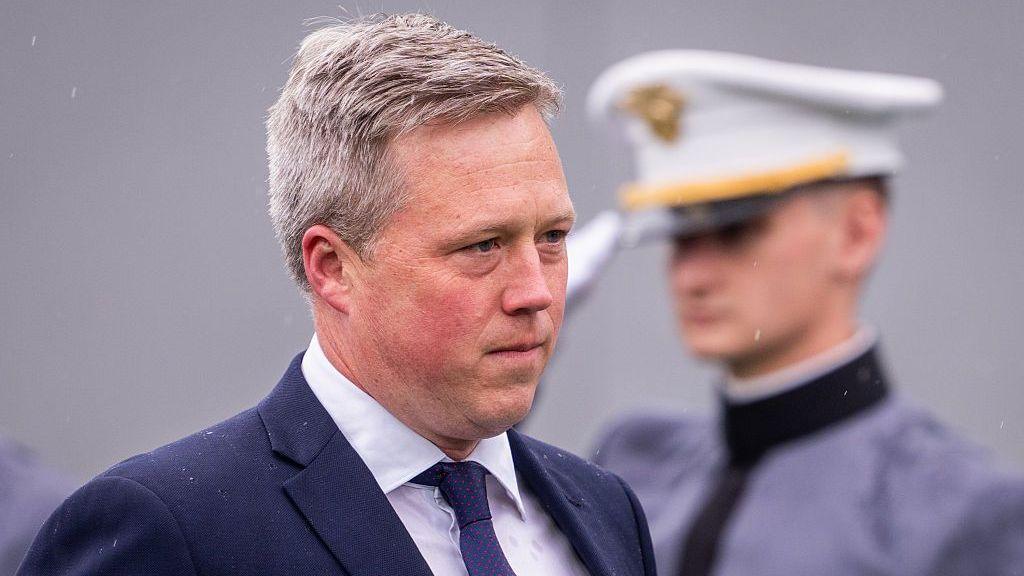
Dan Driscoll, the US Army’s 41‑year‑old Secretary, announced his resignation after almost two years in the role, reports CBS and the BBC’s US media partner.
The move follows an extended period of friction between Driscoll and Defence Secretary Pete Hegseth. Hegseth’s tenure has seen multiple senior officers fired, including the chief of naval operations and the Air Force vice‑chief of staff.
Driscoll, dubbed Trump’s “drone guy,” pushed forward the former president’s defence agenda and was a key voice in the White House’s strategy during the Russia‑Ukraine conflict. He also oversaw the deployment of the National Guard to U.S. cities and served as acting director of the Bureau of Alcohol, Tobacco, Firearms and Explosives.
This resignation follows other recent exits: Navy Secretary John Phelan left abruptly in April, and Army Chief of Staff Randy George and other generals have stepped down. The pattern underscores a tense environment within the Pentagon’s civilian leadership cadre.
White House, Pentagon, and Army officials remain unresponsive to BBC inquiries. The full implications for US military policy and Trump’s legacy are unfolding as Washington grapples with these leadership changes.