In brief
Trump’s latest tariff threat targets Canada’s dairy industry, protecting farmers and keeping prices stable through a quota system that has long been politically powerful. The 50‑percent levy will hit a $20 billion trade value and sparks debate over food sovereignty versus market openness. Canadian politicians vow to defend the regime, while some economists argue that the system inflates food prices and hampers competition. Polling shows strong domestic support for the supply‑management model, despite calls for reform from industry lobbyists and academics.
The US President announced a 50% tariff on $20 billion worth of Canadian dairy goods, a move aimed at the country’s long‑standing supply‑management regime.
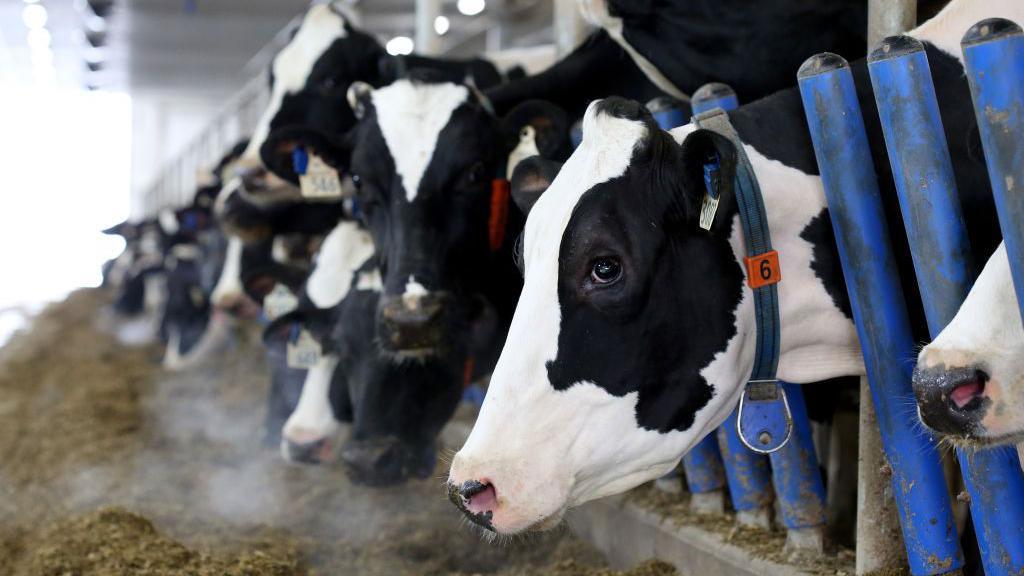
Canada’s dairy policy, which involves production quotas, price setting and import limits, is a cornerstone of its rural economy and is defended by both federal and provincial leaders.
Quebec Premier Christine Fréchette has called the system non‑negotiable, and Trade Minister Dominic LeBlanc said it “ensures Canadians have access to high‑quality dairy produced by Canadian farmers.”
American farmers, facing a surplus of domestic production, seek greater market access north of the border; they cite the tariff’s pedigree as a stumbling block.
David Clement of the Consumer Choice Center argued that the system “inflates the prices of household staples” and that “American farmers are treated unfairly by their northern neighbour.”
Critics suggest that removing supply management would reduce consumer costs and open Canada to new trading partners, though the transition could cost billions in compensation to farmers.
Recent data shows Canadians paid an average of C$3.19 per litre of milk in May, compared with C$1.95 in the United States; the tariff could widen this gap.
Despite calls for reform, a 77% poll shows Canadians support keeping the regime, citing protection of local farms and food sovereignty as key reasons.
As the tariff is set to take effect next month, Canadian policymakers face a dilemma: defend a politically powerful industry or risk a shift toward a more open, but potentially unstable, dairy market.