In brief
Aug 29, 2026 sees Iceland holding a narrow referendum over restarting EU accession talks held 13 years earlier. Opinion polls swing between 51.6% for No and a former Yes lead, making the outcome uncertain. The vote covers key issues of fishing rights, economic integration, and NATO security. A Yes vote would open a new chapter in shaping Iceland’s future but requires a second referendum and constitutional amendments. Neither camp threatens to end independence; the debate is largely about control over marine resources and aligning with European standards.
Iceland’s EU referendum: a close call over sovereignty and seas
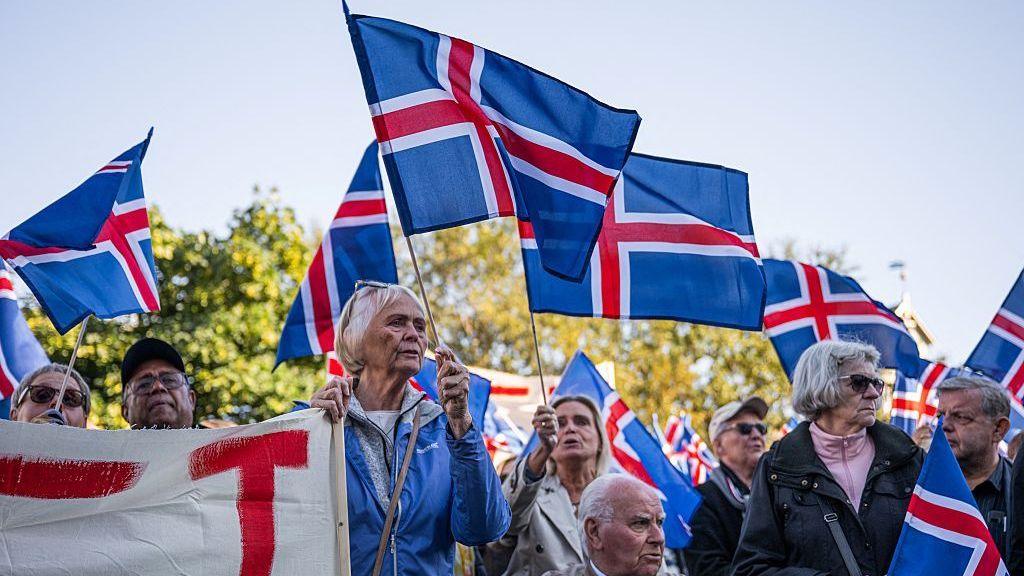
Icelanders turned out on August 27 for a snap vote on whether to revive talks under the European Union – a decision that has been in limbo for 13 years. With the nation’s population less than 400,000, every ballot counts, and early turnout already surpassed a fifth of voters.
The narrowness of the race is reflected in recent polls: a No‑campaign advantage of 51.6% sits just above the 50% threshold, while a counter‑poll earlier this month favored a Yes win. With results expected to be announced Sunday morning, the entire island is now waiting.
The referendum question reads: "Should Iceland resume accession negotiations with the European Union?" Although Iceland already participates in the EU’s single market and Schengen area through the European Economic Area, membership would entitle the country to the customs union and the euro, and could further integrate its economy with the continent, potentially easing high interest rates and inflation.
Key to the debate is fisheries. Iceland’s marine exports constitute nearly 40% of its trade, and the Common Fisheries Policy would transfer decision‑making on Icelandic waters to Brussels. The No campaign argues this could jeopardise Iceland’s control over its prized fishing grounds, while the Yes move, led at present by Prime Minister Kristrún Frostadóttir, proposes a “see‑what‑we‑can‑get” approach that seeks favourable terms.”
Security and NATO
Iceland lacks its own military but has a long-standing defence agreement with the United States and remains a NATO member. The No side stresses that EU membership would not replace NATO guarantees and that Iceland’s security rests on bilateral ties. Recent concerns over Russian naval activity and President Trump’s (mis)interest in Greenland add another layer to the security discourse.
The EU and Iceland signed a security and defence partnership earlier this year, though the partnership touches more on shared values than on concrete deterrence.
Campaign positions
- The Yes side, represented by Prime Minister Kristrún Frostadóttir, frames the vote as a risk‑reduction measure and stresses the already strong integration present.
- The No campaign, led by opposition Independence Party chair Guðrún Hafsteinsdóttir, positions the referendum as a question of sovereignty – the right to decide on fisheries and natural resources without Brussels dictate.
A televised debate on the night before the vote was impartial, lacking dramatic speeches, but the core message remains clear: the outcome will shape Iceland’s legal framework, economic intersection with Europe, and its control over maritime borders.
A Yes vote would not automatically grant EU membership; it would pave the way for another referendum and constitutional amendments. A No vote would leave open the possibility of future talks.