In brief
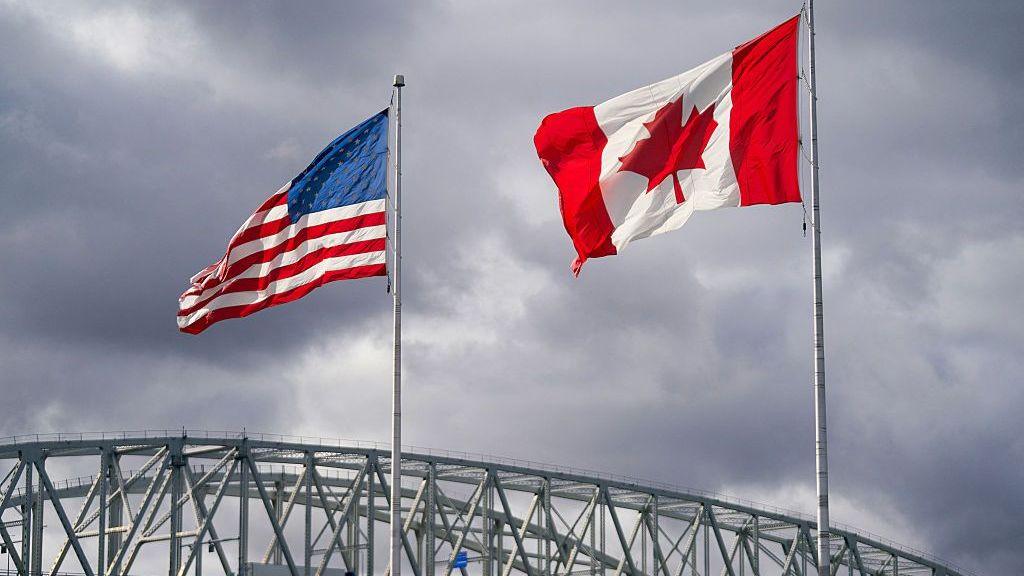
In a last‑minute move ahead of the 2026 midterms, Washington announced a partial repeal of 50% duties on certain Canadian goods such as plywood, paper and refrigeration units. The decision follows a plea from Senator Susan Collins, who positioned the relief as critical for Maine’s blueberry, potato, apple and seaweed growers. Canada, which had mirrored the tariffs dollar‑for‑dollar, welcomes the easing but continues to push for a broader trade deal. The move underscores the trade war’s lingering influence on U.S. domestic politics and the looming congressional power struggle.
The White House announced on Friday that it will lift half of the 50% duties it had imposed on Canadian goods starting 30 October. The measure covers items such as plywood sheets, selected paper products, refrigeration equipment and other machinery.
Senator Susan Collins, who is fighting for her seat in Maine, said the exemptions would directly benefit the state’s agriculture sector, which depends heavily on cross‑border trade for blueberries, potatoes, apples and seaweed. Collins has repeatedly urged senior Trump officials for tariff relief and says she will keep working with Washington to secure broader trade agreements with Canada.
Washington imposed the duties after talks collapsed in August, citing “unequal treatment” of U.S. car, dairy and alcohol exports. Canada has responded by matching the charges dollar‑for‑dollar and by asserting that the measures are necessary to protect Canadian workers.
White House spokesman Matthew Middleton described the action as part of President Trump’s continued effort to defend American workers and to ensure fair trade. The move carries political weight, coming less than two weeks before the midterm elections that will decide who controls Congress for the remainder of Trump’s term.
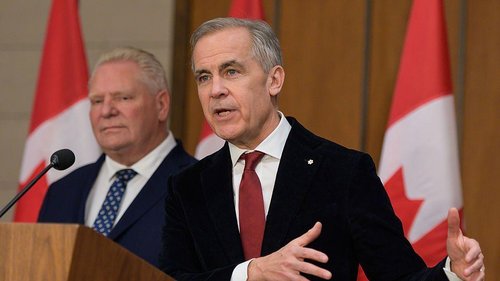
Throughout the standoff, Canadian officials, including Prime Minister Mark Carney and Trade Minister Dominic LeBlanc, have called for a constructive and mutually beneficial agreement, though they have warned that Canada may wait until a new administration is in place.
The trade dispute remains a key issue for border states such as Maine and Michigan, whose economies are closely linked to Canada. As the elections approach, both sides are under pressure to resolve the tariffs that have cost billions in trade volume.