In brief
The United States Congress has long been dominated by older legislators, a trend most famously represented by 88‑year‑old Hal Rogers, who is set to seek a 24th term in November. While seniority and historical tenure allow figures like Donald Trump, Joe Biden and Chuck Grassley to stay in office, the low proportion of under‑45 lawmakers raises questions about representation and legitimacy. Young candidates such as 27‑year‑old Riley Owen in Utah and activists like Zohran Mamdani in New York are trying to break the pattern, but they confront entrenched money dynamics, a narrow two‑party system, and a voter base that often distrusts younger leaders. Experts argue that age alone is a poor predictor of capability, suggesting that diversity across age, race, gender and other dimensions could strengthen democratic representativeness.
At the centre of America’s age‑heavy political landscape sits the 88‑year‑old Republican Hal Rogers, who will run for a 24th term in the U.S. House of Representatives this November. Rogers, who has represented Kentucky’s 5th congressional district since 1981, is the longest‑serving member of the House. His tenure illustrates a broader pattern: a handful of senior politicians—Donald Trump, Joe Biden, Nancy Pelosi and even 93‑year‑old Senator Chuck Grassley—continue to occupy high‑level roles well into their senior years.
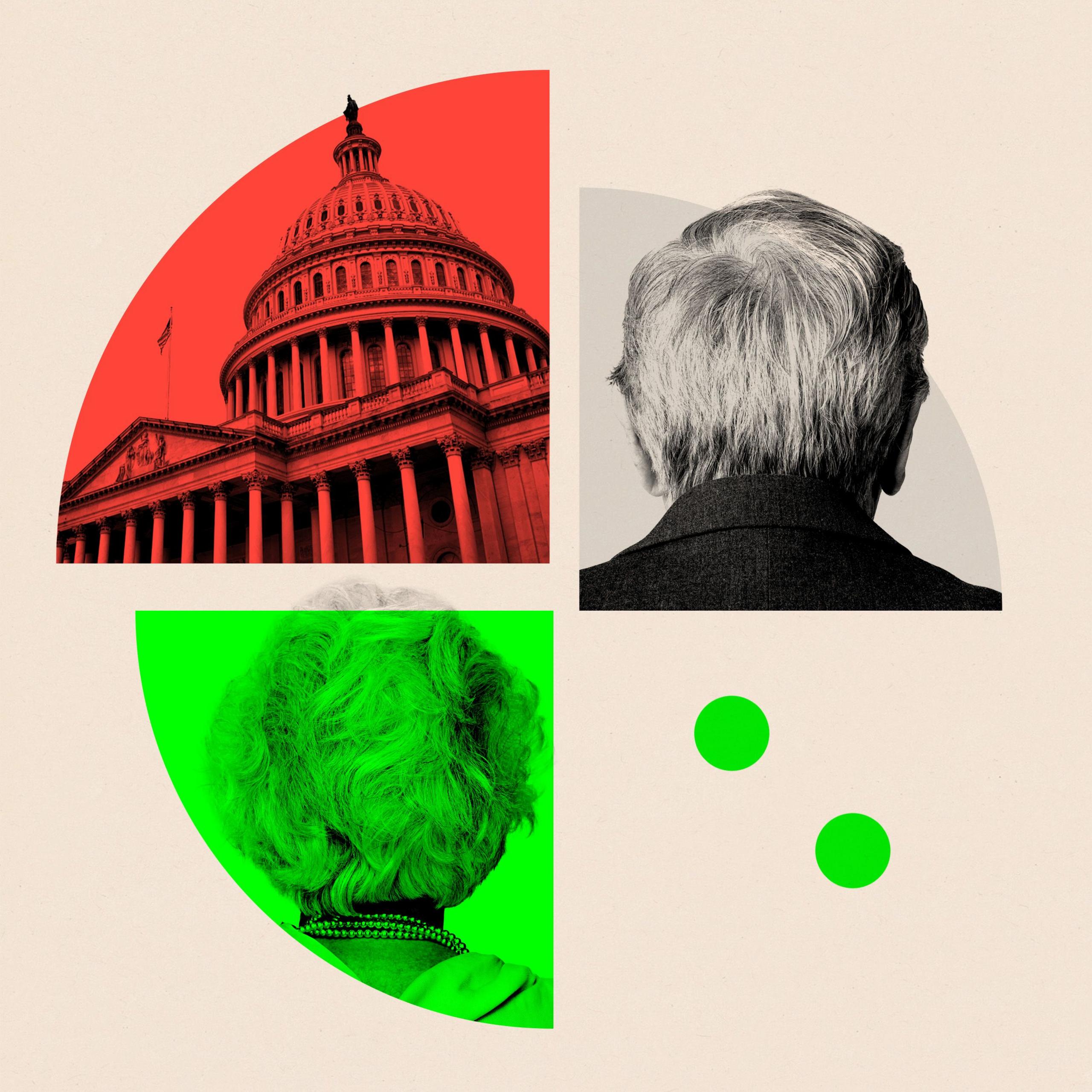
The term "gerontocracy" has been applied to the U.S. government, reflecting a polity whose leadership is disproportionately older than the population it represents. According to the Inter‑Parliamentary Union, the United States has one of the lowest proportions of lawmakers under 45 when compared with similar democracies. Meanwhile, the median age of Congress rose to 58 for the House and 65 for the Senate, well above the national median of 39.
Why are so few young people elected? The answer is multi‑layered. On one side, campaign finance heavily favours incumbents; new entrants must amass large war chests to compete, and the Republican candidate in Utah, 27‑year‑old Riley Owen, faces a $2.6 million competition from a 51‑year‑old incumbent. On the policy side, a two‑party system can stifle the platform changes that young voters demand, driving them to issue‑based movements that lack direct representation in Congress. Moreover, voters aged 18‑34 are significantly less engaged, with 62 % reporting a lack of trust in politicians, compared to 45 % of those over 50.
Young candidates highlight issues that resonate with a younger electorate—paid maternity leave, tech regulation, climate policy, and public‑sector mental‑health support. However, they often cite the financial hurdle and the “us versus them” narrative that overshadows substantive discourse. For example, Owen describes his platform as a bipartisan message that “Washington isn’t working for them all,” while Dem‑socialist candidate Zohran Mamdani shares the narrative that new ideas “cannot be crazy” when they challenge entrenched norms.
There is also an ongoing debate about whether age should be considered a competency indicator. Gerontology expert Tracey Gendron stresses that an 85‑year‑old with integrity can perform as well as a 45‑year‑old whose mental health is a concern. Instead of imposing age limits, critics suggest broadening representation along multiple lines—gender, race, sexuality and age—so that the electorate sees a more accurate reflection of themselves.
The current landscape positions heightened intergenerational tension. Yet stories of young leaders—some who hold seats, others who serve in supporting roles—illustrate that pathways exist, even if they are arduous. The 2026 midterm elections will test whether America can continue its gerontocratic tradition or finally open the doors to a more age‑diverse Congress.