In brief
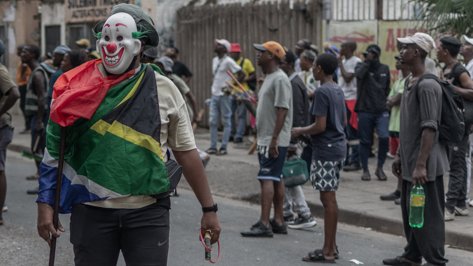
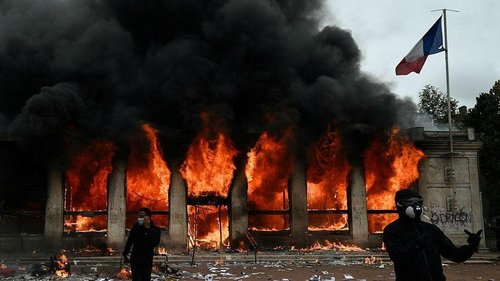
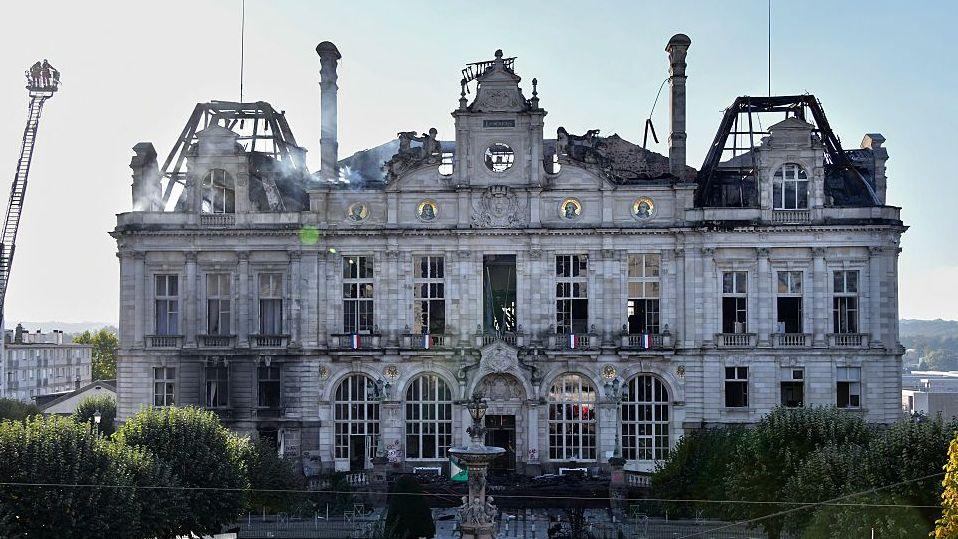
In late October, a blaze engulfed the wooden clock tower of Limoges' historic town hall, turning a protest epicentre into a scene of charred ruins. The incident sits at the heart of a broader wave of nationwide demonstrations that began over the state of schools and ballooned into a backlash against the cost of living. Mayor Guillaume Guérin, newly elected, mourned the loss while blaming radical‑left networks, as two suspects were arrested. Hundreds of protesters, mostly young, have since debated whether the destruction of a civic landmark is an acceptable form of dissent.
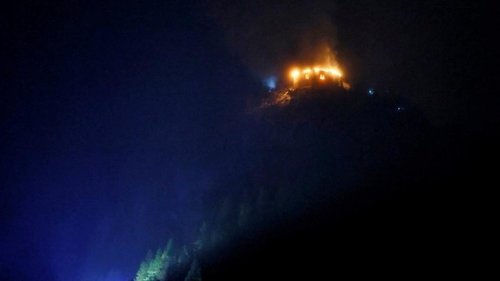
In a surreal tableau of flames and fury, the plain‑spoken protests of French citizens reached a chilling crescendo when the wooden clock tower of Limoges' 19th‑century city hall collapsed into a roaring fire on Saturday evening. The blaze, which could be seen from the surrounding streets, left the building’s façade a puff of smoke and char, its iconic silhouette shattered into ash.
Mayor Guillaume Guérin – whose mayoral tenure began only six months ago – stood beside the wreckage, tears staining his face as he recounted the event as a “historical tragedy for France.” He also accused a “hard‑left” crowd, allegedly supported by rioters, of orchestrating the assault, naming two suspects – a 66‑year‑old and a 34‑year‑old – with links to radical‑left networks.
Back home, Limoges has become a flashpoint of a national story. The protests that began as a demand for better schools have exploded into a pan‑France commentary on lives that are increasingly expensive, and the town hall’s destruction is now a symbol of what many see as the erosion of civic values. The town’s first‑hand experience closely mirrors the pain felt by ordinary citizens, many of whom have their own emotional connection to the building.
Locals weigh in in divided ways. A woman named Jade, a 19‑year‑old medical student, says the fire is a mournful reminder for the protesters but the financial strain in France overshadows it. An elderly fishmonger, Jean Roger Faucher, who had his wedding ceremony there, describes the event as altering the town’s shared memories and refuses to accept vandalism when lives can be endangered.
With 500,000 protestants walking out on the streets since the start of the movement, the mood in Limoges is one of anxiety and reaffirmation. As the country heads toward presidential elections in six months, the stoked fire has separated sympathizers and critics alike; Gros town mayor insists the event will influence the political debate, while activists claim it illustrates the depth of national discontent.
Police officials have imposed curfews and limited gatherings, yet the underlying tensions remain. The historical roots of industrial trade and the labour movement in Limoges make its present crisis a touchstone for collective memory, and whether the blaze will push the country back toward conversation or further confrontation remains uncertain.