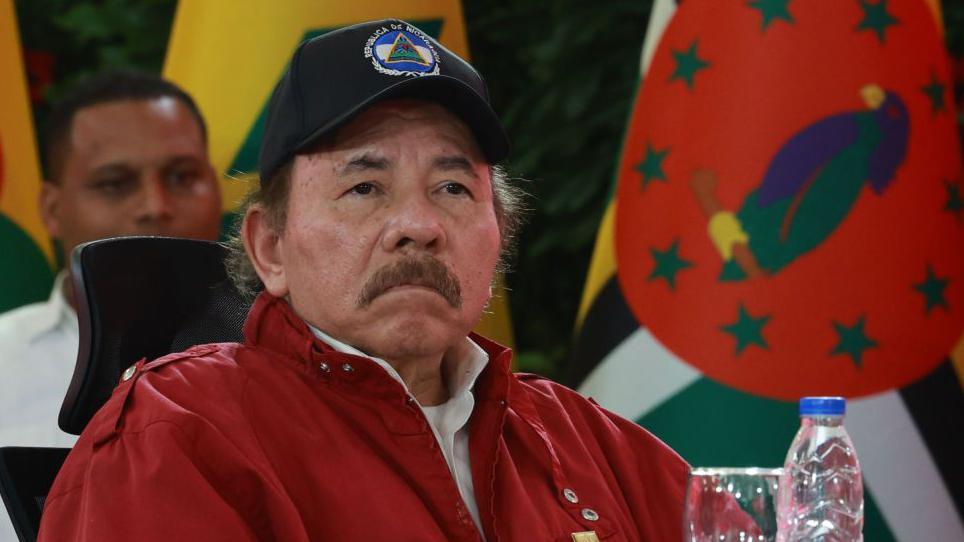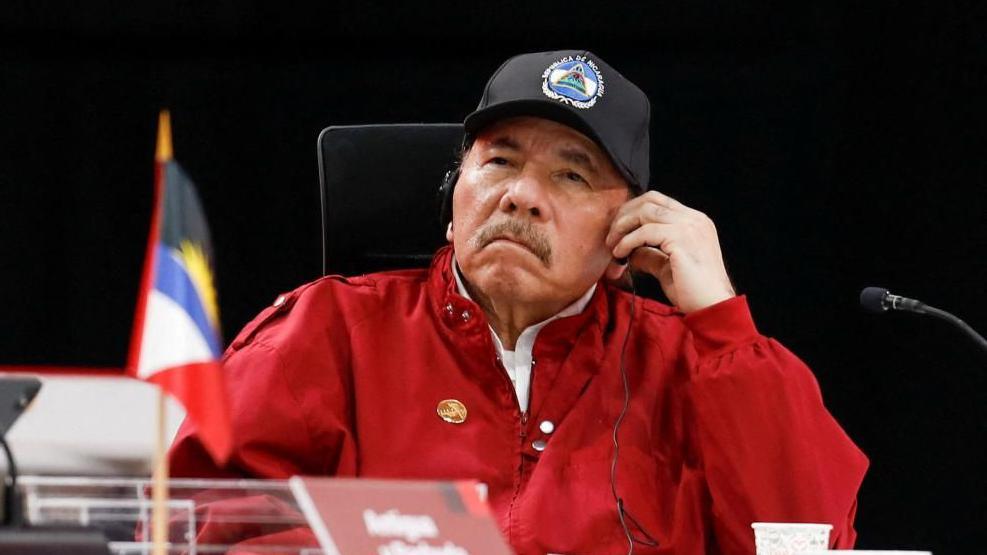
The National Assembly, controlled by the government, is debating a proposal to bar opposition parties from future elections. The move comes after President Daniel Ortega warned that "there will be no more elections for them to try to seize the government, to seize power." The specter of exclusion was sworn in at a speech marking the anniversary of the 1979 Sandinista revolution, in which Ortega declared that opposition groups were "financed by the US" and were "conspiring, trying to organise parties to win an election."
Ortega said laws would be passed to create a wall that would "block the coupmongers," even if they were "funded by the Yankees." The proposal was condemned by UN High Commissioner for Human Rights Volker Türk, who demanded that people of all political views be allowed to vote and run for office.
US Secretary of State Marco Rubio added that Ortega’s words exposed the "true authoritarian nature" of his rule and that Ortega and his wife, Rosario Murillo, have "abandoned even the pretense of popular consent."
The National Assembly’s head, Gustavo Porras, dismissed the criticism, noting that lawmakers are debating how "to not leave even a crack" for the opposition to establish a foothold. Congress will vote on the proposal in the first week of August.
Presidential elections were last held in November 2021, in a one‑sided contest that saw Ortega win after a brutal crackdown on the opposition. Many potential rivals were detained, barred from standing, or forced into exile, while only a handful of unremarkable candidates were permitted to contest. The 2025 constitutional reform, passed unanimously, extended the presidential term to six years and formally made Rosario Murillo "co‑president," paving the way for her to assume leadership if Ortega is permanently absent.
Opposition politicians in exile have warned that Ortega aims to turn Nicaragua into a one‑party state reminiscent of China, North Korea, and Cuba. Former opposition candidate Felix Maradiaga said the plan revealed Ortega’s fear of dissent, showing that "the desire for change is still alive and is still fighting for the country."