In brief
Apple of free‑speech in Hong Kong’s streets, the city’s independent bookshops once offered a haven for critical books and lively debates. Police raids, fueled by the National Security Law, have seized shelves and arrested owners, forcing closures across Mong Kok and Sham Shui Po. Young readers from Guangzhou, Shanghai and other parts of China keep traveling to the city in search of forbidden titles, while the atmosphere inside these shops gradually turns into a quieter act of resistance.
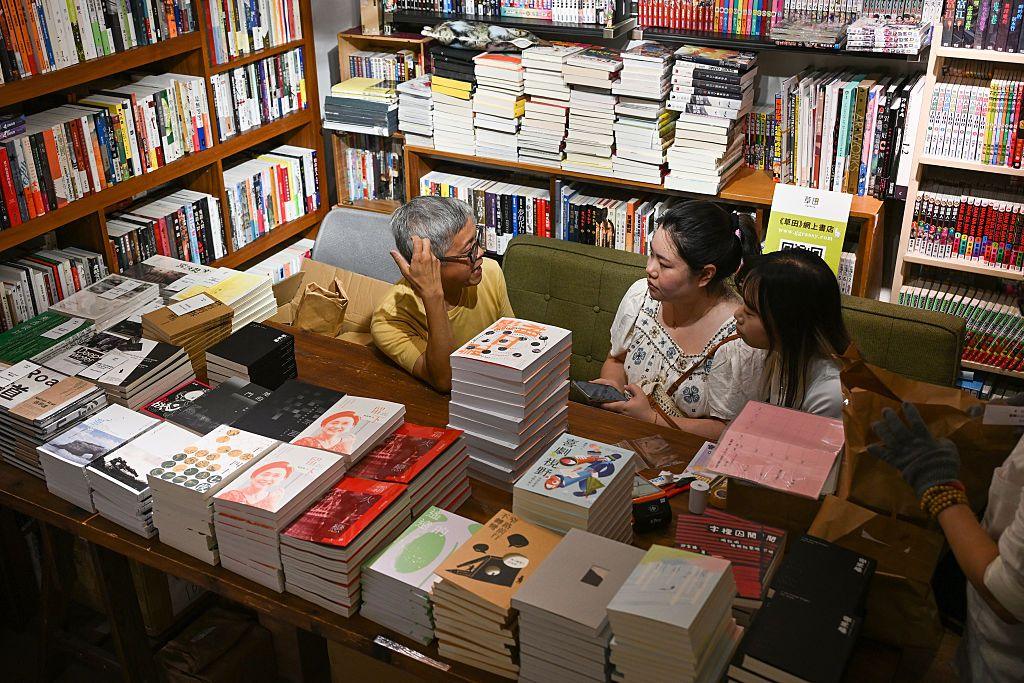
When Chen Zhu heads to Hong Kong from Guangzhou every month, the first place she walks into is Hunter Bookstore. The four‑year‑old shop, founded by a former councillor, has earned a reputation for stocking books that mainland authorities consider sensitive, from George Orwell’s Animal Farm to Ayano’s manga series Attack on Titan. For 23‑year‑old readers like her, the store is a gateway to a freer world, a chance to answer forbidden questions and discover books about the 1989 Tiananmen Square protests.
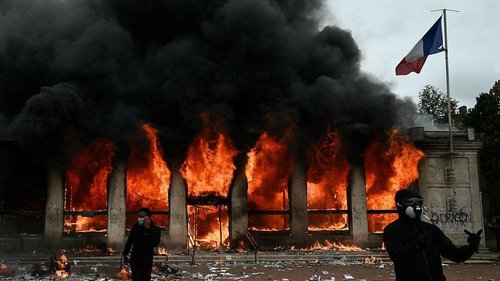
In late June, police raided Hunter and detained owner Letitia Wong, 33, and a 32‑year‑old man on sedition and money‑laundering charges. The raid echoed earlier arrests in March of the owner of Book Punch and in July of Greenfield Bookstore and Have a Nice Stay during the annual Hong Kong Book Fair. The seizures have left more than a dozen independent shops shuttered or slated to close, from Elmbook’s April announcement to Have a Nice Stay’s August exit, and the last of the city’s muscle‑free spaces for dialogue is vanishing.
The tightening grip comes after Beijing’s National Security Law, which officials say preserves stability but critics argue crushes free speech. The law’s vague wording forces bookshops to self‑censor: a sticker on a book about dissident leaders and a refusal to display a biography of Jimmy Lai can be grounds for a raid. Editors, influencers and ordinary readers from mainland China feel the stone walls closing in; the very act of buying a book becomes an act of quiet resistance, a way to keep a sliver of dissent alive.
Readers who once braved the city with the hope of finding forbidden texts now confront the possibility that any shop they visit may be shut down in an hour. They have begun walking on busier borders, hiding books across their clothes or deep in luggage, hoping to avoid customs confiscation. Yet the broader message is clear: Hong Kong, once the city’s free‑speech sanctuary, is losing its character as an independent market for ideas.
Despite the closures, the villagers at the booksellers—people who curate shelves, host chapter‑readings, and keep sticky notes of reflection on each book—readily agree that the space is still vital. “If I see a book that can’t be bought in mainland China, I’ll head to Hong Kong,” one Chinese reader tells us in Hong Kong. The quiet fight continues, one book at a time.