In brief
In Rawalakot, a small hospital’s makeshift clinic is now bustling with the injured, as citizens fight for basic rights under the banner of the JAAC. Doctors warn that the steady flow of gunshot wounds could overwhelm local hospitals. With elections underway and roads blocked, families grapple with the loss of loved ones while the government alleges that security forces fire only on those who attack them. The article explores the human cost of the unrest and the conflicting narratives from government and protesters.
In the mountainous city of Rawalakot in Pakistan‑administered Kashmir, a cramped bedroom has become a makeshift clinic, its patient list growing daily as protesters clash with security forces over a dispute that began with demands for affordable electricity, education and health services.
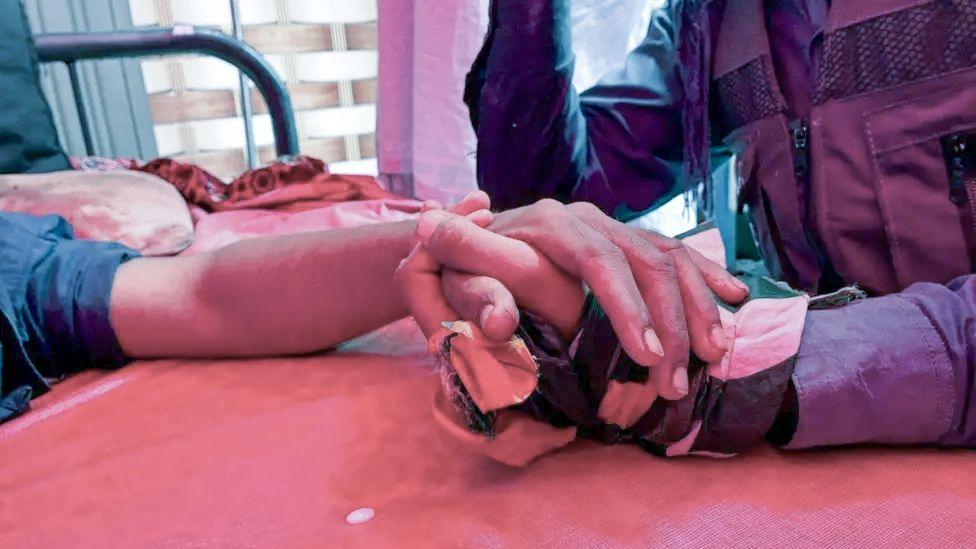
Doctor Anwar, whose name has been changed to protect witnesses, runs the clinic on an everyday spare bedroom turned medical supply room. “We have enough supplies to provide first aid – stop bleeding, clean wounds and remove superficial bullets – but patients with fatal injuries need advanced hospitals,” he says, pointing to the red‑taped bed where a young man, Shafqat Hussain, lies dying.
Between 27 July and today Dr Anwar has treated 50 to 60 critically injured protesters, including 15‑20 with gunshot wounds. Most victims are between 15 and 35 years old; patients over 40 are rare, he notes, reflecting the youthful face of the protest movement.
The protests are organised by the Joint Awami Action Committee (JAAC). The group says it is fighting for basic rights, citing an agreement signed between Pakistan and the Pakistan‑administered Kashmir (PAK) government in October that has yet to be implemented. The PAK government, however, insists that the JAAC is armed and that it has become a threat by disrupting local elections, which began earlier this month.
In Rawalakot, families report the loss of sons, daughters and brothers. Asma, a bereaved mother, says, “We were only asking for our rights. No mother could ask for a better son, yet he was shot.” Salman remembers his brother’s last words, “He was the youngest in the family and was loved by everyone,” and adds, “He was not fighting or attacking anyone.”
A retired soldier, Ayub, blamed the provincial government, blaming them with an appeal for respect for the people rather than a militarised response. “In my opinion, it is extreme injustice,” he says, recalling martial law periods under General Zia‑ul‑Haq and General Musharraf.
The local media and internet have been cut, and logs of roadblocks constructed by felled trees have been erected by authorities. The PAK government denies that it is preventing food or medical supplies from entering Rawalakot and claims instead that it facilitates their arrival.
The JAAC is banned in June and labelled a foreign‑funded terrorist group. Mr Nazir, a core committee member currently in Rawalakot, says infiltration may have occurred but denies any support for violence from within. “We are a peaceful group and are not sponsored by India,” he reiterates, whilst the truth of the content of the protests remains contested.
The conflict has escalated without clear signs of deescalation. The authorities are warning that any influx of fighters or armed groups from the JAAC would push the situation into a larger scale crisis, while the protests, led by women and young men, continue to demand remedial action.
In the face of such turmoil, Dr Anwar’s small clinic remains a lifeline, showing the real human cost of political rift and the urgent need for a resolution that acknowledges the voices of those fighting for basic freedoms.
Images