In brief
Presidential term extension proposal by Nicaragua’s long‑time leader Daniel Ortega signals an intensification of authoritarian rule. The National Assembly, controlled by Ortega’s party, is expected to approve the change in September, accompanied by a broader constitutional reform that seeks to exclude opposition figures labelled as 'traitors' from future polls. Ortega’s regime has repeatedly removed term limits since 2007, expanded the term length in 2024, and installed his wife as co‑president to secure succession. Human rights groups warn that the country’s democratic institutions are eroding amid widespread repression, including arrests, exiles, and denial of citizenship for dissenters.
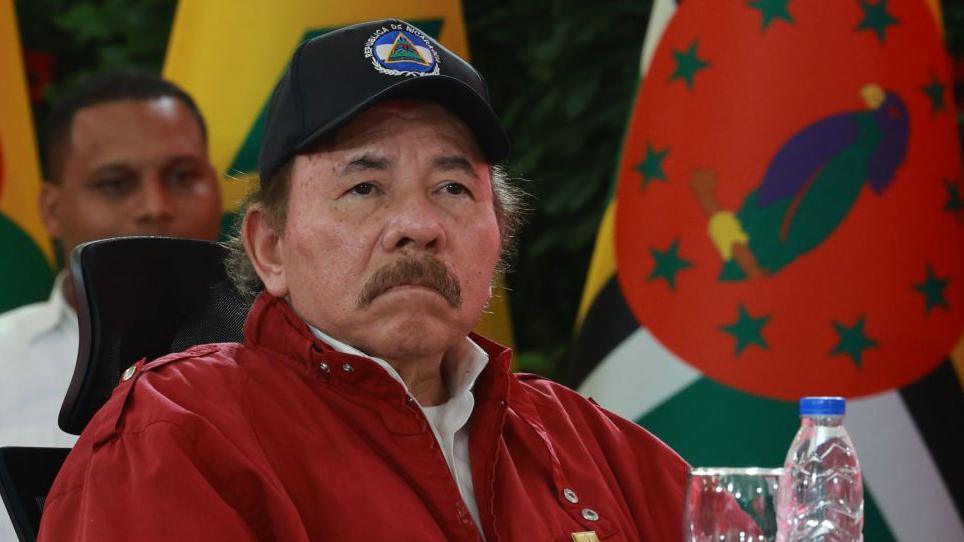
President Daniel Ortega, who has ruled since 2007, has announced a proposal to extend his presidential term from six to seven years, a move that would be voted on by a government‑controlled National Assembly in September.
The proposal comes alongside a broader constitutional reform aimed at barring opposition figures deemed “traitors” or “coup plotters” from future elections.
Ortega’s grip on power has tightened in recent years. He previously removed term limits in 2014 and in 2024 pushed the term from five to six years. The Assembly also approved the appointment of his wife, Rosario Murillo, as co‑president, paving a path for a succession if he becomes unable to serve.
Human rights organisations warn that the country’s democratic institutions are eroding as political opponents are jailed, exiled, or stripped of citizenship, while security forces have been responsible for many deaths during protest repression.
After the November 2021 election, which Ortega won amid a crackdown on the opposition, the regime has intensified its suppression, with rival opposition candidates being detained and barred from running, and many dissidents living in exile being targeted and left property seized.