Jay Clayton Confirmed as USA’s New Director of National Intelligence
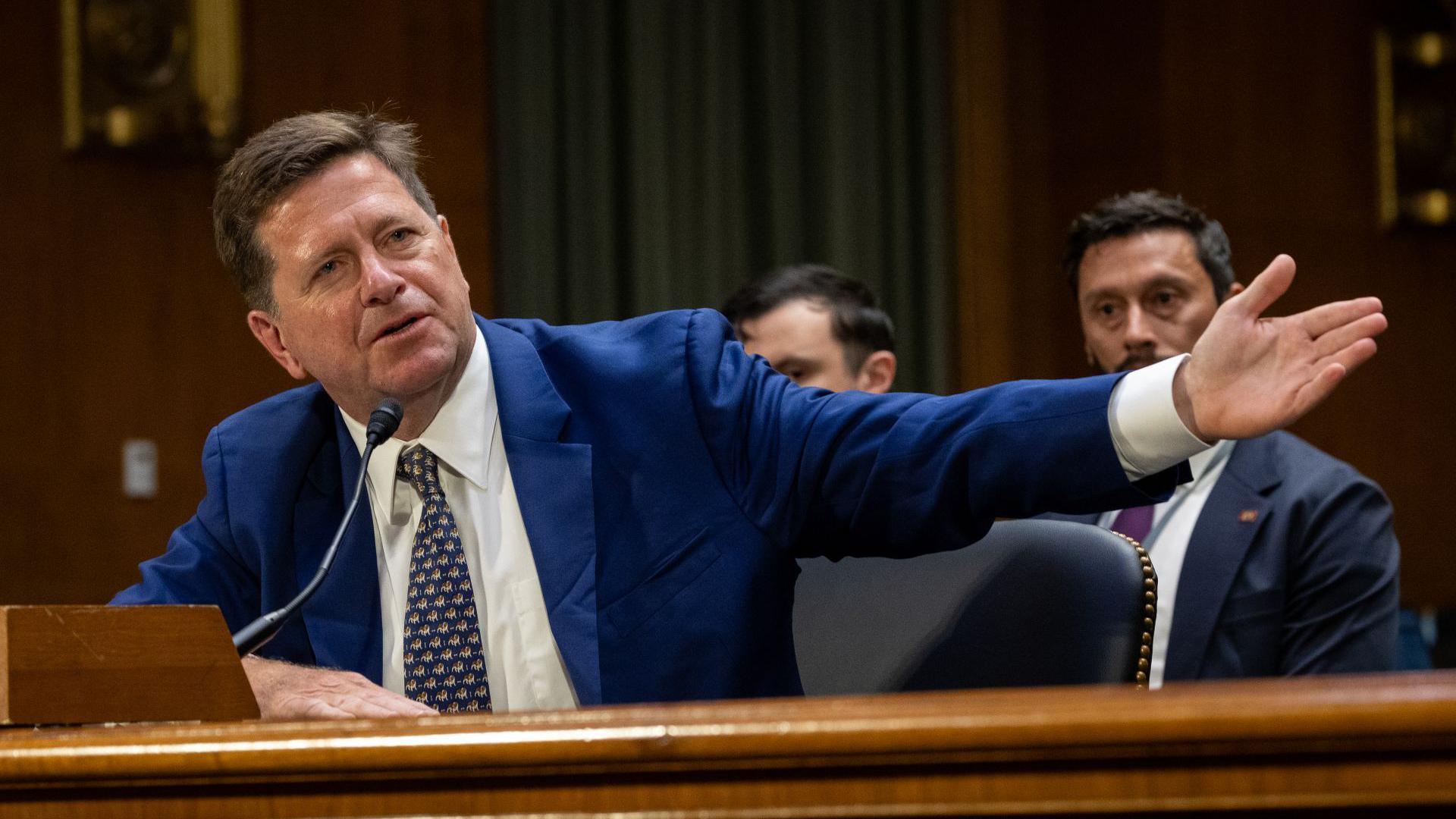
On Tuesday, a slim 51‑47 Senate vote gave Jay Clayton the authority to lead the U.S. intelligence community. He replaces acting Director Bill Pulte, who was elevated by former President Donald Trump and was widely criticized for a lack of intelligence experience and for enforcing staff cuts.
Clayton hails from the U.S. District Court for the Southern District of New York, where he prosecuted high‑profile cases—including a drug‑trafficking prosecution of former Venezuelan president Nicolás Maduro. Prior to that, he served as a securities regulator and a federal prosecutor, credentials that aligned with Trump’s administration’s emphasis on “law and order.”
In the post‑confirmation social‑media test, Trump praised Clayton on Truth Social, calling him “outstanding in every way” and sounding hopeful about the new spymaster’s performance.
Pulte’s controversial tenure began when Trump appointed him as acting DNI in early June. Pulte, meanwhile, used his housing‑regulator duties to target political opponents, and he publicly announced a 30‑percent staffing cut while overseeing the agency’s budget—actions that raised alarm both within and outside the Democratic caucus. The Senate’s swift confirmation of Clayton was partly a response to that turbulence.
During the confirmation hearing, Clayton was questioned repeatedly about the 2020 election. He repeatedly affirmed that President Biden was “certified” as the winner, a statement that critics felt undermined the party’s stance on election integrity. Senate Intelligence Committee Vice‑Chair Mark Warner, a Democrat, expressed “serious reservations” about Claytons willingness to confront political pressure.
An underlying dimension of the vote is the status of Section 702 of the FISA Act. The statute allows the U.S. government to collect foreign communications without a warrant, and its renewal has been a contentious issue. Trump’s campaign for a long‑term renewal; Senate Majority Leader John Thune echoed that desire and urged the new DNI to help break the congressional impasse.
Clayton’s appointment raises the question of whether the intelligence community can step out of a “political spin‑coat” that has marked recent months. With his legal background and no prior intelligence roles, many see him as a potential bridge to a more fact‑based oversight structure—though the skepticism remains, especially among Democratic members who fear a repeat of executive overreach.
The confirmation also flags a broader conversation about the balance between national security and civil liberties, a debate that will likely intensify as the new Director takes a firm grip on intelligence programs.
This development comes as the intelligence community enters a new era, where the fate of surveillance statutes, political scrutiny, and the integrity of the incoming DNI will unravel in the coming weeks.
Source: BBC News, 4 hours ago