In brief
Alberta voters turned away from a pro‑separatist referendum, sending a clear message of loyalty to Canada. The result, surprising even to some separatist leaders, signals a sharp retreat from the movement’s ambitions. Premier Carney celebrated the victory, calling it a clear choice, while separatist spokespersons insist the debate over Alberta’s role in Canada will continue. The vote also highlights deeper tensions over oil policy, federal influence and western alienation. As separatists regroup, the future autonomy agenda will weigh heavily on the province’s political landscape.
It was a decisive result in a referendum that could have strained the bonds of national unity.
Preliminary counts show that more than two‑thirds of Albertans voted to remain in Canada, delivering a profound setback to the separatist movement.
The outcome promises to push the idea of Alberta leaving Canada into the political fringes, as the populace rejected a binding independence vote by a comfortable margin.
Separatist leader Mitch Sylvestre said he was “Not happy” after the announcement, underscoring the disappointment felt after a year of campaigning.
Despite the defeat, leaders like Jeffrey Rath and Keith Wilson reassure supporters that the conversation about Alberta’s future will continue, arguing that the debate over autonomy and national unity will be a long‑term feature of provincial politics.
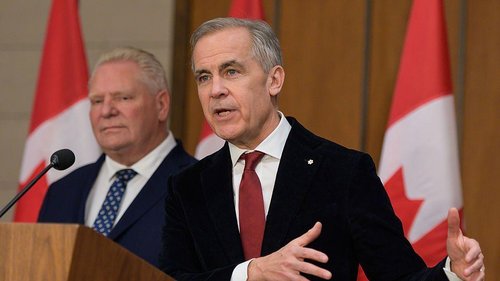
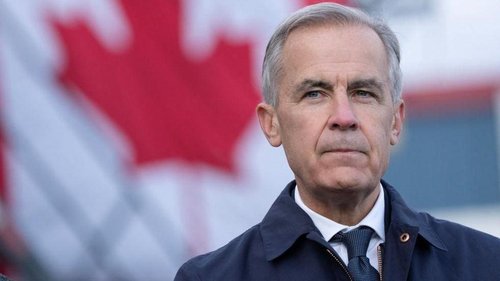
Prime Minister Carney hailed the result, stating that “Albertans made a clear choice,” while the Alberta premier, who lowered the threshold for the petition, faced criticism for taking a risky gamble in releasing the vote.
Supporters of unity emphasize concerns over federal policies on oil, environmental measures and the Covid‑19 pandemic, viewing them as evidence of undue federal overreach.
Carney, who is originally from Alberta, has pledged a new pipeline to the Pacific coast, framing it as a step towards unlocking Canada’s full energy potential with Alberta at its core.
The separatist movement itself draws on the example of Quebec, citing the province’s leverage over the federal government following its 1995 referendum, despite current low support for Quebec sovereignty.
Many Albertans now face nine additional questions aimed at increasing provincial autonomy, including on matters such as immigration, with preliminary results indicating potential passage of these measures.