Fuel Lines and Flaglines: Moscow’s Queued Resilience in War’s Shadow
Svyatoslav waits two hours at a closed station in southeast Moscow, hopeful that the next refueling slot will appear. When the station’s banner suddenly reads "No Fuel," he knows a new wave of shortages is underway.
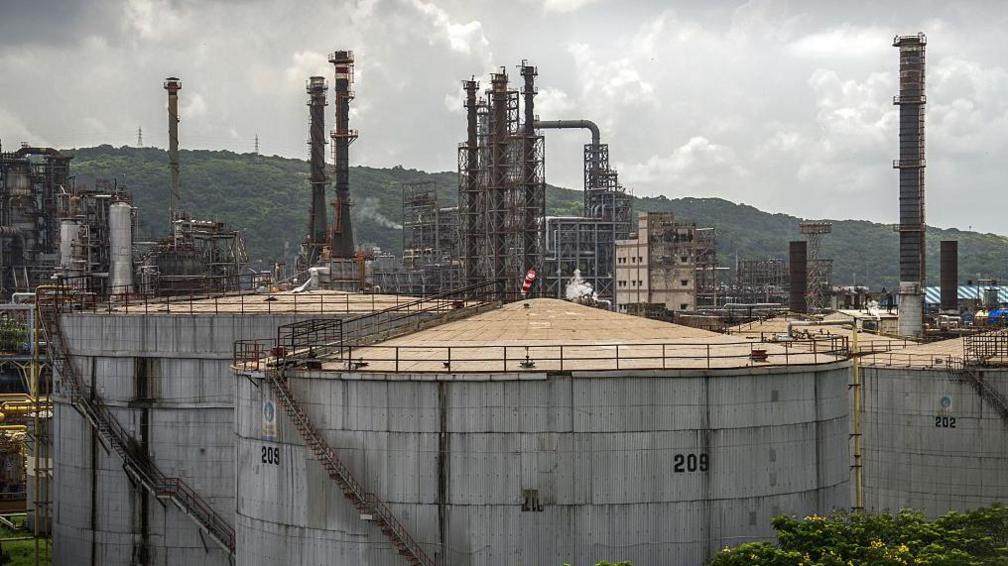
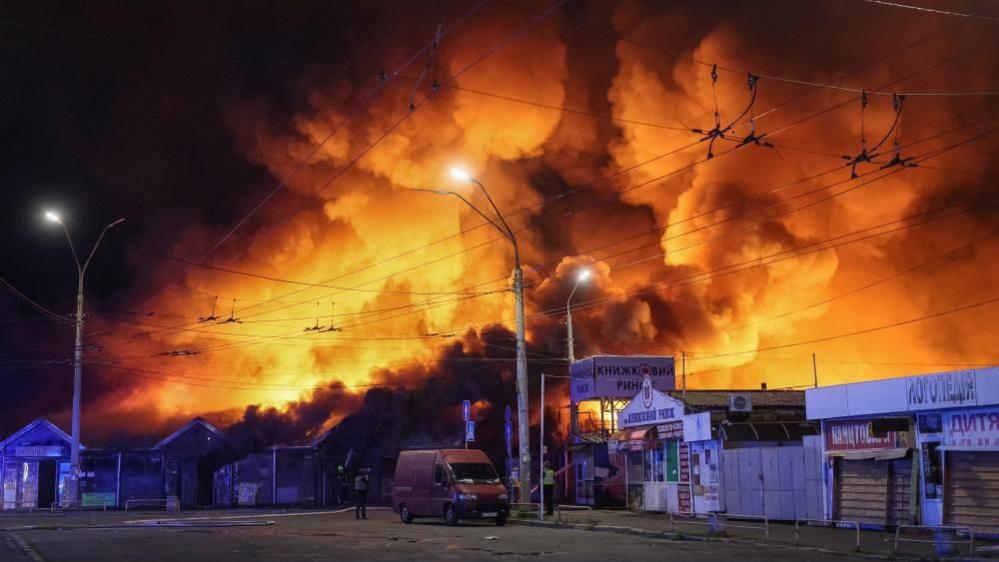
Unscheduled repairs at oil refineries—targeted by Ukrainian drones—have drained the city’s refining capacity again this summer. Russian officials claim long‑range attacks are the root, while the government has begun importing petrol and temporarily authorising lower‑grade Euro 2 fuel, a move meant to lift the depressed supply but carrying warnings of engine wear.
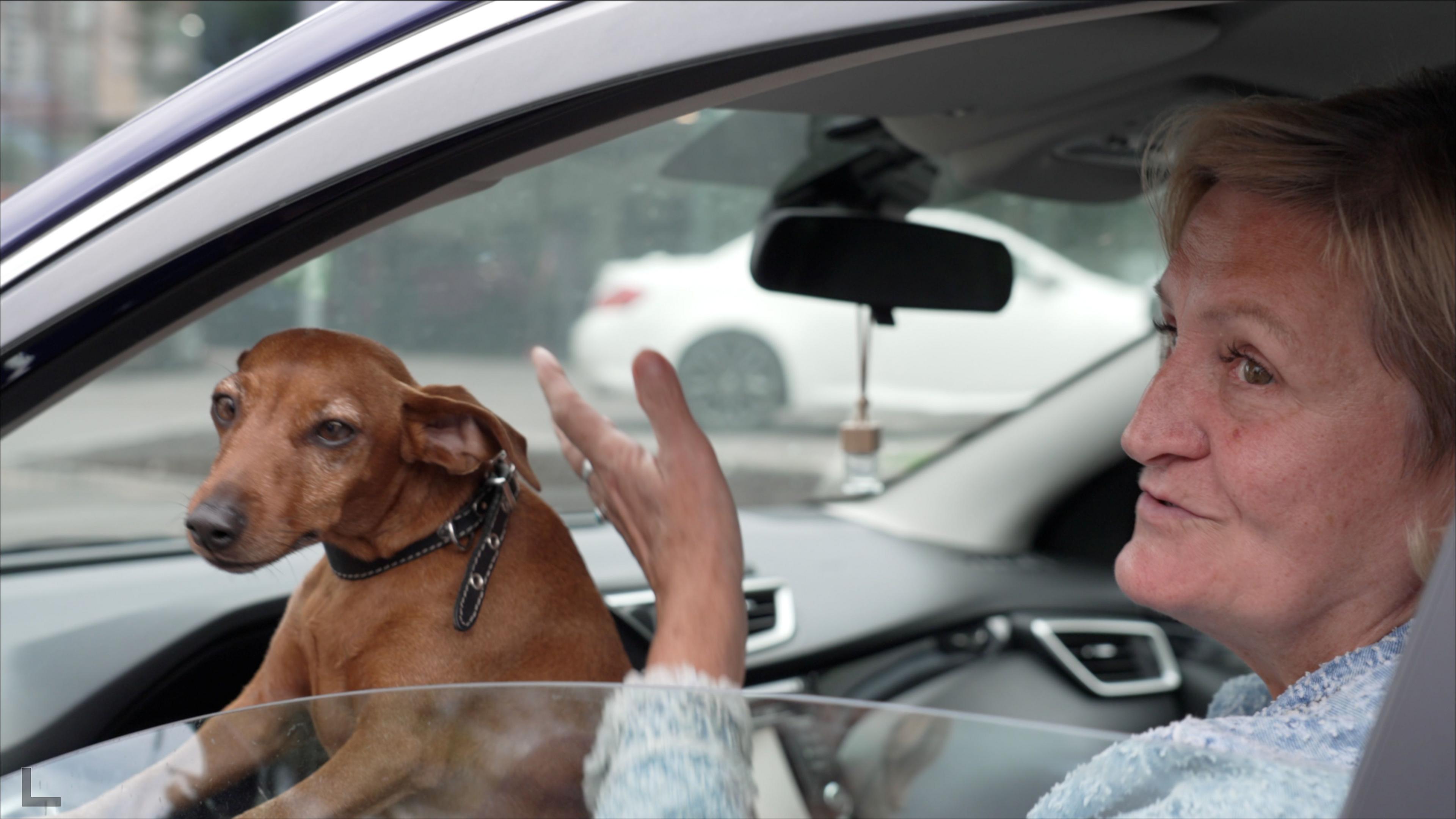
The queue has grown to more than 80 vehicles outside a single station, while drivers from the provinces report empty pumps across the region. One woman, Lyubov, stays calm by petting her dog Agatha, hoping the bracing ritual eases anxiety for those caught at the road’s edge.
Against this backdrop, the city lights up for Flag Day. Stalls sell candyfloss, children line up to touch replica rocket‑launchers, and rows of Russian tricolours flutter in public squares. The patriotic displays seem to provide a brief respite, reassuring citizens that the war, while real, does not extinguish national pride.
Analyst Andrei Kolesnikov notes that the Kremlin’s “keep calm and carry on” narrative is slipping. Pop‑up polling shows rising anxiety, and people feel that future plans are axed by the endless stream of crises. Yet, as he observes, pockets of patriotism still rally around the flag.
With the petrol crisis, drone attacks on key infrastructure, and economic pain from disrupted logistics, everyday Russians now experience a war‑driven reality in every turn of the steering wheel. Their long‑hundreds‑meter line at the pump becomes a microcosm of a nation weathering conflict while holding onto its symbols of home.