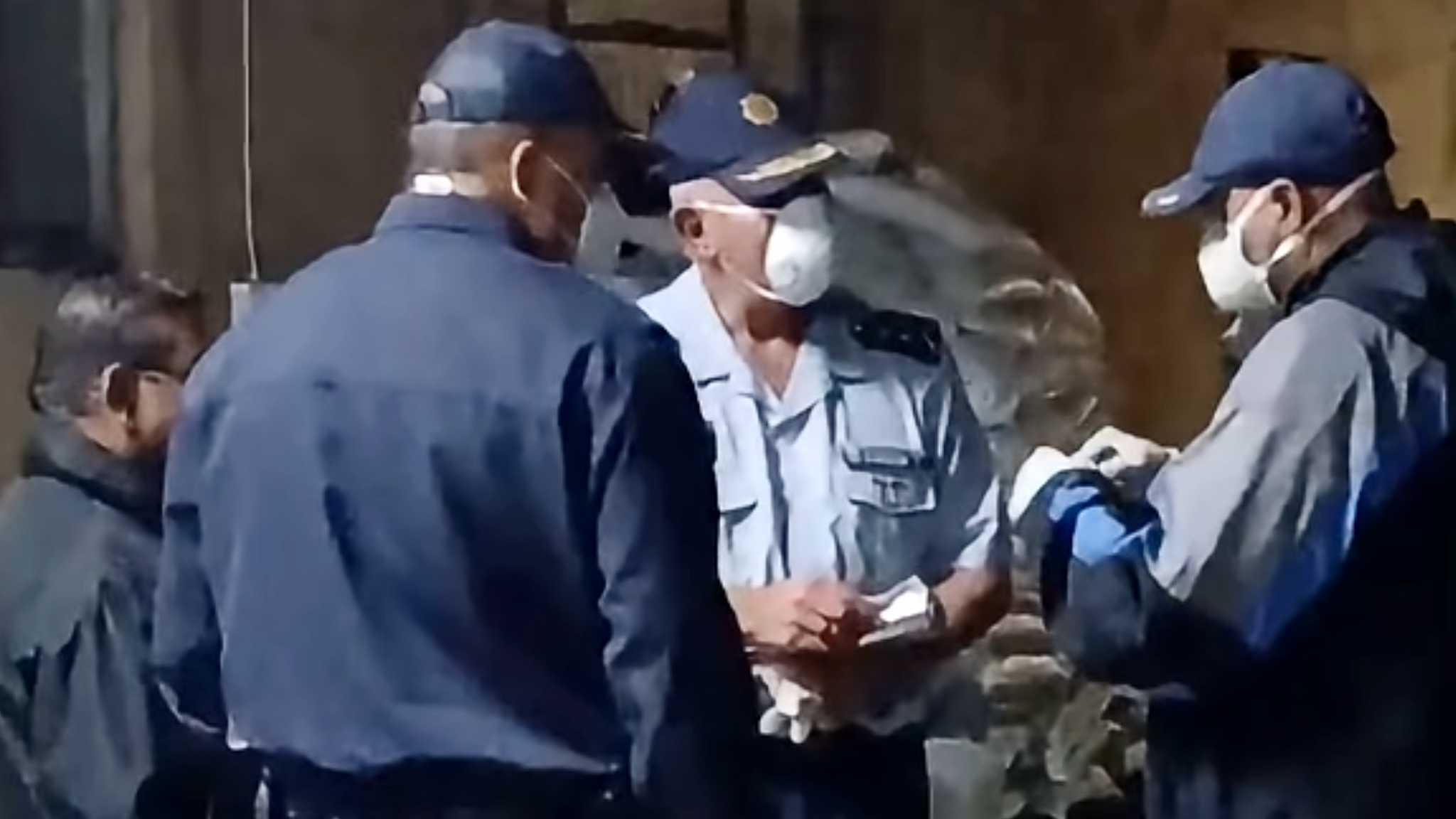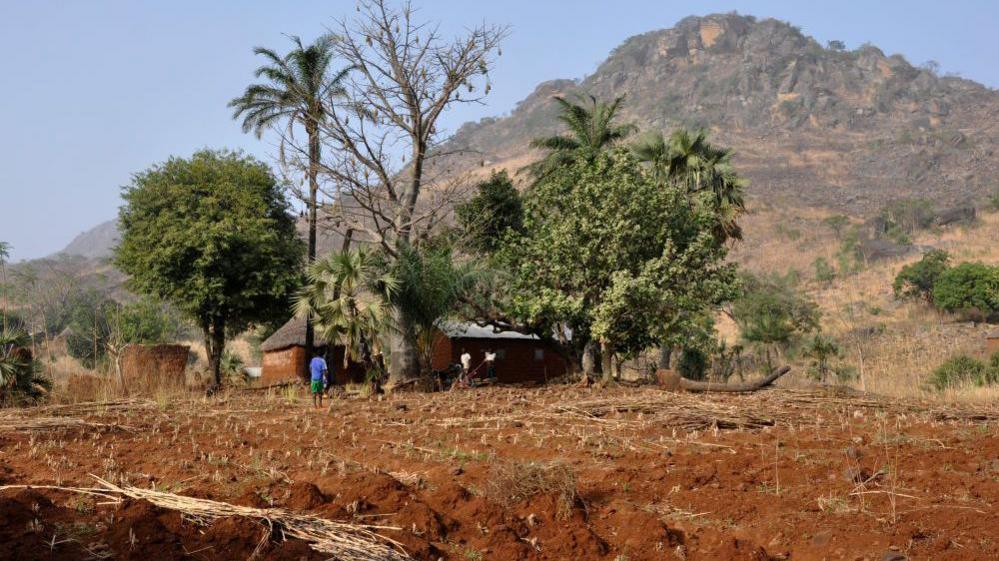
Inside a hidden forest laboratory in Ogun State, Nigeria, a high‑court hearing was held for the first time at a suspected meth production site. Three Mexicans and seven Nigerians, all handcuffed, were examined by Justice Musa Kakaki as the case unfolded outdoors.
The scene was awash with a pungent chemical smell from a large drum of the drug crystallising and open vats of black, viscous meth. Propane cylinders and caustic soda bottles lay scattered across the unfinished building.
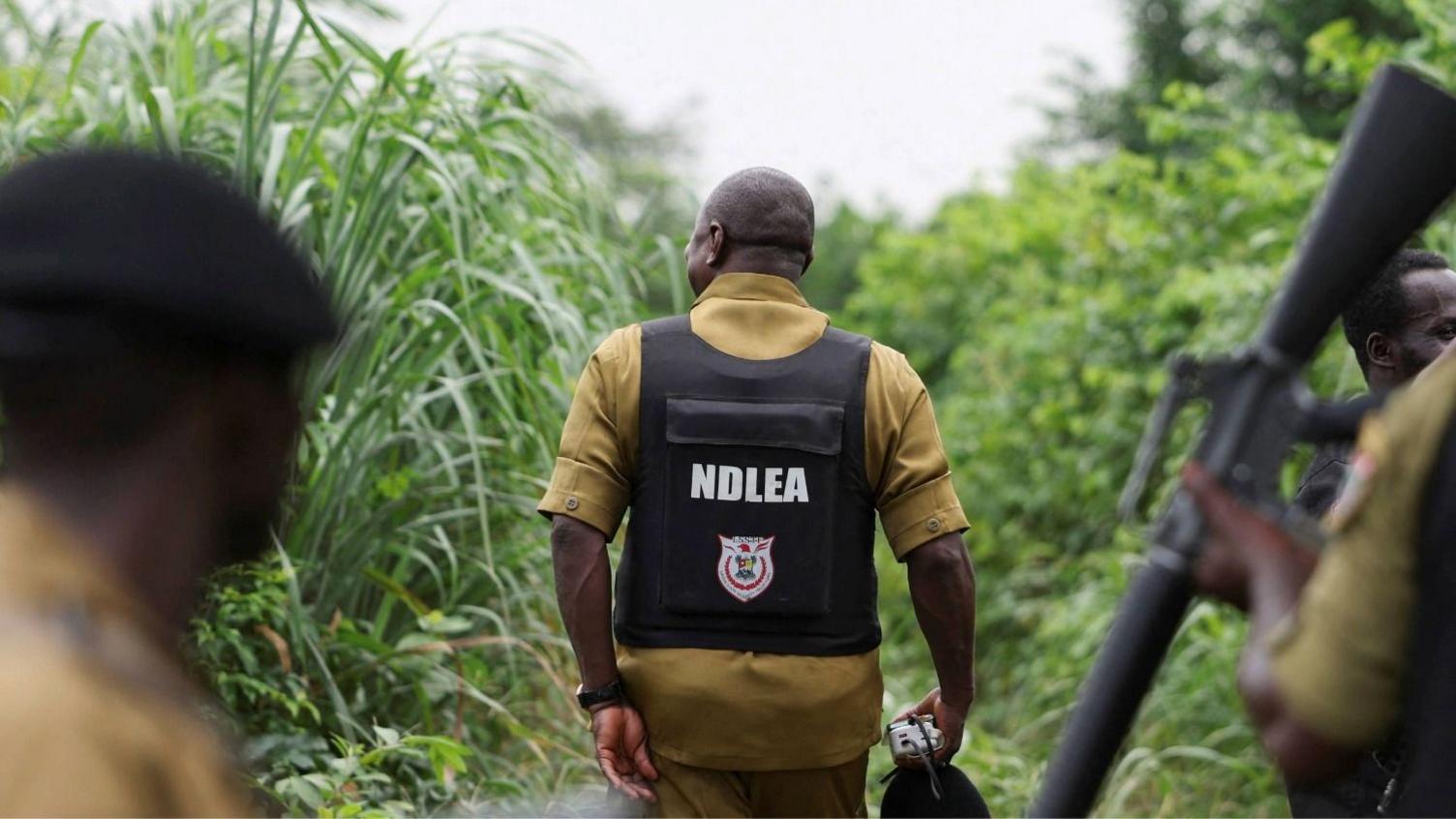
This unusual move of the federal High Court to a two‑hour drive from Lagos enabled officials to grasp the scope of the operation. The National Drug Law Enforcement Agency (NDLEA) described the raid as the country’s largest‑ever meth bust, seizing over two tonnes worth of meth worth approximately $360m.
Since 2016, NDLEA has reported on Mexican‑linked meth laboratories, calling the first one a “super lab.” In July 2026, a fresh raid hit a site in Ogun State, and in August a similar laboratory was uncovered in Oyo State. Each location had evidence of Mexican specialists working with local operators.
“Mexican cooks have become increasingly common at labs in Europe and Africa,” said James Griego, counter‑narcotics chief for US‑Africa Command. The cartel links are now traced as far as Mozambique, Kenya and South Africa, with 14 Mexican‑run labs having been raided since 2023.
Experts warn about the benefits West Africa provides: dense forests for secrecy, a large youth population for cheap labour, and porous borders easing the shipment of chemicals and finished tea. The region’s strategic position also enables quicker routes to Europe, Asia and the Americas.
Looking ahead, the NDLEA and allied agencies are tightening surveillance and intelligence. The temporary courtroom struck into the forest, heavy guard, and intense forensic work all signal that Nigeria will no longer be a safe haven for these cartels.