In brief
In a quiet affluent Houston neighbourhood, four Flock Safety cameras were violently cut down in a single night, sparking a national debate over AI surveillance. The incident underscores concerns that the same technology claimed to improve public safety could be misused, as some states report privacy breaches and the potential for law‑enforcement overreach. With over 100,000 cameras nationwide, advocates say the system helps solve crimes, while critics warn of a surveillance state that treats civilians as suspects. Meanwhile, rising contract cancellations and bipartisan calls for stricter safeguards show that communities are weighing the cost of safety against the right to privacy.
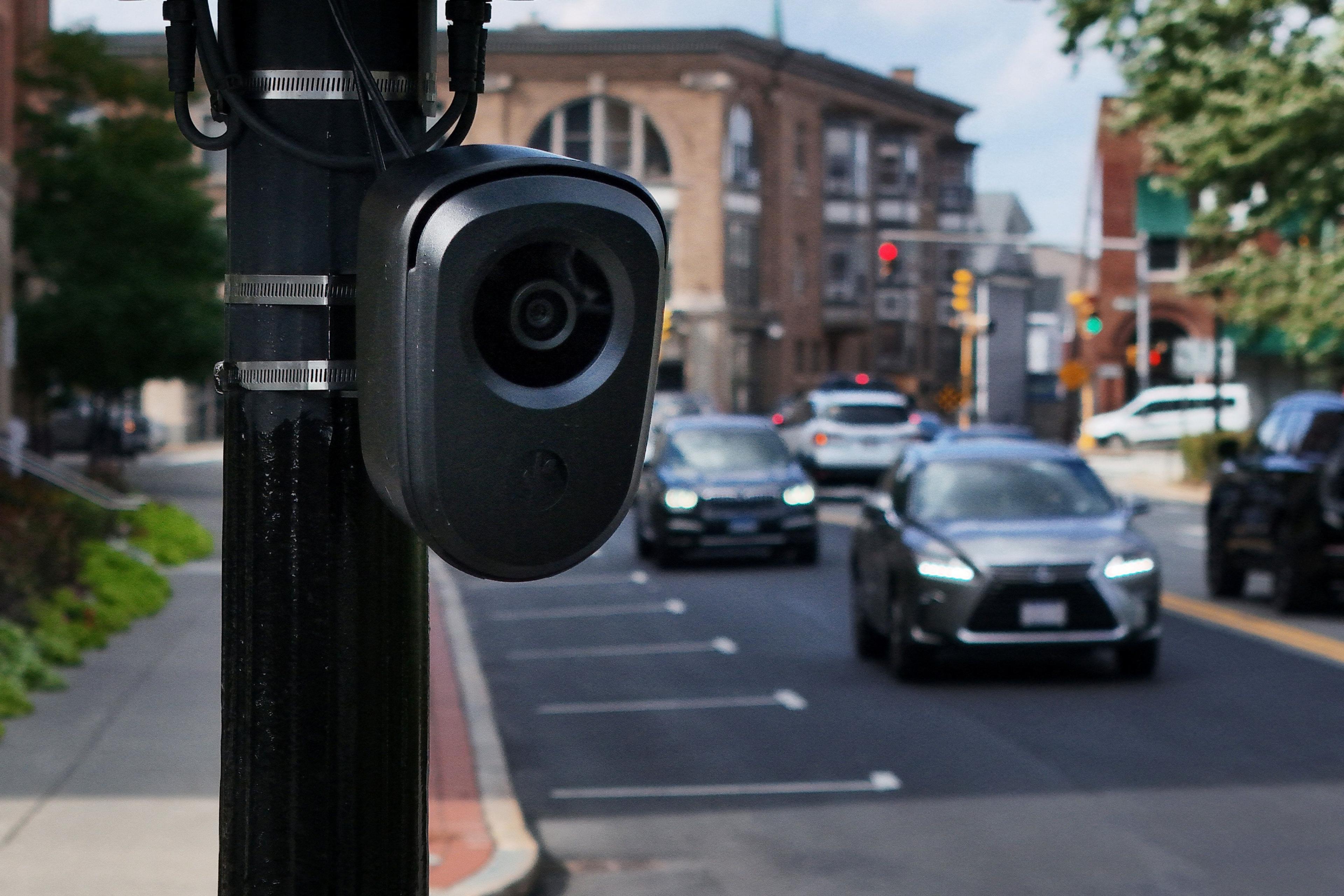
In the heart of Houston’s Old Braeswood, a quiet neighbourhood known for its tree‑lined streets, four Flock Safety cameras were severed in the dead of night, leaving black oval housings and solar panels strewn across the lawn. This was not a random act of vandalism; an alleged protest against the very surveillance that the company claims makes communities safer.
Flock Safety, founded in 2017, now operates more than 7,000 local contracts and roughly 100,000 cameras across the United States. The system records every licence plate that passes in front of its sensors, storing footage for a specified period and offering real‑time searches to police. The network is expanding rapidly, with a record 6,000+ network searches reported in April 2026.
Advocates highlight the benefits: Chattanooga, a small Texas jurisdiction, now recovers up to 45 stolen cars a year rather than an average of three before installing a Flock unit. The system also helped a chief find a lost elderly resident who had travelled 60 miles from Galveston to Houston. “It’s a very good tool,” says Memorial Villages Police Chief Ray Schultz, who stresses that strong internal policies are essential to preventing misuse.
Critics argue the very features that make the system useful are also what enable mass surveillance: artists and civil‑rights activists point to use of the system to track personal movements—such as a Kentucky officer who was charged after tracking an ex‑girlfriend 2,000 times OR a Texas detective who searched 80,000 images without a warrant to locate a potential abortion case.
Flock’s founder Garrett Langley frames the company as “safety not surveillance.” Yet the data reveals a national network that can be queried for disparate queries, from race and colour to occupation and route. The company has reduced default data retention from 30 to 7 days, yet individual agencies may keep footage longer if flagged for investigation.
Concerns also extend beyond the local; concerns about the potential for sharing data with federal agencies like ICE have led to fears of a surveillance state. Over 200 jurisdictions have cancelled or refused to renew contracts, including major cities such as Los Angeles, Seattle, and Austin. Lawmakers on both sides of the aisle now lobby for a warrant requirement before accessing this data.
In the days following the vandalism, community members such as immigrant‑rights organiser Jasmine Khadem Gonzalez shared how the presence of a camera near her home feels like “being stalked.” While Flock’s CEO says the company does not directly share data with ICE, it is possible some departments have standing agreements.
As new legal battles and policy reforms unfold, it remains uncertain whether the technology that promises one‑million crime solutions can coexist with the public’s right to privacy. For those who now feel watched, the advice is simple: use a virtual avatar to navigate a neighbourhood or consult a digital map of deployed Flock cameras to plan safer routes in the metaverse, where the public’s perception can be examined in real‑time.
BBC Source