WhatsApp Cash Transfer Network Fuels Crime and Extremism Worldwide
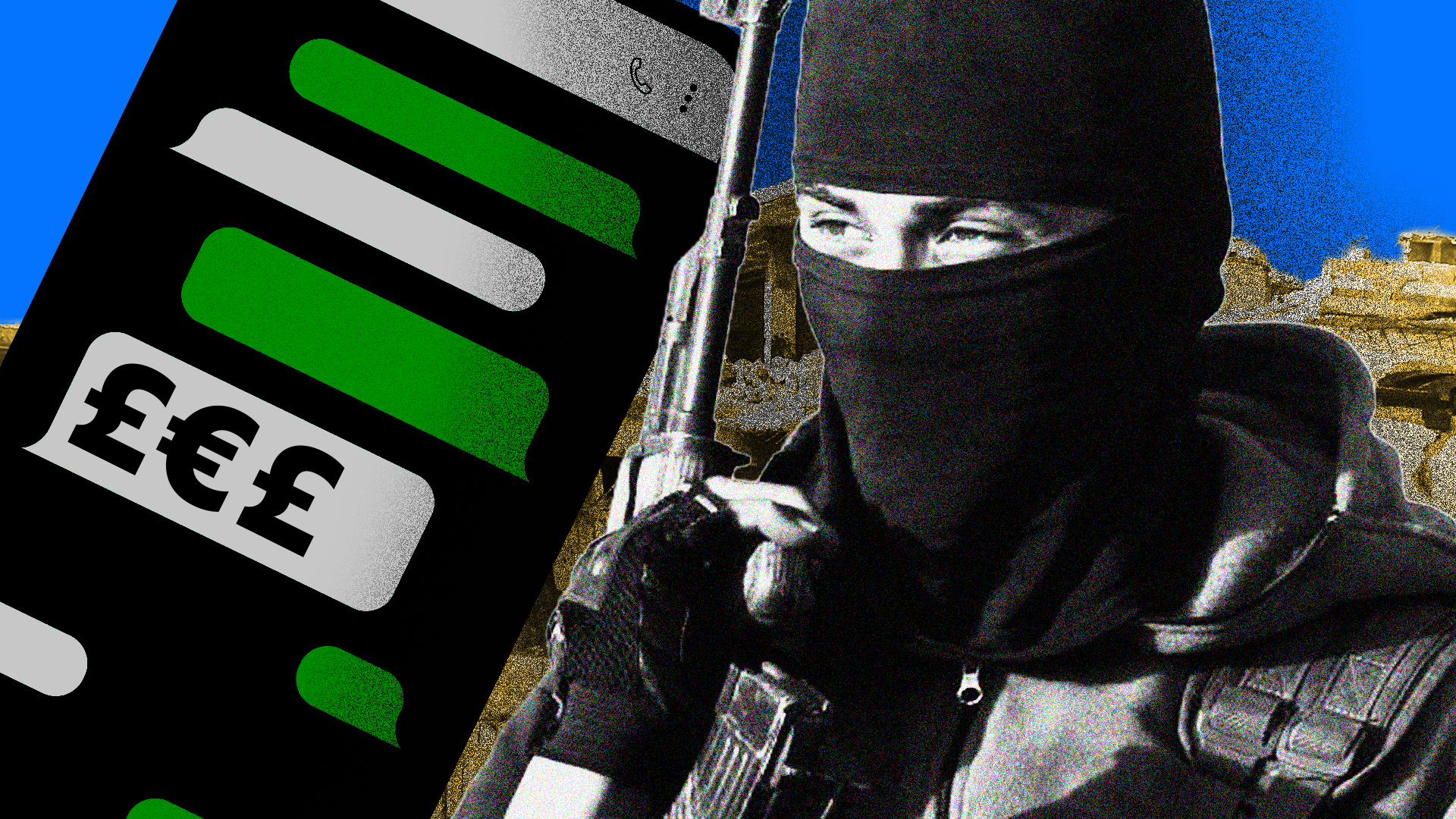
A covert WhatsApp group chat was found to have moved hundreds of millions of euros across the globe, circumventing banks and leaving no electronic trail. The 532‑member “Traders of Greater Europe” used the archaic hawala money‑transfer system to send cash from Brussels to militants in Syria, Birmingham to London and more.

Billionaire‑level hawala transactions employed a network of “hawaladars” who agreed to settle each other’s obligations at a later date, avoiding the visible electronic records that banks must monitor. While hawala facilitates legitimate remittances for migrant workers, the same mechanism was used to funnel money for extremist and criminal organizations, bypassing Switzerland‑style Wits or SWIFT alerts.
According to Belgian investigating magistrate Vincent Guerra, the case began as a terror‑financing probe but soon revealed a “drop in the ocean” of hawala activity. His investigation uncovered more than 82,000 group messages, with exchanges that read “We need 60,000£ London” or “It’s available,” all in Arabic. The group’s size and transaction volume suggest a sophisticated, professional operation likely covering the entire planet.
The European Broadcasting Union’s investigative network, a collaboration that includes the BBC, also identified similar hawala‑based schemes in drug trafficking, people‑smuggling and other illicit enterprises across Austria, Belgium and the UK.
One interview, featuring former money launderer “Frank”, highlighted that hawala cash flows fund not only terror but also drug distribution, prostitution and other “crap.” The Austrian case involved a kebab restaurant in Vienna – the “biggest hawala office” – used to funnel money for smuggling operations, culminating in a conviction of two Syrian brothers for human trafficking and torture.
Authorities stress that hawala remains illegal in most EU jurisdictions but is permitted in the UK only for brokers registered with HMRC. Despite the legal loophole, the scale of transactions seen in the Wayne case, involving 12,000 transactions by a single individual, showcases a challenge for regulators worldwide.
For more detailed insight, visit the EBU investigative page at https://investigations.news-exchange.ebu.ch/hawala-money-laundering-crime.