Zelensky’s Ousting of Popular Defence Minister Ignites Protests and Parliamentary Turmoil
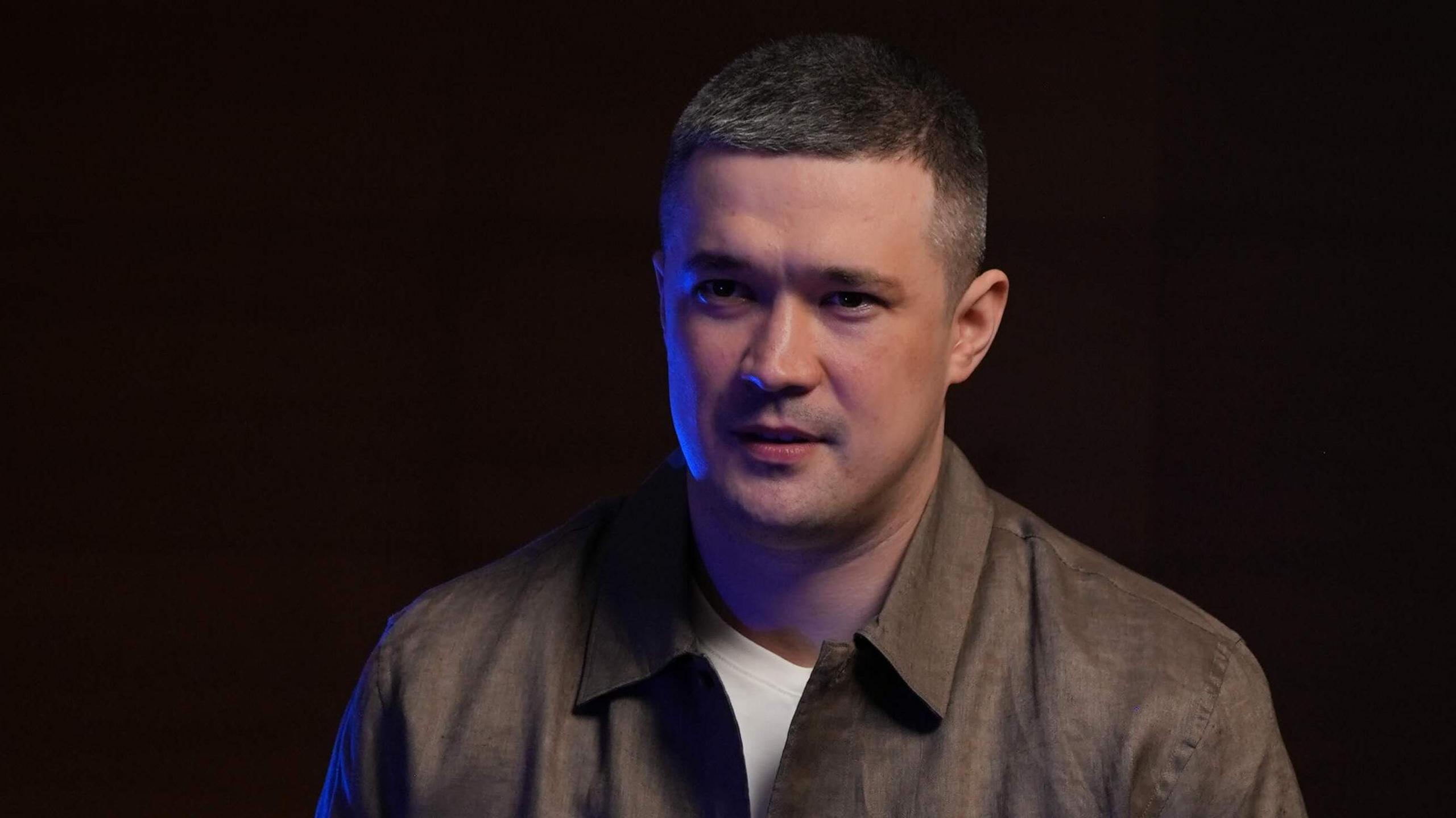
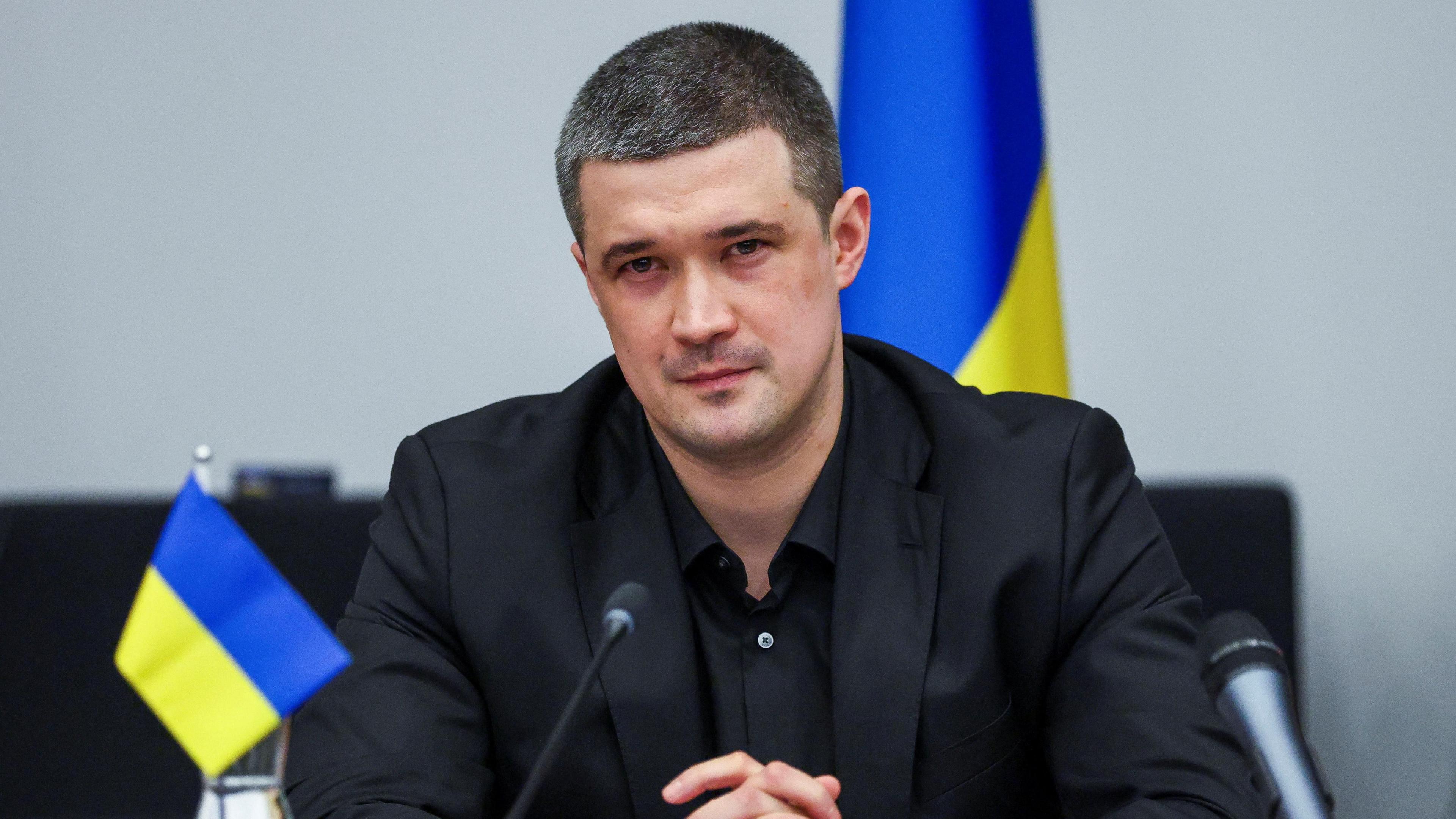
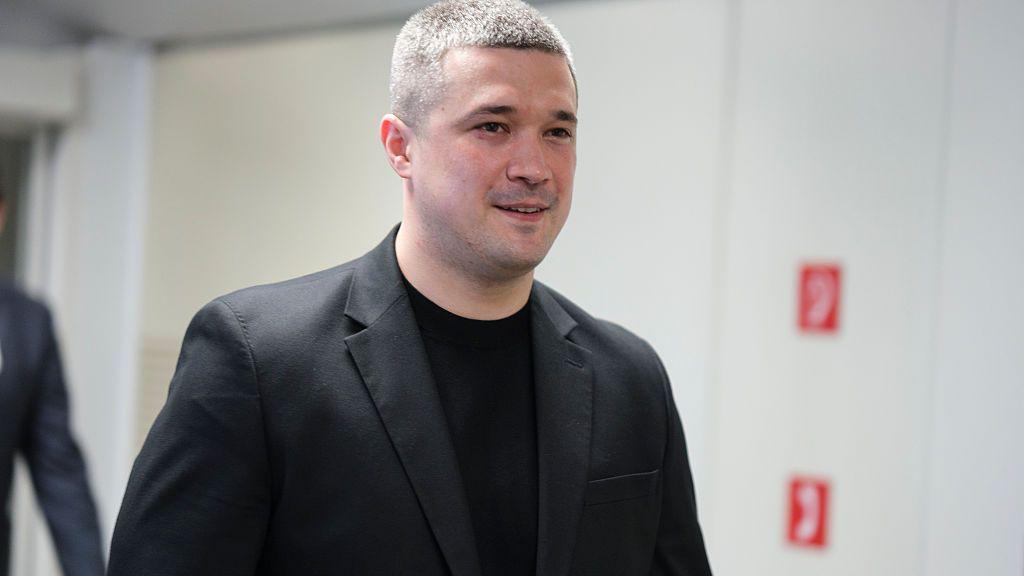
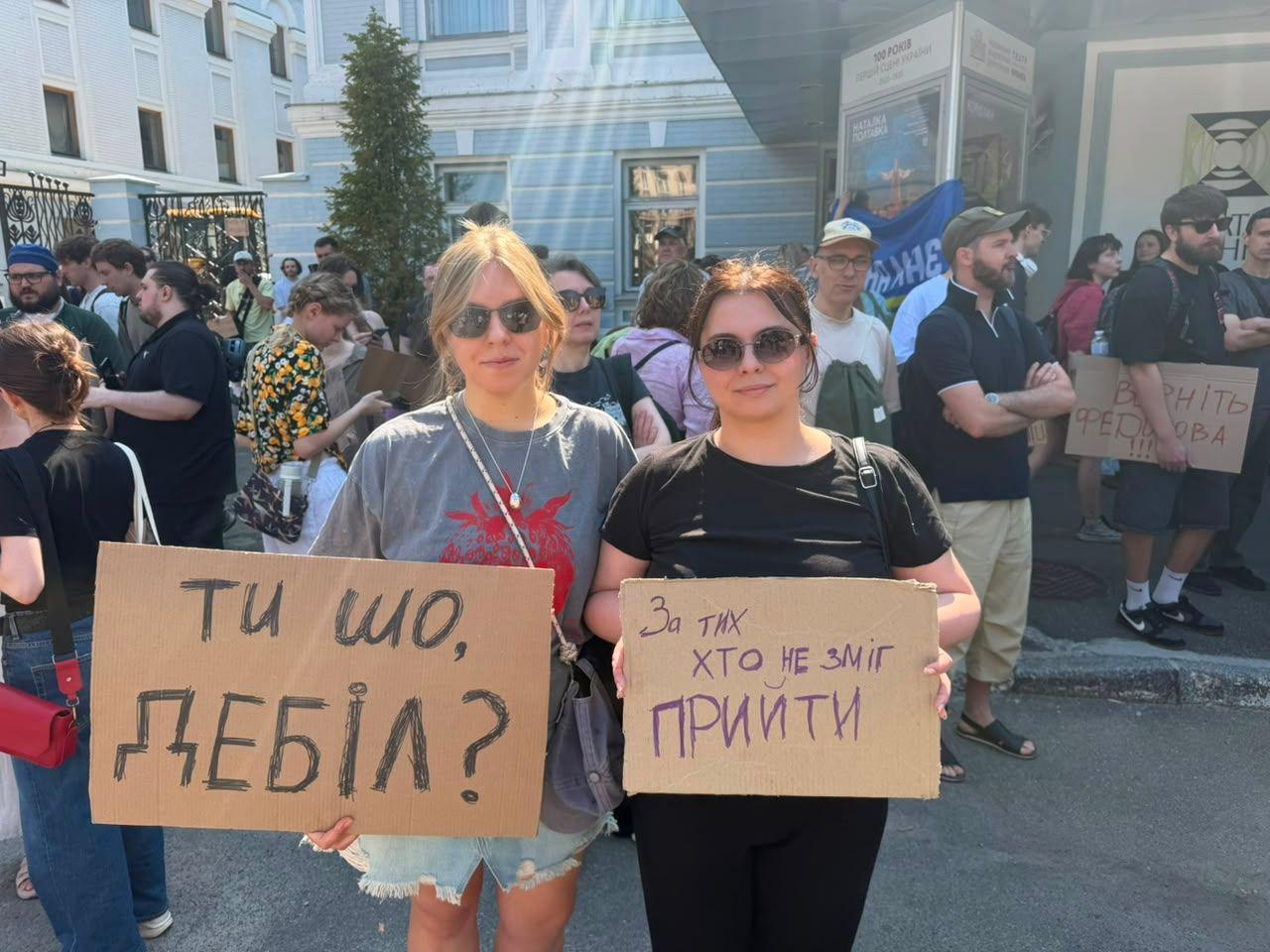
On Thursday morning Kyiv’s streets bulged with thousands of young people holding signs that read “Hands off Fedorov” and “Stop sabotaging victory!” The sudden dismissal of Defence Minister Mykhailo Fedorov—who had been credited with modernising the ministry and spearheading Ukraine’s drone initiative—has sparked angry protests across the capital and other major cities.
Fedorov’s removal came in the wake of escalating tensions with Commander‑in‑Chief Oleksandr Syrskyi and Chief of the General Staff Andrii Hnatov. In a press briefing, the president confirmed that the conflict between the general staff and defence ministry was “systemic” and admitted that Syrskyi and Fedorov would only work together under central mediation.
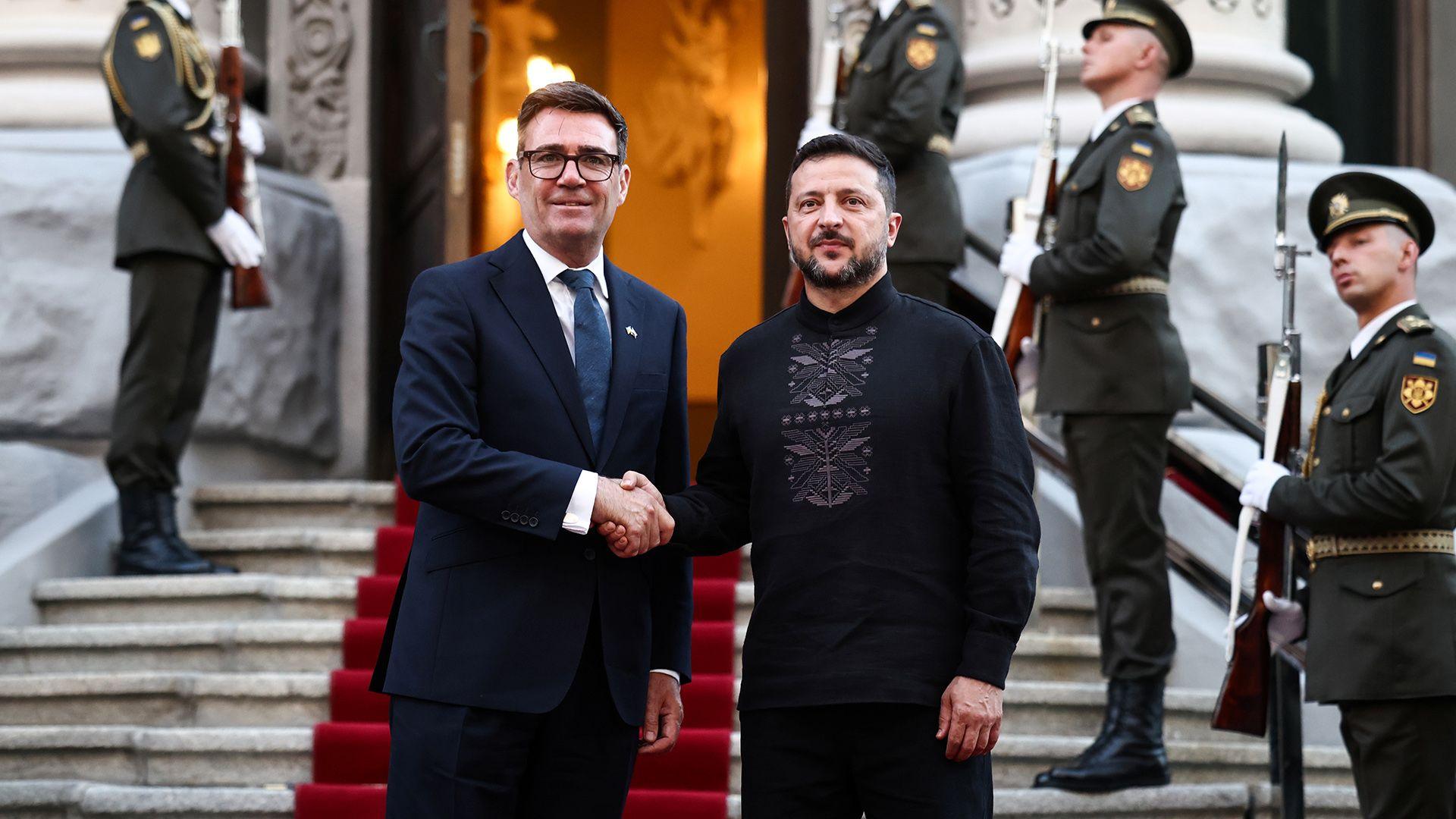
After the announcement of Fedorov’s dismissal, Zelensky moved swiftly to name a replacement. Maj‑Gen Yevhenii Khmara, the current head of the Security Service (SBU), was named acting defence minister. “Khmara has gained extensive, and in many respects, unprecedented experience with technological combat operations,” the president said at a press conference with UK Prime Minister Keir Starmer.
The fallout has not been confined to the streets. Parliament was scheduled to vote Thursday on a replacement, and early‑dated MPs were considering Ihor Klymenko, who currently heads the interior ministry. Zelensky clarified that his designation was an early step and that no official proposal had yet been submitted.
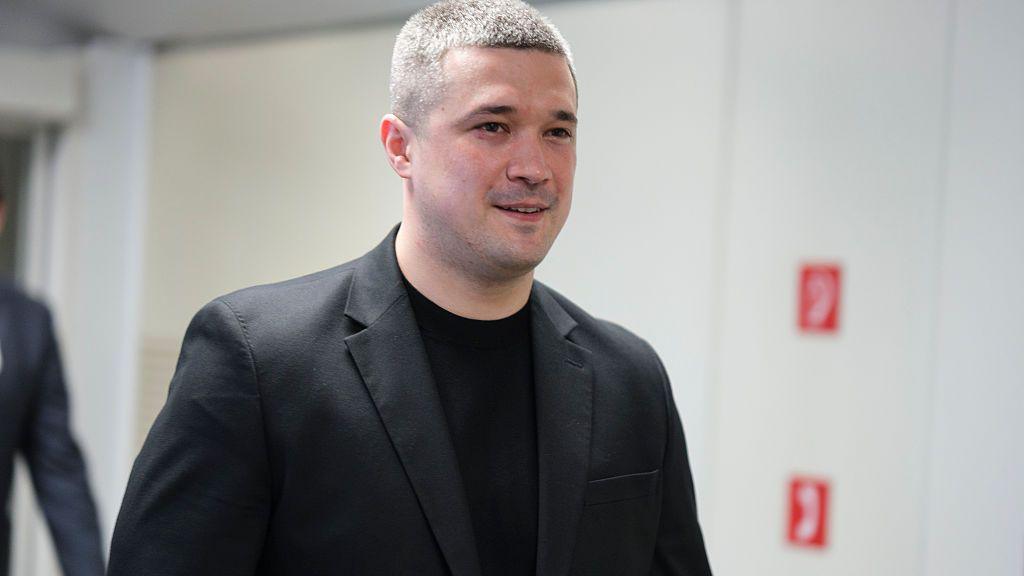
Fedorov’s tenure, though brief—he was appointed in January—was marked by an “IT Army of Ukraine” volunteer network, a successful fundraising campaign for drones, and the introduction of gamification for military units. He also requested that Elon Musk’s Starlink satellites be blocked from supporting Russian forces, drawing widespread praise for the disruption of Russian operations.
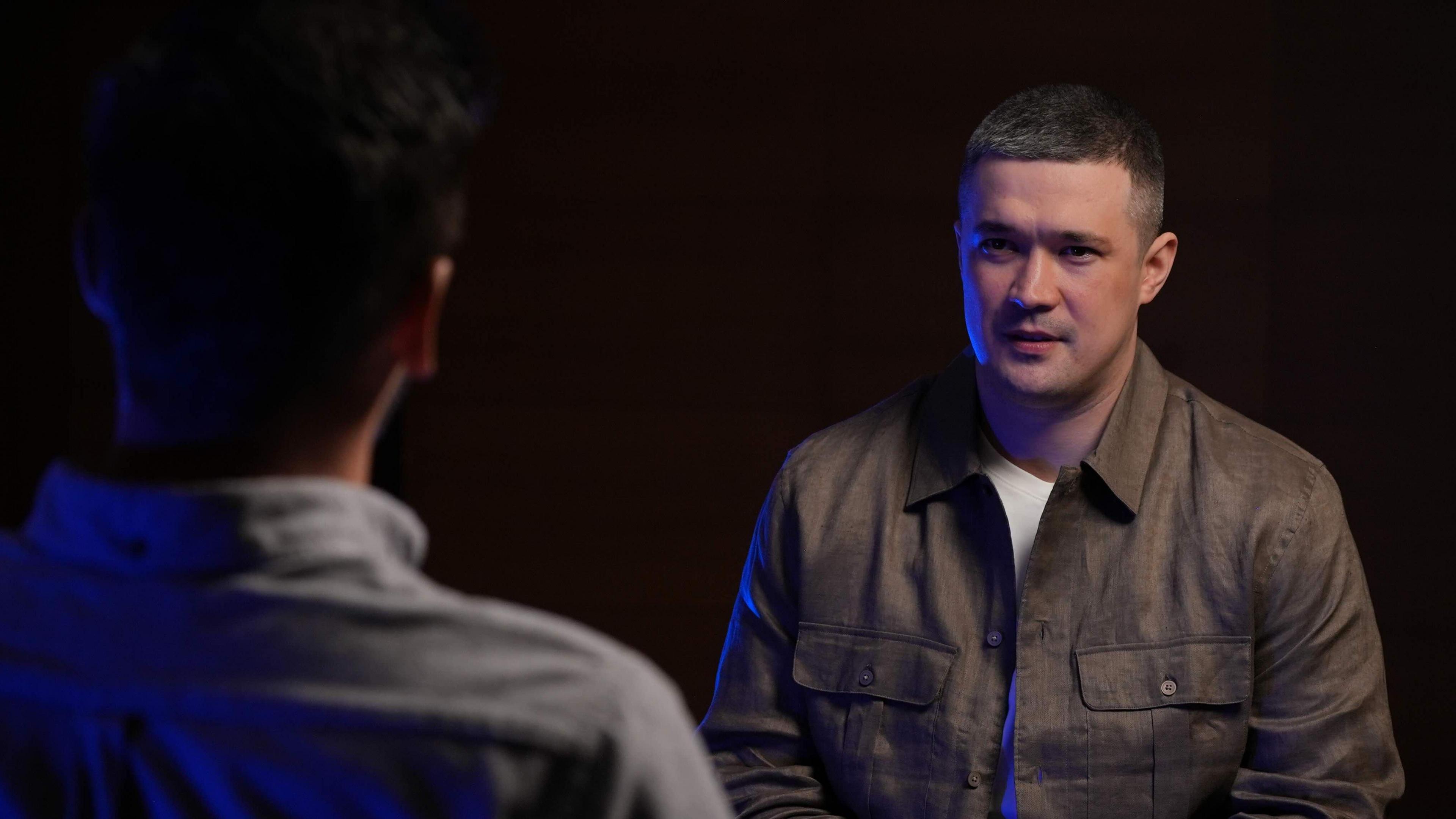
Speaking to a BBC interview, Maria Lavrynets, a 31‑year‑old protester, said, “We see Fedorov’s results. We see the motivation of the soldiers. We should stand for them.” She added, “People wanted to come out, and that’s right. I hear what society is saying.”
Former advisers and military commanders have also weighed in. Seagull‑style tech expert “Flash” lamented, “I had access to various systems and could analyse our enemy’s moves. I will no longer be able to do that.” Drone commander Pavlo Yelizarov resigned from his deputy role in the Ukrainian Air Force in protest, calling the removal of Fedorov a “great evil for the country's defensive capability.”
While the cabinet reshuffle also saw state oil and gas boss Serhiy Koretsky appointed prime minister after Yuliia Svyrydenko’s resignation, the core issue remains: would Ukraine lose the strategic edge that Fedorov’s high‑tech, asymmetry‑driven approach had built? The protests and parliamentary debate suggest a broad disquiet—among soldiers, officials and ordinary citizens alike—about what a new defence minister could accomplish, or at least how quickly the country might adapt to the newly appointed leadership’s vision for war and peace.