In brief
The resignation of Tata Sons’ chairman has left India’s flagship conglomerate without top leadership at a time of massive capital deployment and growing losses in its newer businesses. Gaining shareholders’ confidence and repairing the strained relationship with Tata Trusts will be key for any successor. The new chairman must balance heavy investment plans with pragmatic exits and reassure regulators that governance is intact. Internal talent is limited, and external candidates will need to quickly adapt to the diverse portfolio that spans automotive, aerospace, and technology.
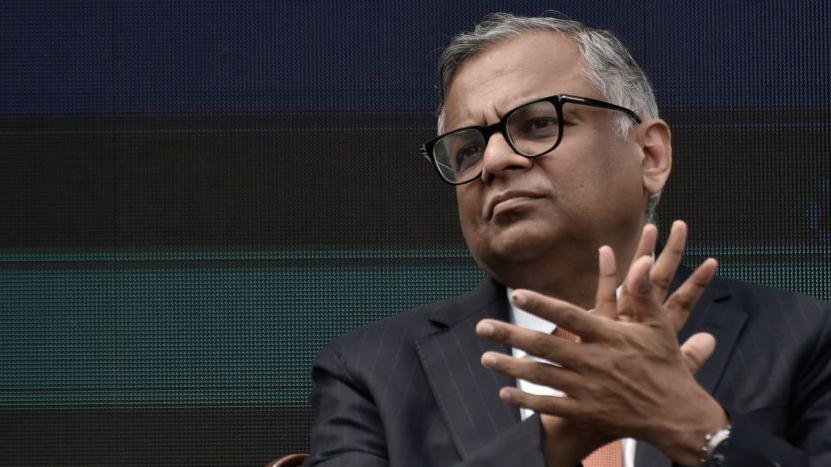
Tata Sons’ long‑lost chairmanship came to an end when N Chandrasekaran resigned on 12 August after a deadlock with Tata Trusts over the company’s future. The move has left the $300bn conglomerate without a figurehead at a time when it is pouring tens of billions of dollars into new, unprofitable ventures such as an Indian chip fab and electric‑vehicle batteries.
The disagreement centred on whether Tata Sons should be listed publicly and how capital should be allocated to its rising sectors – semiconductors, e‑commerce and aviation – all of which are experiencing heavy losses. The flagship software arm TCS, once the group’s cash‑cow, now contributes only about 85% of cash flows and is itself feeling pressure from the AI boom.
Experts say the next chairman will have to understand these new business models, absorb the risk, and decide whether to scale back or exit certain investments. Hetal Dalal of Institutional Investor Advisor Services warns that no “plug‑and‑play” candidate exists; the role demands a blend of board‑level governance skill, regulatory savvy and the ability to sit with the Trusts’ incumbent interests.
The search will also test the internal bench. Nirmalya Kumar – former strategy chief at Tata Sons – notes that while Tata Steel and Tata Motors run on autopilot, executives need to dig into the unprofitable models of the four unlisted businesses. He is concerned that internal candidates may lack the breadth required.
Investors face uncertainty as the company’s future direction is uncertain. The new leader will be expected to articulate when additional capital will be needed, when a break‑even point is likely and how the group will navigate its internal competition. He will also have to rebuild alignment between the Trusts, the controlling shareholder, and Tata Sons – a relationship that has been historically fluid under JRD and Ratan Tata but strained in the Cyrus Mistry era.
Prospective chairpersons will need to consolidate a coherent communication plan for stakeholders, because the group’s brand, while still iconic, has suffered from the revolving top‑management. This will involve reducing uncertainty rather than flooding markets with information. Minari Shah stresses that confidence comes from showing governance mechanisms are working and that business continuity is unaffected.
As of mid‑August, no formal succession roadmap has been released and the annual general meeting was adjourned owing to insufficient quorum. The lack of clear public statements from either Tata Sons or the Trusts leaves shareholders in a limbo that could pressurise the broader “Tata universe” of listed companies.
The story remains unsettled. While the search committee may still consider both internal and external candidates, the critical challenge will be to find a leader who can simultaneously manage the group’s sprawling and risky portfolio, maintain strong government ties, and restore harmony with the Trusts.