In brief
In a new executive order, President Trump imposes a 15% tariff on polysilicon and related imports to shield U.S. manufacturers from Chinese dominance. The measure comes after a security review of foreign polysilicon production and sets minimum import prices, with benefits slated for domestic producers Hemlock Semiconductor and Wacker Chemie. Critics argue the move stokes trade tensions, and China vows countermeasures on drones, printers, and other tech goods. The tariff will take effect in December, as the U.S. seeks to strengthen its position in the global AI and semiconductor race.
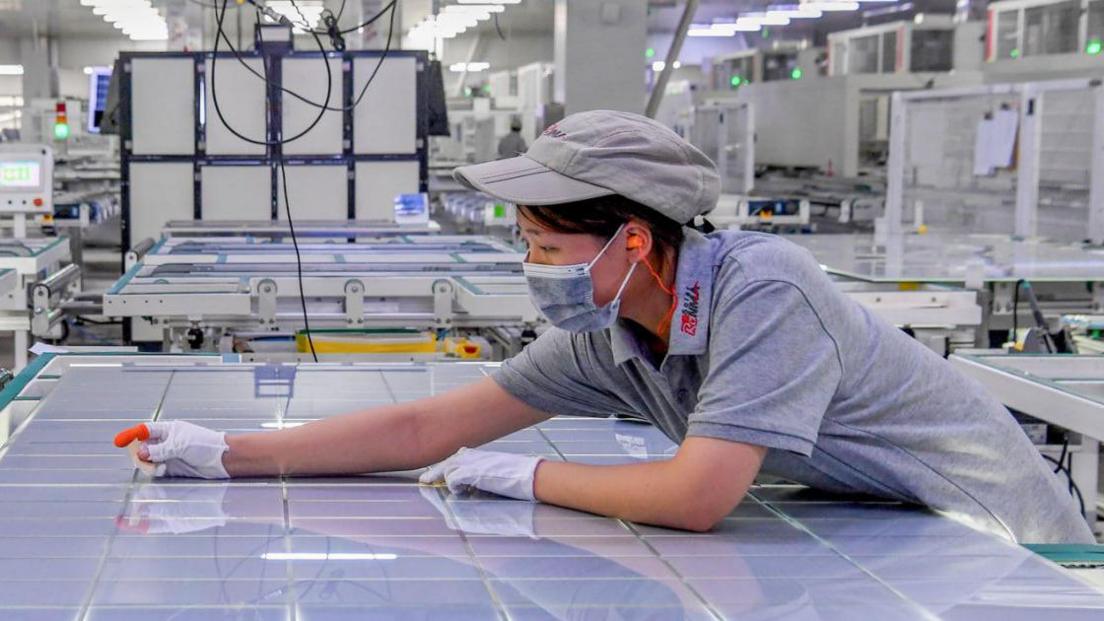
US President Donald Trump signed an executive order on Thursday imposing a 15% tariff on imported polysilicon—a key material for semiconductors and solar panels—and setting minimum import prices.
The order follows a national security investigation into overseas polysilicon production and aims to shield US manufacturers from mounting Chinese competition. The tariff is due to take effect in December, while the US will also provide incentives to boost domestic production.
China’s embassy warned that the tariff would "seriously disrupt" trade and that Beijing would respond to protect its companies. The move is part of Washington’s broader strategy to curb China’s role in critical technology supply chains, which has seen further restrictions on drones, humanoid robots and other tech items.
The policy is expected to benefit domestic producers such as Hemlock Semiconductor and Wacker Chemie, which are among the main polysilicon manufacturers in the US. Analysts say this is another escalation in the ongoing US-China AI race, accentuating the competitive dynamics in chip development.
China has already announced countermeasures, tightening export controls on drones and launching a national security review of imported printers and copiers. The US-China tariff war, already in a pause since May 2025, sees renewed tension as each side checks for strategic vulnerabilities.