In brief
Yann Vezilier, a French national convicted in Mali for attempting to sabotage President Assimi Goïta’s government, has been granted a presidential pardon by Mali’s junta chief. The decision comes amid a backdrop of escalating security crises and political tension in the former French colony, which has been battling Islamist insurgency since 2012. While France’s foreign ministry has described Vezilier’s alleged spying role as unfounded, Mali’s government stresses that the pardon does not negate the conviction, and the individual will be immediately expelled from national territory. The move raises concerns about Mali’s relationship with foreign powers and the stability of its continued rule, as the country has yet to hold promised elections and is extending its junta leadership through 2030. The pardon illustrates the complex interplay between foreign influence, internal militancy, and the fragility of governance in Mali.
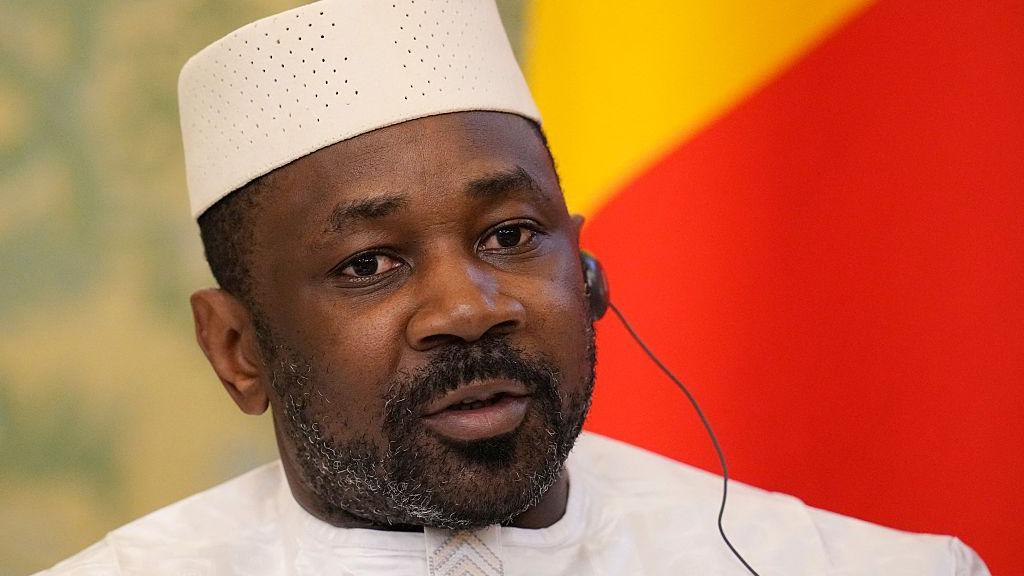
A French national who was sentenced to 20 years in prison in Mali for allegedly plotting a coup against the caretaker government has now been pardoned by the country’s president, President Assimi Goïta.
Yann Vezilier was charged a year ago with attempting to destabilise Go‑ïta’s administration on behalf of the French intelligence service, together with a cadre of army generals and soldiers. While Mali’s foreign ministry has said the accusations about Vezilier acting as a French spy were “unfounded”, the men’s pardon came with an immediate removal from the country.
This move is not yet explained by Mali’s leadership, and the nation’s security minister described the arrested individuals as “fringe elements of the armed forces” who had obtained foreign support to disrupt Mali’s republic. Mali remains embroiled in a security crisis fueled by Islamist insurgency since 2012 – a key reason cited for the 2021 coup by Go‑ïta.
The pardon does not negate the convictions, a statement by the Malian government noted, but the detainee will be expelled. France’s foreign ministry has not comment on the pardon, leaving observers to speculate whether the decision signals a shift in Mali’s diplomatic stance.
Rosetta: The executive dynamics in Mali highlight the fragile governance amid militant threats and the paramilitary pressures that shape its political future. The country thus continues to grapple with its security imperatives as it extended its junta’s rule until at least 2030, with a promised election still pending and a new anti‑government policy that has angered pro‑democracy advocates.