In brief
On Monday, the Iran‑linked Houthi insurgents announced a maritime embargo against Saudi Arabia, prompting at least seven oil tankers to make sharp U‑turns near Yemen. The moves, tracked by MarineTraffic, were timed to the embargo announcement and involved ships traveling to or from Saudi ports. The Red Sea, a crucial artery carrying roughly 15 % of global sea trade, saw a sudden reversal of course that could press freight rates and oil deliveries higher. Experts warn that a prolonged blockade could force Saudi exporters to reroute around Africa or the Mediterranean, further straining the energy market.
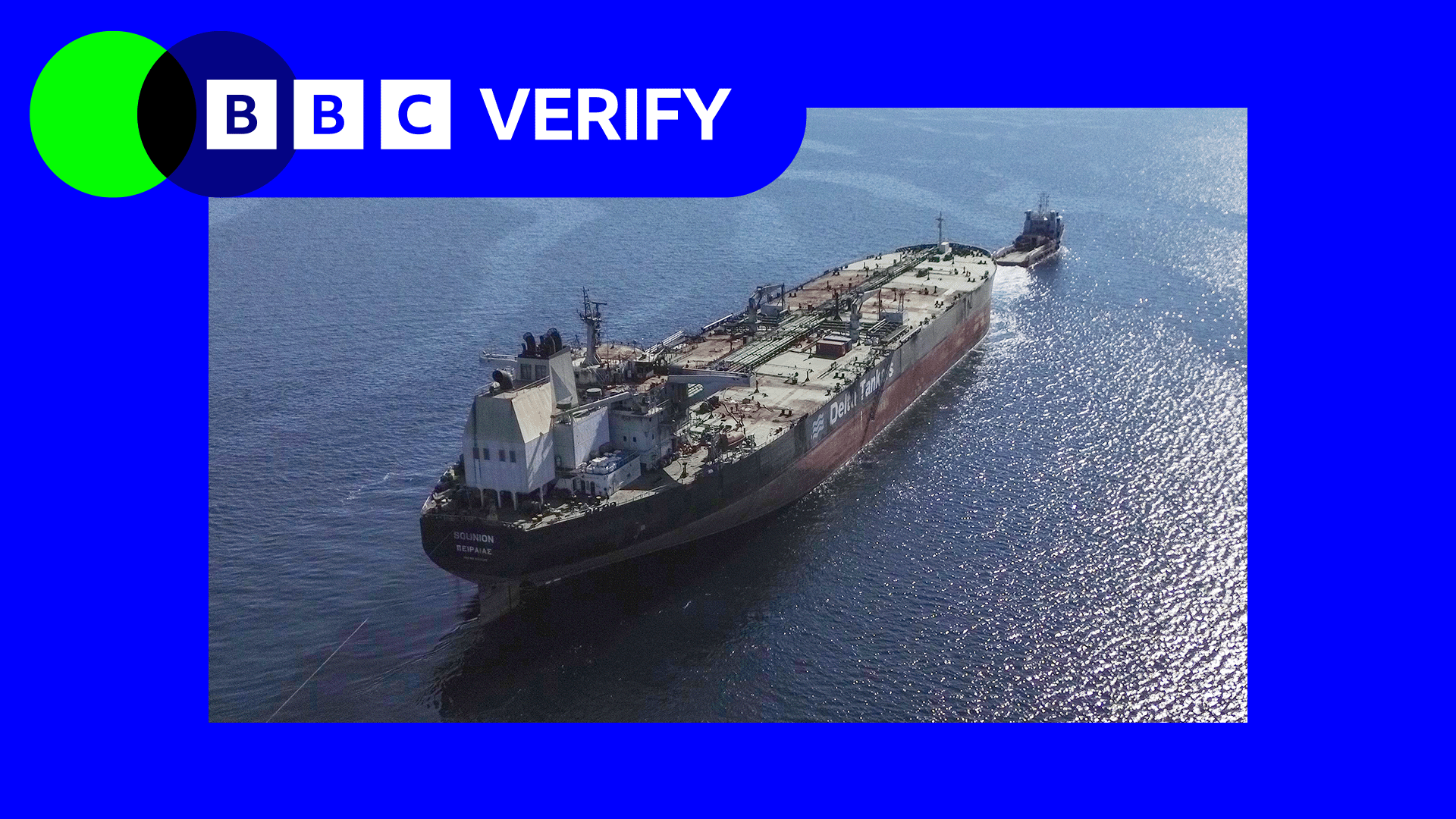
On Monday, the Iran‑linked Houthi insurgents announced a maritime embargo against Saudi Arabia, prompting a sudden chain of U‑turns by at least seven oil tankers near Yemen. The smoothed‑out sea‑traffic data from MarineTraffic shows the crude tanker Rodos, loaded with Saudi crude, turning north after heading toward the Bab al‑Mandab Strait, while the Liberian‑flagged Mica reversed course on the same day.
In addition, the Marshall Islands‑flagged vehicle carrier Liu Jiang Kou and the Hong Kong‑flagged tanker New Prime both altered their intended routes while sailing to Saudi ports, a timing that lines up perfectly with the Houthi embargo announcement. The emergency maneuvering is unprecedented in the region, given the Red Sea’s role as a conduit for roughly 15 % of worldwide maritime trade by weight, connecting the Gulf of Aden to the Mediterranean via the Suez Canal.
Since the United States and Israel entered war with Iran, the effective block of the Strait of Hormuz has already pressured oil flows by forcing Saudi exporters to shift 70 % of crude from the Gulf to the Red Sea’s Yanbu port via a new east‑west pipeline described in the latest map from Global Energy Monitor.
"The timing of these U‑turns is unmistakably tied to the embargo announcement," says Vanguard, a maritime risk‑management firm. Saudi Arabia’s key export route has suddenly faced another choke point, potentially driving freight costs up and raising global energy prices. According to Rosemary Kelanic of the US‑based Defense Priorities think‑tank, any further Houthi crackdown could cause prices to climb sharply.
Meanwhile, EU naval forces advised that merchant vessels linked to Israel, the United States or Saudi Arabia avoid transiting the Red Sea and Gulf of Aden until the threat level recedes. This restriction could halt a large portion of international maritime logistics in the region.
At least 50 vessels in the area are broadcasting that they have armed guards on board, a defensive move adopted in response to previous Houthi attacks that removed four ships, seized one, and claimed nine crews during the Gaza war. Crisis‑management expert Martin Kelly warns captains fear “misreading the situation,” potentially exposing large crude carriers to catastrophic damage.
For Saudi Arabia, the only viable alternative if the Bab al‑Mandab Strait remains closed would be to direct oil through the Mediterranean and around the African Cape of Good Hope, adding significant transit time and cost.
"We could weather the shock for weeks or even months, but the long‑term effect is higher freight rates, higher energy prices and ultimately higher consumer costs," adds Naveen Das, senior oil analyst at Kpler.