In brief
Saudi Arabia has steered a tight path amid the escalating US‑Iran conflict, carrying out strikes against Iranian‑backed militias in Iraq while trying to keep a distance from a full‑blown confrontation. Its new Vision 2030 agenda has made the Kingdom increasingly vulnerable to attacks on critical infrastructure, especially oil facilities. In addition to threats from the north, the southern Houthi rebels have tested Saudi air and maritime security, demanding the nation revise its deterrence strategy.
In the weeks since the US and Israel launched a campaign against Iran on 28 February, Saudi Arabia has maintained a fragile non‑involvement strategy. The Kingdom’s rapid pivot last month to joint strikes against Iranian‑backed militias in Iraq marked a turning point: the Saudis finally chose to respond to drone attacks on their southern border, demonstrating both restraint and retaliation.
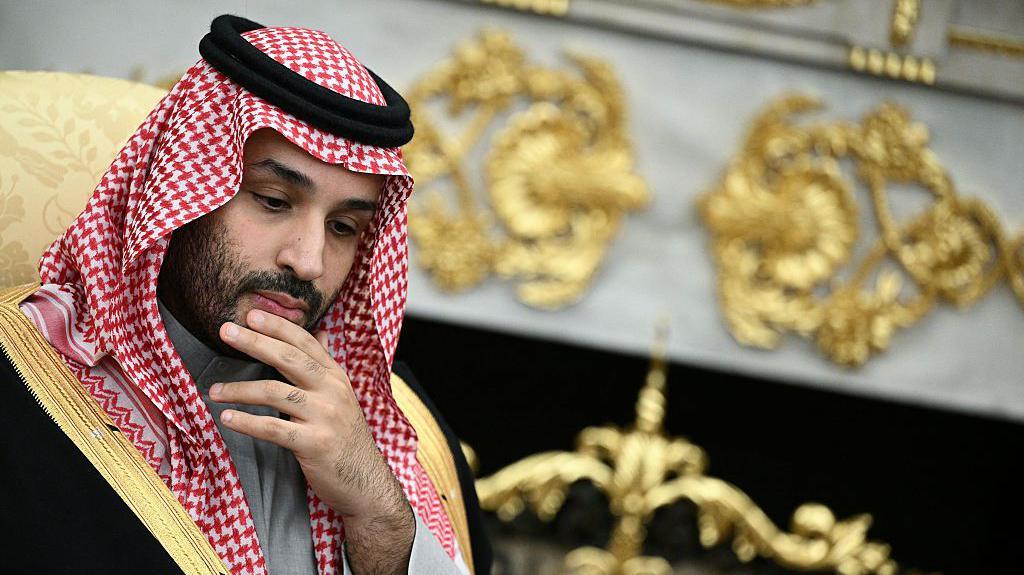
Saudi Arabia’s leader, Crown Prince Mohammed bin Salman, has pursued an ambitious Vision 2030 plan to diversify the kingdom away from a single‑source reliance on oil. That plan includes building data centres and expanding export pipelines—assets that are now under threat in a conflict that has stretched from Yemen to the Persian Gulf.
The policy’s vulnerability was highlighted earlier when Iranian‑aligned militias in Iraq launched drones on the Abqaiq and Khurais oil facilities, temporarily halting half of Saudi oil exports. The damage to regional shipping, especially through the Strait of Hormuz, and the increased activity of the southern Houthi rebels now test the limits of the Kingdom’s deterrent posture.
Cross‑border assaults from Iraq and Yemen have forced the Saudis to re‑evaluate their war‑fighting approach: should they continue retaliatory strikes or consider a negotiated de‑escalation to protect their economic interests? The stakes are high—any escalation could spill over into the broader Middle Eastern region and threaten global energy supplies.
While Saudi Arabia strives to avoid becoming a battleground, the current trajectory suggests that the king’s Vision 2030 may require significant recalibration to manage the new security reality. Until the US‑Iran standoff de‑escalates, Riyadh sits on a tightrope between survival and sovereignty.