In brief
A resolution to end a 20-year ban on mining in Minnesota's Boundary Waters has passed the House, moving to the Senate amid environmental concerns. The proposed mining project, backed by a Chilean company, raises fears of ecological damage, with opponents stressing the area's iconic wilderness value. Proponents argue it is vital for national mineral security. The resolution's approval would permit toxic mining in this protected area, and the Senate's next steps remain uncertain.
In a significant move that could reshape the landscape of Minnesota’s Boundary Waters Canoe Area Wilderness, Congressional Republicans are making strides to lift a 20-year ban on mining in the region. On Wednesday, the House passed a resolution aimed at extinguishing this moratorium, despite mounting warnings from environmental groups regarding its potential detrimental effects on one of the country’s cherished outdoor destinations.
The resolution will soon advance to the Senate, where its approval could set the stage for President Donald Trump’s signature, facilitating a controversial round of mining aimed at tapping into the rich mineral deposits located near the pristine wilderness.
Conservation advocates express serious concerns as the Chilean mining company, Twin Metals Minnesota LLC, considers the ramifications of reopening mining operations adjacent to the Superior National Forest, arguing that such actions may jeopardize the watershed and the ecological integrity of the area. Jackie Feinberg, Sierra Club’s national lands conservation manager, states, “This push by the Trump administration and their Congressional allies to allow toxic mining in the Boundary Waters watershed puts this fragile ecosystem at risk and is a clear giveaway to corporate polluters.”
A Beloved Destination for Outdoor Enthusiasts
The Boundary Waters consists of a remote expanse of forests, lakes, and wetlands stretching about 150 miles along the Canadian border. It has become a sanctuary for outdoor adventurers, drawing campers, hikers, and canoeists for years, with the U.S. Forest Service issuing approximately 776,000 visitor permits between 2020 and 2024.
The Biden Administration Banned Mining
In 2023, President Joe Biden placed a 20-year mining moratorium on nearly 400 square miles in the forest to protect the watershed from potential contamination caused by extracting minerals from the Duluth Complex, a rock formation rich in precious metals. The decision was met with fierce backlash from some Minnesota lawmakers who argue that it undermines job security and mineral sovereignty in the U.S.
Trump Pushes to Relaunch Mining Projects
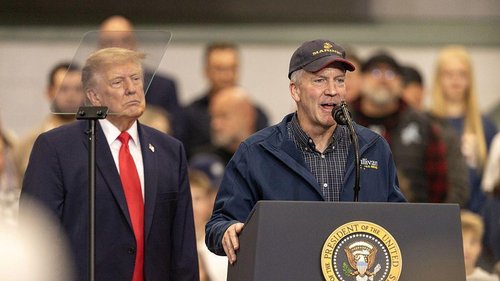
After reclaiming the presidency, Trump has emphasized the need for increasing domestic mineral production, reinstating favorable legal standings for Twin Metals to advance its exploration efforts. U.S. Representative Pete Stauber, a backer of the resolution to revoke the Biden-era restrictions, claims economic vibrancy and national security necessitate access to these essential resources, implying that relying on foreign entities for critical minerals poses a threat to American autonomy.
National Security or Toxic Threat?
As the battle lines are drawn, staunch debates continue to erupt around the implications of mining in such a vital ecological zone. While proponents state that mining is crucial for national security and domestic employment, many opponents maintain that the irreversible impacts on the wilderness are too great a sacrifice, warning that some places ought to remain untouchable.
Ultimately, the resolution passed with a narrow 214-208 vote in the House, reflecting the contentious nature of the issue. Stakeholders await how the Senate will respond, with many expressing trepidation about the potential legacy of allowing mining in such a delicate ecosystem.