Plane Crash on Beijing’s CITIC Tower: China Remains Silent
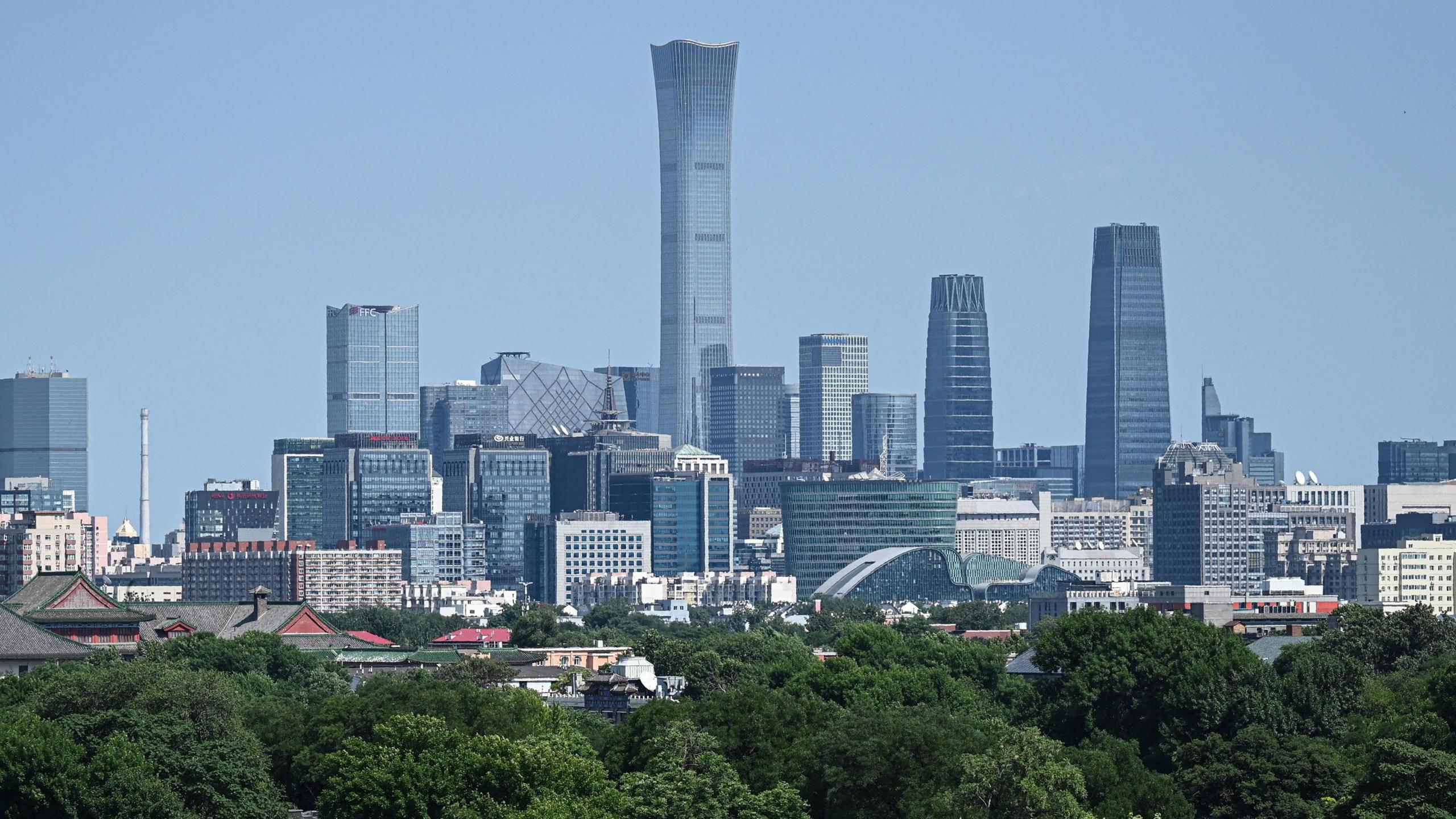
Four days after a light aircraft slammed into Beijing’s tallest skyscraper, killing the pilot and injuring 13 others, the Chinese government has released no reason or explanation.
A brief 60‑word report from state‑owned Beijing Daily is the only official statement. It notes the crash occurred just kilometres from Zhongnanhai, the Communist Party headquarters. The collision left holes on the tower’s side, which were subsequently boarded up.
Dramatic footage of the incident has been removed from the internet and photographs of the CITIC Tower, which are unrelated to the crash, have also been taken down from Chinese social media. The building, known locally as a lucky charm, was unexpectedly censored as officials appear unsure of the event’s implications.
Multiple aviation firms in China confirmed that light aircraft operations have been suspended since the incident, but declined to elaborate, citing instruction not to discuss the matter. Beijing enforces a permanent no‑fly zone of about 100 square kilometres over its political core, covering Tiananmen Square and Zhongnanhai. The plane, an Aurora SA60L from Sunward Aircraft, was a two‑seat, single‑engine model used for touring and recreational aviation.
Experts warn that the crash highlights major security lapses, as a small aircraft could have potentially reached Zhongnanhai. Comparisons to historic breaches – such as the 1987 Russian pilot landing near Moscow’s Red Square – raise the possibility of leadership changes. The incident also foreshadows potential heightened scrutiny of airspace control and public safety protocols amid an already stringent regulatory environment.