In brief
A sudden flood on the Nepal‑Tibet frontier sent torrents of water through Gyirong Port, thick mud and shattered structures filling the scene. While the footage has flooded global social media, China’s state‑controlled media have shown only a single still frame, and the digested reports are heavily filtered. Rescue teams, led by top officials including President Xi Jinping, are on the ground, yet the story remains veiled to domestic viewers by the state’s emphasis on stability. Over 400 casualties have been reported, but there are no firsthand accounts reaching the public, with Chinese authorities declared content to be scrapped. Journalists find the censorship a barrier to understanding the true scope of loss in Tibet, a region already contentious under Beijing’s governance.
By Laura Bicker, China correspondent, reporting from Beijing
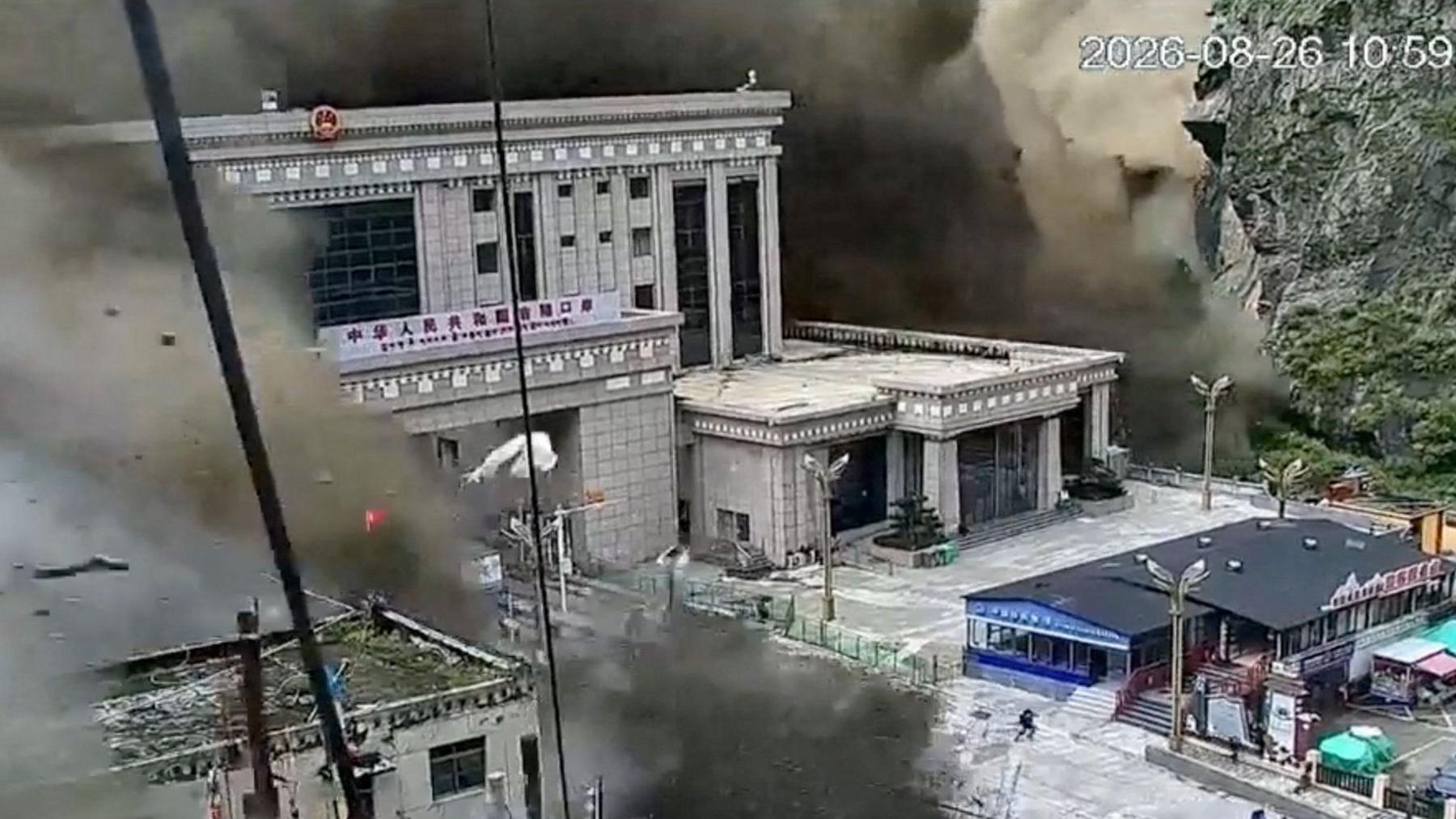
A sudden torrent of water poured through Gyirong Port, the principal border crossing between Nepal and Tibet, sweeping mud, rocks and people as they tried to flee. The chaotic scenes were captured on CCTV cameras and quickly became viral footage across the globe, a stark visual of the disaster’s ferocity.
Within China, the footage is censored. State‑run media have only released a single still frame, and full videos are scarce on domestic platforms. The authorities’ decision to limit the visual evidence reflects a broader strategy: preserving social stability by curbing coverage that could fuel unrest.
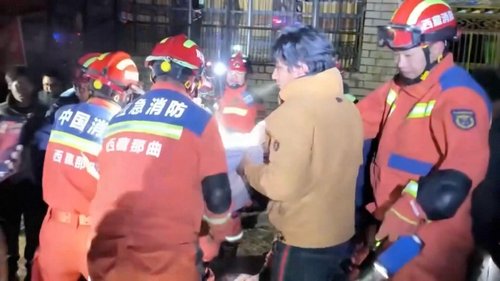
The Chinese government has mobilised a vast rescue operation, with hundreds of emergency workers and the president’s emergency meeting headed by Xi Jinping. The Premier, Li Qiang, visited the flood zone the same day, inspecting debris removal and the risk of a barrier lake breaking.
Yet even as the state broadcasts dramatic rescues, vital details remain hidden. There are no survivor testimonies from Tibet, no raw footage beyond the brief clip, and families outside the region struggle to receive updates. The International Campaign for Tibet has called for full disclosure of damage and casualties, warning that the removal of information can deepen distrust.
The censorship underscores the sensitivity surrounding Tibetan affairs—a region Beijing annexed in the 1950s and one where dissent is heavily policed. With the flood’s death toll still rising, the lack of transparent reporting leaves a symbolic silence that speaks volumes about the state’s messaging priorities.
The state’s effort to keep the flood under tight control is part of a broader narrative that prioritises stability over transparency. As the disaster continues to sap lives in the Himalayas, journalists outside China find themselves navigating a landscape where speaking up can lead to arrest or censorship, revealing another layer of tension between the people of Tibet and their government.