In brief
As global temperatures climb, heat‑related deaths rise. In Phoenix, Arizona, a comprehensive program—introducing a heat officer, cooling centres, and AC subsidies—has cut deaths from 645 to 405 in five years. The county’s evidence‑based approach shows how other cities can replicate its success to safeguard residents against brutal summer storms.
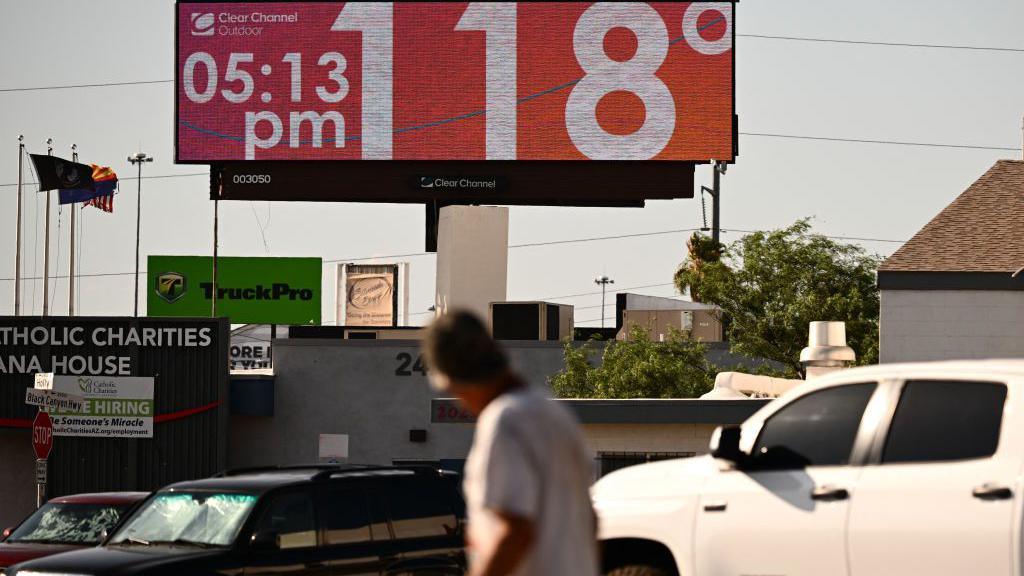
In a world where heatwaves are becoming hotter, hotter, and longer, Phoenix, Arizona has turned a strategy into a testament. The city’s initiatives—originally forged to keep residents safe from blistering temperatures—show that thoughtful policy can shave hundreds of lives off the death toll each hot summer.
When summer turned sweltering in 2023, Maricopa County recorded a record 645 heat‑related deaths. By 2025 that number had fallen to 405 thanks to three core ideas:
- Hiring a dedicated heat officer in 2021 to coordinate citywide cool‑spending plans and public messaging.
- Opening cooling centres that run 24h on hot days, especially in low‑income and homeless communities.
- Providing eligible households with air‑conditioning repairs or upgrades on the county budget.
Dr. Jennifer Marlon of Yale notes that Phoenix’s experience is “a case study that proves one can actually reduce the heat death count.” And the data is backing it: after the policy changes, the trend in deaths has plateaued and even reversed in recent years.
Yet the work is far from finished. As of mid‑July, 2025 Maricopa County recorded 23 confirmed heat‑related deaths with 282 more under investigation—highlighting the urgent need to keep funds, policies, and public awareness sharp.
Can Arizona’s Success Be Replicated Elsewhere?
University of Arizona’s Heat Resilience Initiative Director Ladd Keith urges other cities to appoint a heat officer, someone tasked with ensuring no department is left out of the conversation. “If it’s no one's responsibility, then no one will address it,” he says. The result is clearer communication and a unified approach to cooling infrastructure.
Heatwaves are a realistic, long‑term threat. The warming of our planet by over 1.1 °C since the industrial era means hotter summers will become the norm, not the exception. Roads buckle, flights delay, and power grids overload— economic and infrastructure costs stack up as fast as health costs.
Ultimately, cities must treat heat as a health, infrastructure and economic crisis. A coordinated approach—right down to the power to drop a cooling patch in a city—may be the only way to protect the most vulnerable in an era of relentless heat.
Free air con? US cities look at new ways to prevent heat deaths | More than 2,700 people may have died in exceptional May and June heatwaves in England and Wales | France records 2,025 excess deaths at peak of heatwave as Europe braces for more extreme weather