In brief
Arab Israelis are gearing up for a crucial vote in Israel’s general election, with Arab parties potentially holding the balance of power against Benjamin Netanyahu’s coalition. Youth-led campaigns in Nazareth are urging voters to support the Joint List and United Arab List, while civil‑rights activists highlight systemic discrimination and high gang crime rates affecting Arab communities. Recent court rulings have reinstated Arab parties that were threatened with disqualification, refreshing hopes that their participation could reshape the government’s composition. The stakes are high, as Arab voters see the election as a chance to demand greater inclusion and security for their communities.
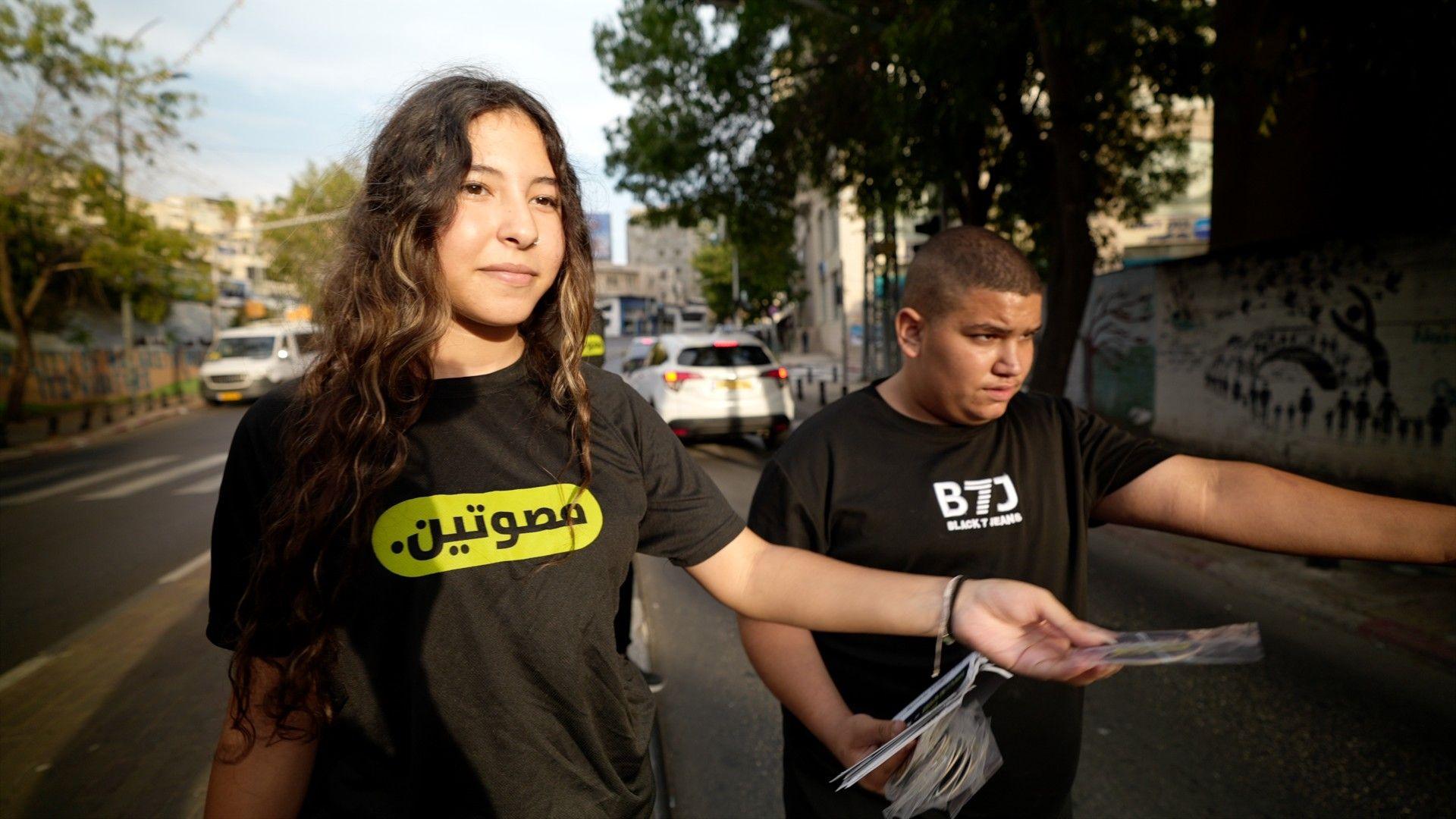
At rush hour in Nazareth, the largest Arab‑majority city in Israel, young activists drive through town with flyers that spell out a common message: break the right‑wing coalition and secure rights for Arab citizens.
Arab Israelis have long been under‑represented in polls, but this campaign is fueled by a resolve to remove Prime Minister Benjamin Netanyahu’s far‑right government, which has been accused of treating Arabs as second‑class citizens. The political landscape is sharpened by the recent war in Gaza and the ensuing mistrust towards the Arab minority.
Opinion polls indicate that neither Netanyahu’s bloc nor the centre‑right “Change Bloc” led by Gadi Eisenkot can secure a clear majority. In that vacuum, Arab‑list forces—primarily the Joint List (Hadash, Balad, Taal) and the United Arab List (led by Mansour Abbas)—could become kingmakers, holding the difference between a government that includes them or not. Their influence is largely contingent on forming alliances that cross the Jewish‑Arab divide, a prospect that Eisenkot has largely dismissed in the past.

For many Arab citizens, the election is more than a political contest; it is a test of survival and dignity. Activist Suha Salman Mousa highlights a climate of “systematic discrimination and incitement” and cites reduced budgets for Arab communities and arrests tied to anti‑war dissent. Meanwhile, the increase in gang violence—252 murders last year compared to 50 among Jewish Israelis—features prominently on Arab voters’ ballots.
The Supreme Court’s recent ruling overturned a Central Elections Committee decision that had aimed to disqualify the Joint List, United Arab List, and some of their candidates, citing alleged anti‑Israel statements. The court’s decision restores their legal standing and amplifies Arab voices before the counting day.

With the election’s deadline just a day away, Arab voters are swearing to enlist their commuters in the fight, placing flags on cars and confronting motorists on the wayside. Whether the Arab electorate will ultimately decide Israel’s governing coalition remains uncertain, but the stakes are unmistakable: a Pacific and a struggle for equality, security and broader representation in an increasingly divided nation.