In brief
Indonesia is battling its most severe wildfire season in a decade, with peat fires driving thick toxic haze across the region and beyond. Peat, a layer of partially decomposed plant matter, burns quietly underground, releasing massive amounts of carbon dioxide, fine particulates and black carbon that linger for weeks. The resulting haze poses health risks to millions and undermines economic and environmental stability. BBC's Liza Tambunan clarifies the physics of peat combustion and why containment is so challenging, underscoring the urgent need for regional and global action.
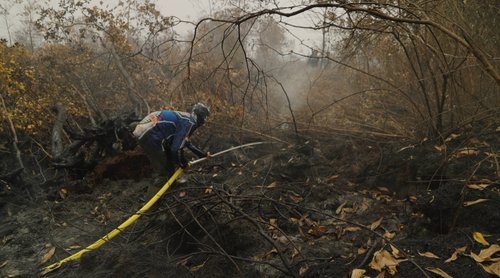
BBC journalist Liza Tambunan is in central Kalimantan, where Indonesia is facing its worst wildfire season in a decade. The deadly plume of smoke has spread across the region and even reached Singapore and Malaysia.
The fires live in peatlands – deep layers of partially decayed organic material – and they burn long after the flames are seen. When peat ignites, it releases enormous amounts of carbon dioxide, black carbon, and fine particulate matter that linger in the atmosphere for weeks.
The haze choking millions of residents carries toxins that can enter the lungs and eye irritants, and in severe cases cause cardiovascular problems. It also threatens Indonesia’s future economic growth by damaging forests that store millions of tonnes of carbon.
Tambunan explains why peat fires are so difficult to extinguish, why they can resurface during the dry season, and what the global community can do to curb their devastating impact.