Lebanon is grappling with an ongoing war, having recently initiated talks with Israel without significant leverage. President Joseph Aoun's previous optimism appears strained as Hezbollah retains its influence over major population segments, complicating disarmament discussions.
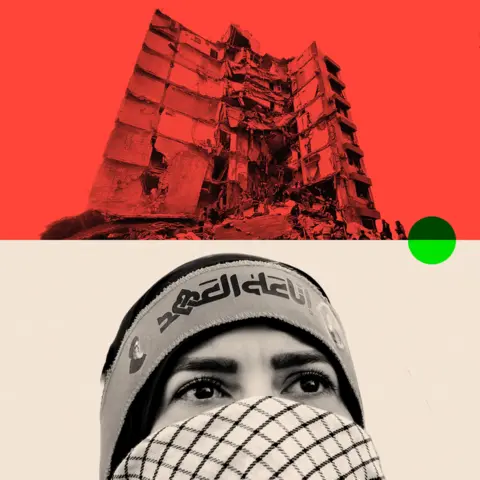
The fragile ceasefire established after the 2024 conflict is increasingly threatened by Israeli airstrikes, which aim to counter perceived Hezbollah aggression. Despite proposing direct negotiations, Aoun confronts skepticism about his government's capacity to influence or disarm the militant group that many Lebanese view as crucial to their defense against Israel.
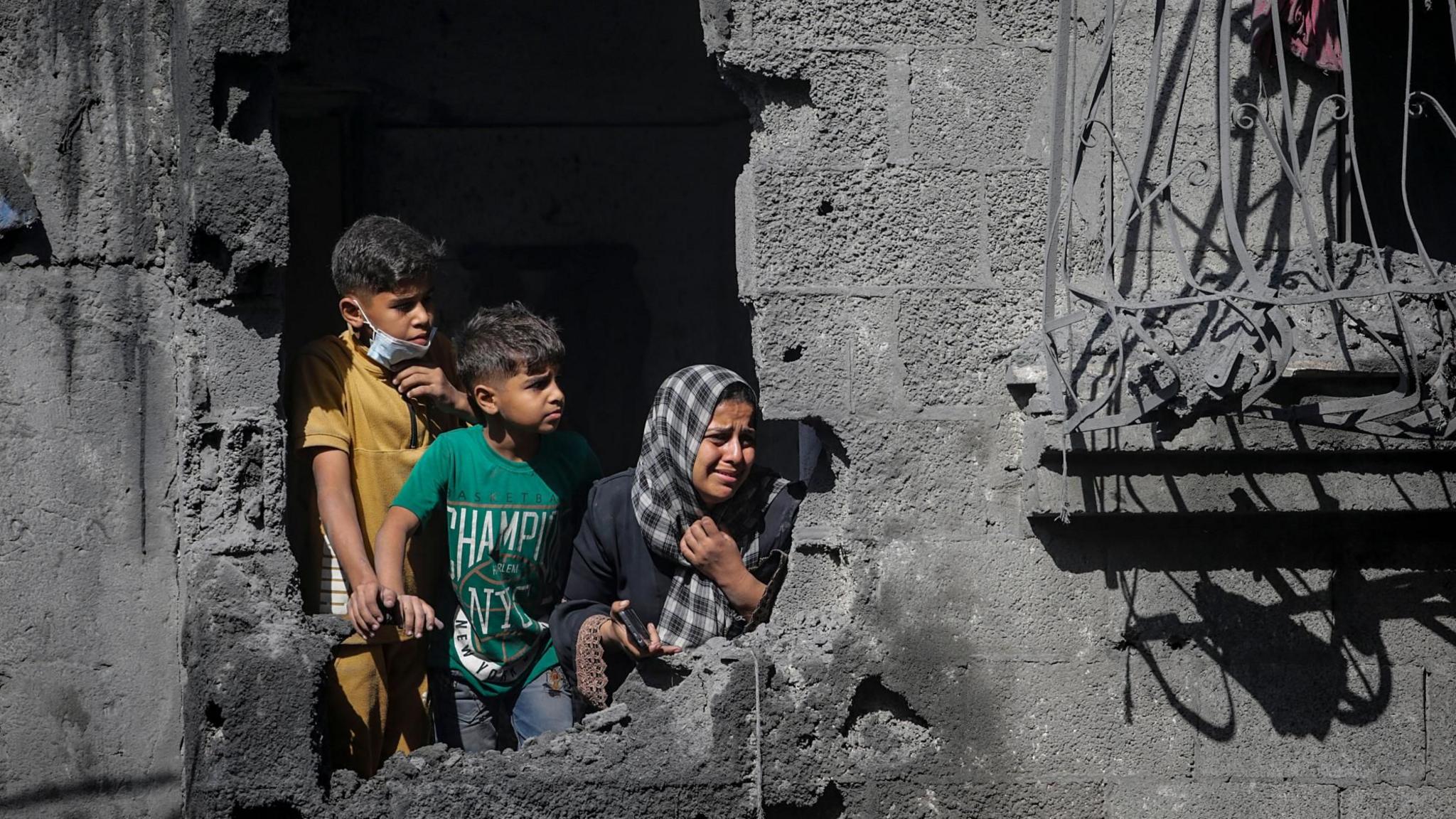
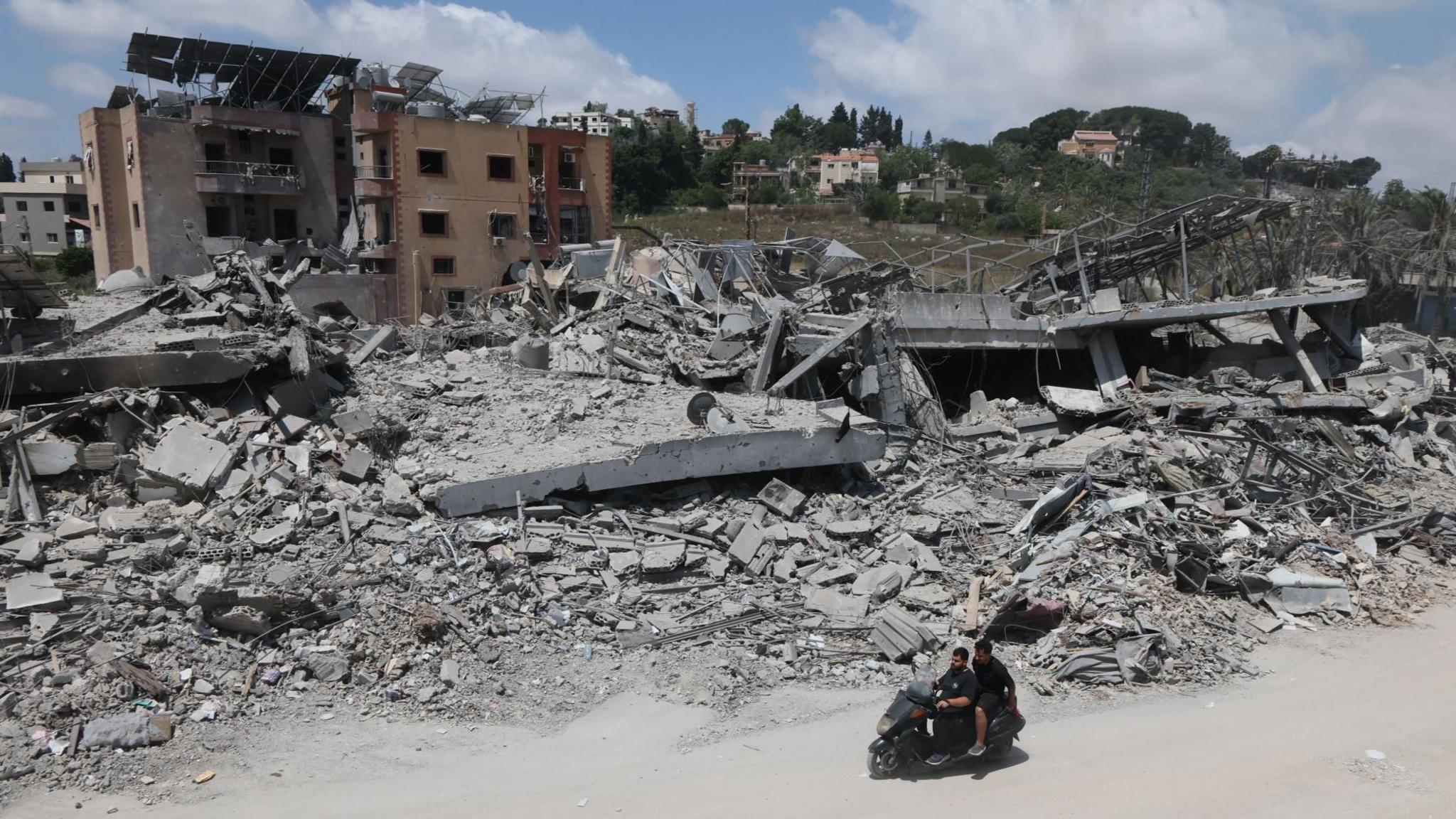
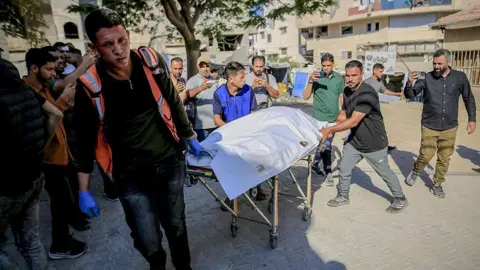
As Hezbollah rockets retaliate against Israeli actions following the assassination of Iran's supreme leader, the situation escalates, further underscoring Lebanon's precarious position. With an estimated 1.2 million displaced people since the conflict reignited, community tensions rise as perceptions of security dissipate amidst the relentless waves of violence.
While Hezbollah asserts its role as a protector against Israeli incursions, internal divisions persist, particularly among Lebanon's diverse religious sects. Amidst these challenges, many fear that attempts to disarm Hezbollah could exacerbate societal fractures, pushing the country back towards a civil conflict.
In this dire context, the Lebanese government seems to hold few cards in negotiations with Israel, and finding a sustainable resolution appears increasingly elusive.