In brief
In a strategic move deep into Lebanese territory, Israeli forces seized Beaufort Castle and are evacuating residents south of the Litani River. Prime Minister Benjamin Netanyahu heralds it as a ‘decisive shift,’ while the UK, France, Germany, and Lebanon’s government warn of collective punishment and escalating war. The move comes amid a cycle of Hezbollah missile attacks, Iranian‑backed drone raids, and a fragile, repeatedly‑extended cease‑fire. The fighting continues to cost lives and displace thousands.
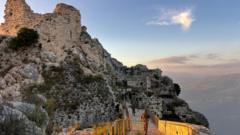
[ "## The New Frontline Opens at BeaufortIsraeli forces crossed the Litani River this week, reaching the historic fortress of **Beaufort Castle** on the ridge overlooking southern Lebanon. From the National Geographic‑like canvas above it, the castle’s keep looms—a silent sentinel that has watched over the Lebanese valleys for 900 years.Prime Minister Benjamin Netanyahu, addressing the nation, called the operation a **“decisive stage”** and a **“decisive shift”** in Israel’s strategy against Hezbollah. We have broken the barrier of fear, he said, adding that Israel would continue to advance in Syria, Gaza, and Lebanon.In the courtyard of the castle, Israeli ground troops now control a foothold just 14.5 km (nine miles) from the Israeli border, a position Israel relinquished last year when it pulled out of the self‑declared safe zone.## New Evacuation Orders and Rising FearFollowing the capture, the Israel Defense Forces (IDF) warned civilians to evacuate **all territories south of the Zahrani River**—including Marrash, Nabatieh, and parts of Tyre. The IDF’s spokesman said: Anyone near Hezbollah elements or means of combat endangers their life. The evacuation was the second command in a few days, signaling that ground troops are moving ever deeper into Lebanese territory beyond the Litani River.Lebanon’s Prime Minister Nawaf Salam denounced Israel’s advance as a **“scorched‑earth policy and collective punishment.”** Interior‑minister statements describe a “major escalation” that has displaced thousands and destroyed infrastructure.#### International Voices of Alarm- **UK**: Foreign Secretary Yvette Cooper called for the conflict to end, stressing the humanitarian toll and urging Israel and Hezbollah to halt attacks.- **France**: President Emmanuel Macron demanded the cease‑fire be upheld and weapon systems be silenced, while Foreign Minister Jean‑Noël Barrot called Israel’s advance a “major mistake.”- **Germany**: Foreign Minister Johann Wadephul warned the escalation would generate new displacement waves in Lebanon.All European allies have also expressed concern about civilian casualties, the destruction of health facilities, and the paradoxical nature of cease‑fire agreements that break down with frequent viols between Israeli strikes and Hezbollah attacks.## Between History and Modern Conflict**Beaufort Castle** was first seized by Israeli forces in 1982 during the First Lebanon War, an encounter against the Palestine Liberation Organisation that marked Israel’s entry into southern Lebanon. After a decade of occupation, Israel withdrew in 2000. Today, it holds the castle again and claims it is a pivotal step in protecting Israeli communities north of the border.The Israeli Defense Forces say their expansion is part of a broader response to “Iran‑backed” Hezbollah missile and drone attacks on Israeli personnel and communities along the border.In the week’s unfolding events:- 13 Lebanese health‑care workers were injured after an airstrike near Hiram Hospital in Tyre.- 25 alleged Hezbollah rockets hit the area, prompting calls from opposition Israeli politicians for stronger protection of border defenders.- Israeli soldiers continue testing tactical ground offensive maneuvers as a stall on the cease‑fire is under negotiation in Washington.## Humanitarian ConsequencesMore than 3,300 people have reportedly been killed in Lebanon’s 44‑day conflict, with 25 Israeli fatalities. The latest evacuation orders highlight a population that is increasingly forced to abandon homes as the IDF pushes farther into southern Lebanon. Schools on the Israeli side of the border have closed, and international aid agencies are looking for fresh corridors to deliver supplies.Despite the unprecedented displacement, the Israeli narrative frames the operation as securing a **buffer zone** to reduce Hezbollah incursions. The Lebanese government, however, insists that the territory’s occupation is a form of collective punishment that undermines any prospects for a durable peace.## Looking AheadThe Fourth round of negotiations between Israeli and Lebanese delegates is scheduled for this week in Washington. An exclusive virtual press conference in Metaworld will allow journalists to step into the reconstructed scenes at the Litani Valley, view the movement of troops and civilians in a simulated 3‑D environment, and interact with live transcripts of the political statements.As the crisis marches forward, the international community watches a fragile cease‑fire unravel while Israel claims its move brings stability for neighboring communities. For residents of southern Lebanon, the next few days could mean forced relocation, heightened violence or an unexpected cease‑fire.---*Source: BBC News analysis updated with latest military and diplomatic statements.*" ]