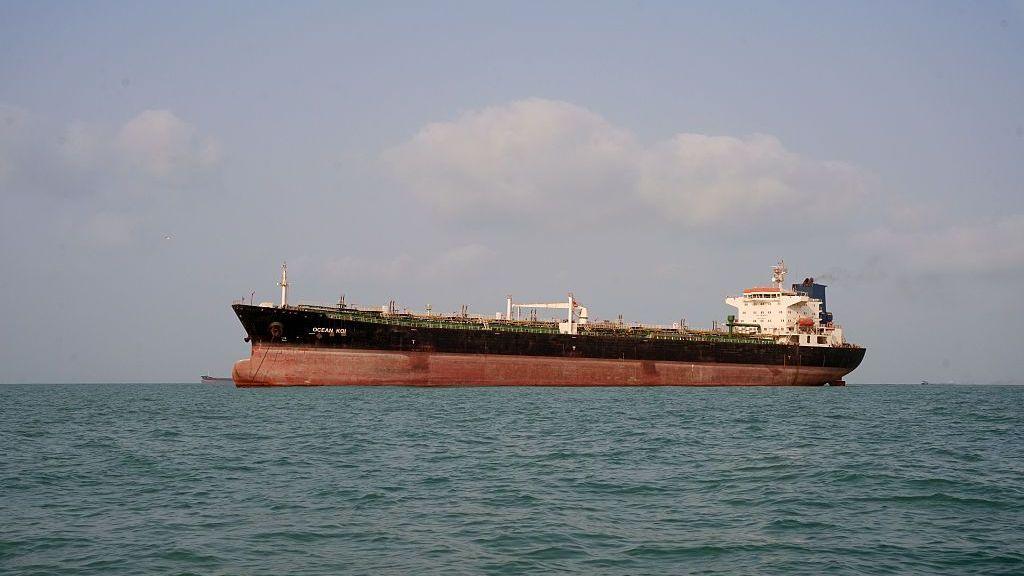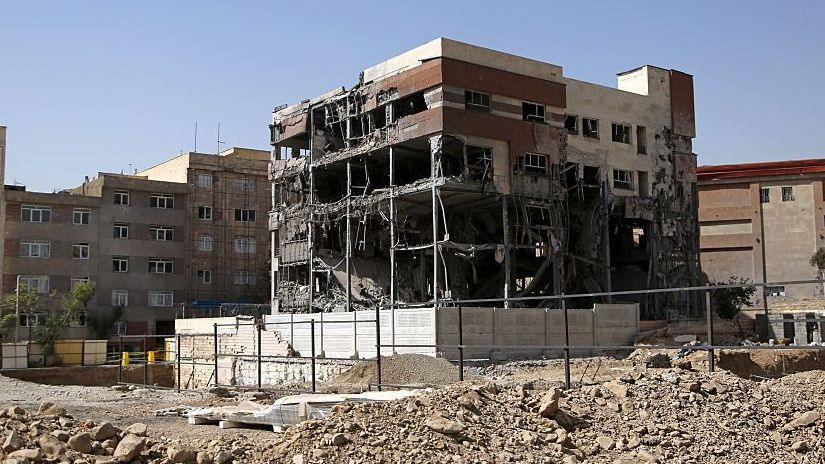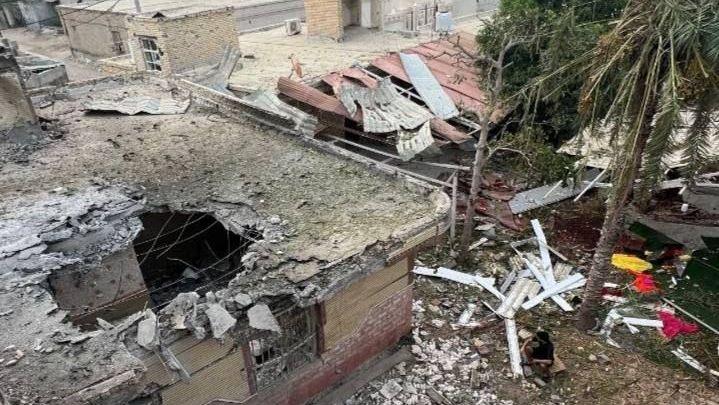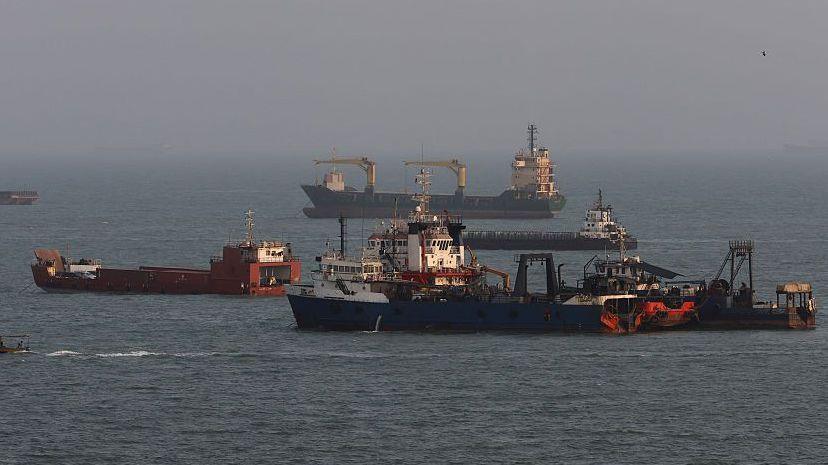
The U.S. Central Command announced today that its forces had flown out and struck Iranian missile sites and boats attempting to mine the waters around Bandar Abbas, the southern port city that sits just outside the Strait of Hormuz. The official statement emphasized that the attacks were undertaken “in self‑defence” and “to protect U.S. forces from threats posed by Iranian forces.”
Captain Tim Hawkins, the spokesperson for Central Command, told reporters that the U.S. military remains engaged in “defending our forces while using restraint during the ongoing cease‑fire” between the two sides. He added that the strikes were aimed at a location near Bandar Abbas, on an Iranian naval base that has been a focal point in a recent naval clash that the U.S. described as a “rising standoff” over the Strait.
Although there has been a lull in direct conflict since the cease‑fire was proclaimed on 8 April, the maritime balance remains precarious. Iran has maintained a tight grip over traffic through the Strait of Hormuz, while U.S. forces have tried to restrict access to Iranian ports in a bid to deter further escalation.
West of the Gulf, the U.S. and Israel had launched an earlier wave of strikes on 28 February which triggered Iranian retaliation against Israel and U.S.‑allied states, followed by the Iranian closure of the Strait. Oil prices spiked in response to the disruption, and the region’s logistics chain has grown more uncertain.
Amid this volatility, U.S. Secretary of State Marco Rubio has reiterated that a deal with Iran is still possible, noting that the talks between Iran’s top negotiator, foreign minister, and Qatar’s prime minister could pave the way for a 60‑day cease‑fire extension, the reopening of the Strait, and a restart of negotiations on nuclear safeguards.
“I’m sure we can make progress,” Rubio said to reporters during an official visit to India. “We’re talking over the language of the initial document — it will take a few days.” Trump, who earlier said he wanted a “good deal” or nothing, has driven home the same sentiment to allies on the sidelines, underscoring the high stakes.
Meanwhile, the U.S. intelligence community stresses it is unclear whether Iran’s Supreme Leader, Mojtaba Khamenei, remains accessible to envoy channels following a prior Israeli strike that wounded the Iranian leadership. One consequence is a slower pace in negotiations, which still depend on a delicate balance of security concerns and diplomatic promises.
Iran’s nuclear enclave reportedly still holds about 440 kg of uranium enriched to 60 % — close to weapons‑grade 90 % — and Trump has threatened that the U.S. will either demand immediate surrender of the material or pressure the Iranians to destroy it in place. Such a reversal would have a profound impact on both the security calculus of the U.S. and the terms that could be secured in a negotiation round.
In the virtual world, metaworld.media’s avatars can attend a live briefing streamed from the U.S. Central Command base, watch interviews with diplomats at the U.N., and even explore a 3‑D reconstruction of Bandar Abbas and the Strait of Hormuz. Characters navigating the scene can gather intel, debate policy, or simply gaze at the oil‑laden horizon. With such interactivity, the audience moves beyond passive news‑reading and into immersive situational awareness of a rapidly evolving geopolitical crisis.
Captain Tim Hawkins, the spokesperson for Central Command, told reporters that the U.S. military remains engaged in “defending our forces while using restraint during the ongoing cease‑fire” between the two sides. He added that the strikes were aimed at a location near Bandar Abbas, on an Iranian naval base that has been a focal point in a recent naval clash that the U.S. described as a “rising standoff” over the Strait.
Although there has been a lull in direct conflict since the cease‑fire was proclaimed on 8 April, the maritime balance remains precarious. Iran has maintained a tight grip over traffic through the Strait of Hormuz, while U.S. forces have tried to restrict access to Iranian ports in a bid to deter further escalation.
West of the Gulf, the U.S. and Israel had launched an earlier wave of strikes on 28 February which triggered Iranian retaliation against Israel and U.S.‑allied states, followed by the Iranian closure of the Strait. Oil prices spiked in response to the disruption, and the region’s logistics chain has grown more uncertain.
Amid this volatility, U.S. Secretary of State Marco Rubio has reiterated that a deal with Iran is still possible, noting that the talks between Iran’s top negotiator, foreign minister, and Qatar’s prime minister could pave the way for a 60‑day cease‑fire extension, the reopening of the Strait, and a restart of negotiations on nuclear safeguards.
“I’m sure we can make progress,” Rubio said to reporters during an official visit to India. “We’re talking over the language of the initial document — it will take a few days.” Trump, who earlier said he wanted a “good deal” or nothing, has driven home the same sentiment to allies on the sidelines, underscoring the high stakes.
Meanwhile, the U.S. intelligence community stresses it is unclear whether Iran’s Supreme Leader, Mojtaba Khamenei, remains accessible to envoy channels following a prior Israeli strike that wounded the Iranian leadership. One consequence is a slower pace in negotiations, which still depend on a delicate balance of security concerns and diplomatic promises.
Iran’s nuclear enclave reportedly still holds about 440 kg of uranium enriched to 60 % — close to weapons‑grade 90 % — and Trump has threatened that the U.S. will either demand immediate surrender of the material or pressure the Iranians to destroy it in place. Such a reversal would have a profound impact on both the security calculus of the U.S. and the terms that could be secured in a negotiation round.
In the virtual world, metaworld.media’s avatars can attend a live briefing streamed from the U.S. Central Command base, watch interviews with diplomats at the U.N., and even explore a 3‑D reconstruction of Bandar Abbas and the Strait of Hormuz. Characters navigating the scene can gather intel, debate policy, or simply gaze at the oil‑laden horizon. With such interactivity, the audience moves beyond passive news‑reading and into immersive situational awareness of a rapidly evolving geopolitical crisis.