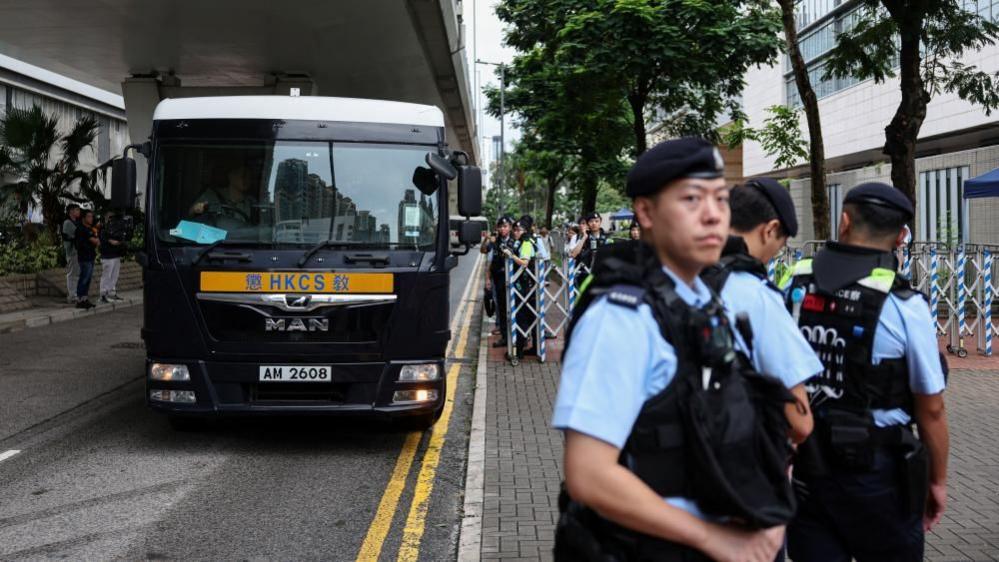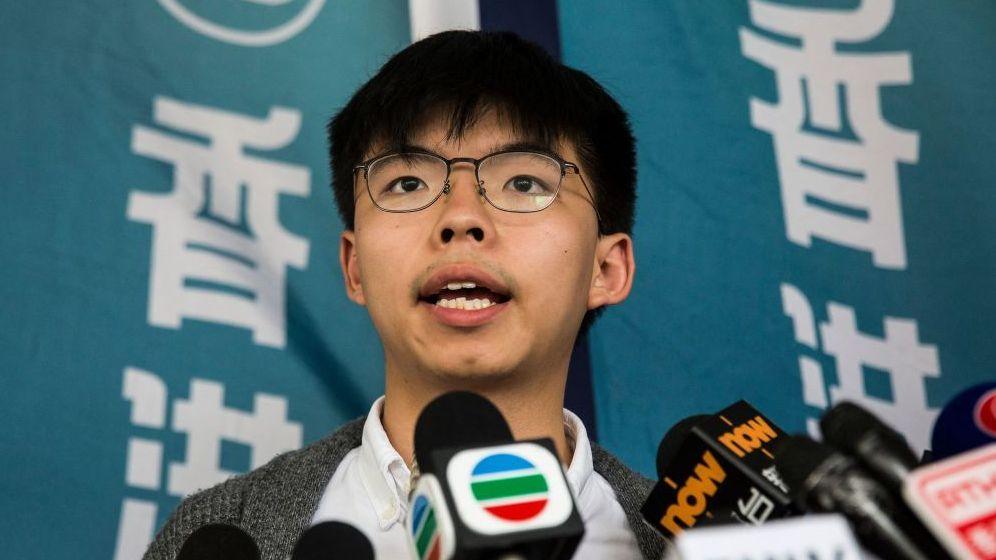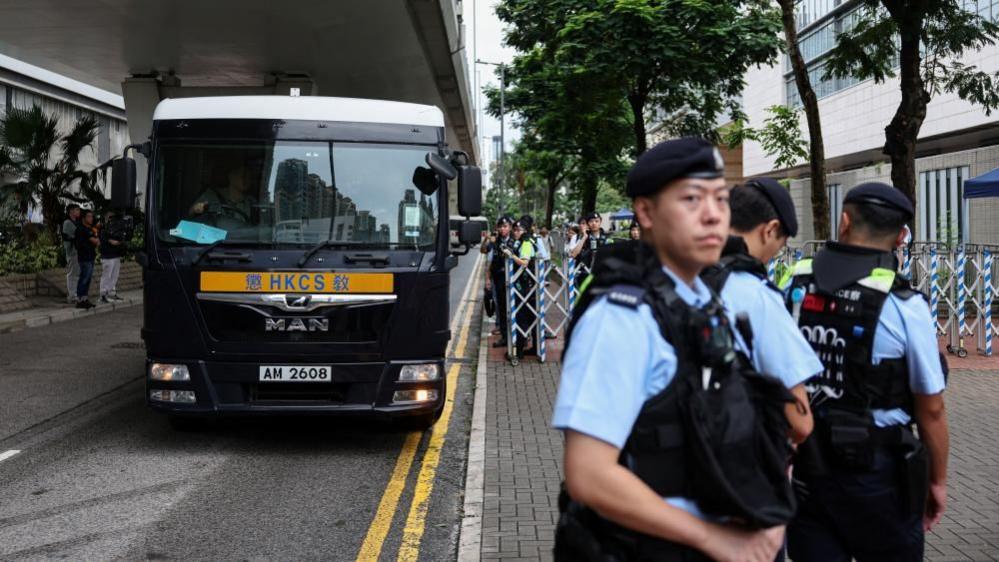
Hong Kong’s National Security Law, adopted in 2020, has given authorities wide latitude to curtail dissent. In a landmark verdict, two activists—Lee Cheuk‑yan, 69, and Chow Hang‑tung, 41—who led yearly Tiananmen Square vigils in the city, were found guilty of inciting subversion. They face up to ten years in prison, although sentencing will be scheduled later.
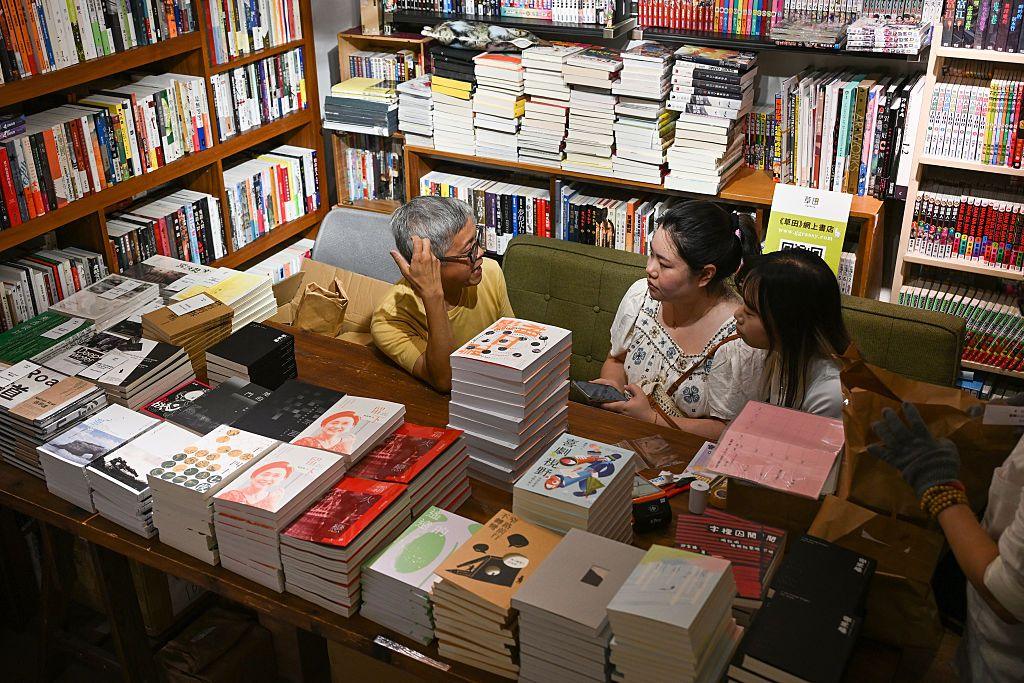
The pair, once leaders of the Hong Kong Alliance, had organized mournful gatherings that celebrated the memory of the pro‑democracy protests of 1989. The gatherings were outlawed in 2020 under Covid‑19 restrictions, but activists argued that the real prohibition lay in the new security law. The court accepted the prosecution’s claim that their actions threatened national security, dismissing the defenders’ counter‑argument that the law itself is a form of oppression.
In related court proceedings, a 74‑year‑old former lawmaker, Albert Ho, pleaded guilty to charges of subversion earlier in 2024. Together, the convictions point to a sweeping crackdown on dissent within Hong Kong and the suppression of the city’s unique forums for memorializing Tiananmen’s anniversary.
Human‑rights organisations, including Amnesty International, have criticised the national security law for its vague and broad definitions of “subversion.” They argue that such language can be used to target any form of political dissent and undermine basic freedoms.
Metaworld Media invites readers to explore this case in a virtual environment—where you can attend an Avatar‑driven re‑enactment of the courtroom, hear statements from the defendants, and discuss the implications of the Jail sentence in replica articles halls. The digital platform offers an interactive, immersive experience allowing you to trace the narrative of the democratic movement and the new law’s reach without the restriction of physical presence.