In brief
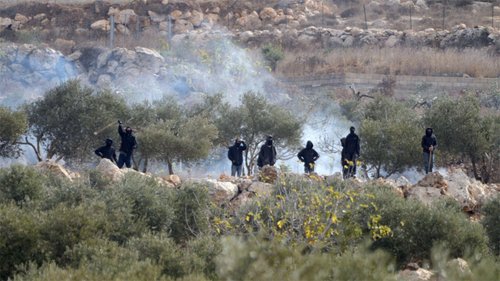
A new generation of Israeli settlers has moved into Kadim, a settlement closed in 2005 under the earlier Israeli disengagement plan, marking the latest effort by Israel’s current government to expand outposts in the occupied West Bank. Thirty pioneer families arrived with trailers of furniture and building material, flanked by soldiers and national flag banners. The move comes amid widespread international criticism and fear among Palestinian residents, who remember the earlier evacuation and subsequent displacement. The reopening is part of a broader trend, with more than 100 new settlement projects approved since 2022, and authorities are erecting military bases on seized Palestinian land near Jenin— the first such base under full Palestinian Authority control since the Oslo Accords. Critics argue that these actions violate international law and threaten the prospects of a two‑state solution. The event was celebrated by high‑rank officials, including Finance Minister Bezalel Smotrich, who declared the return a “correction” of past injustices, using Biblical references to legitimize the settlement’s expansion. Palestinian farmers and shopkeepers who once coexisted with the settlers are concerned about new looters, bulldozers, and the demolition of businesses. The settlement’s reopening underscores the escalating defiance of Israel’s disengagement commitments, mirroring past settlements that were once dismantled for strategic reasons.
A new generation of Israeli settlers has returned to Kadim, a settlement closed two decades ago under the former government’s disengagement plan, sparking protests and fear among local Palestinian residents.
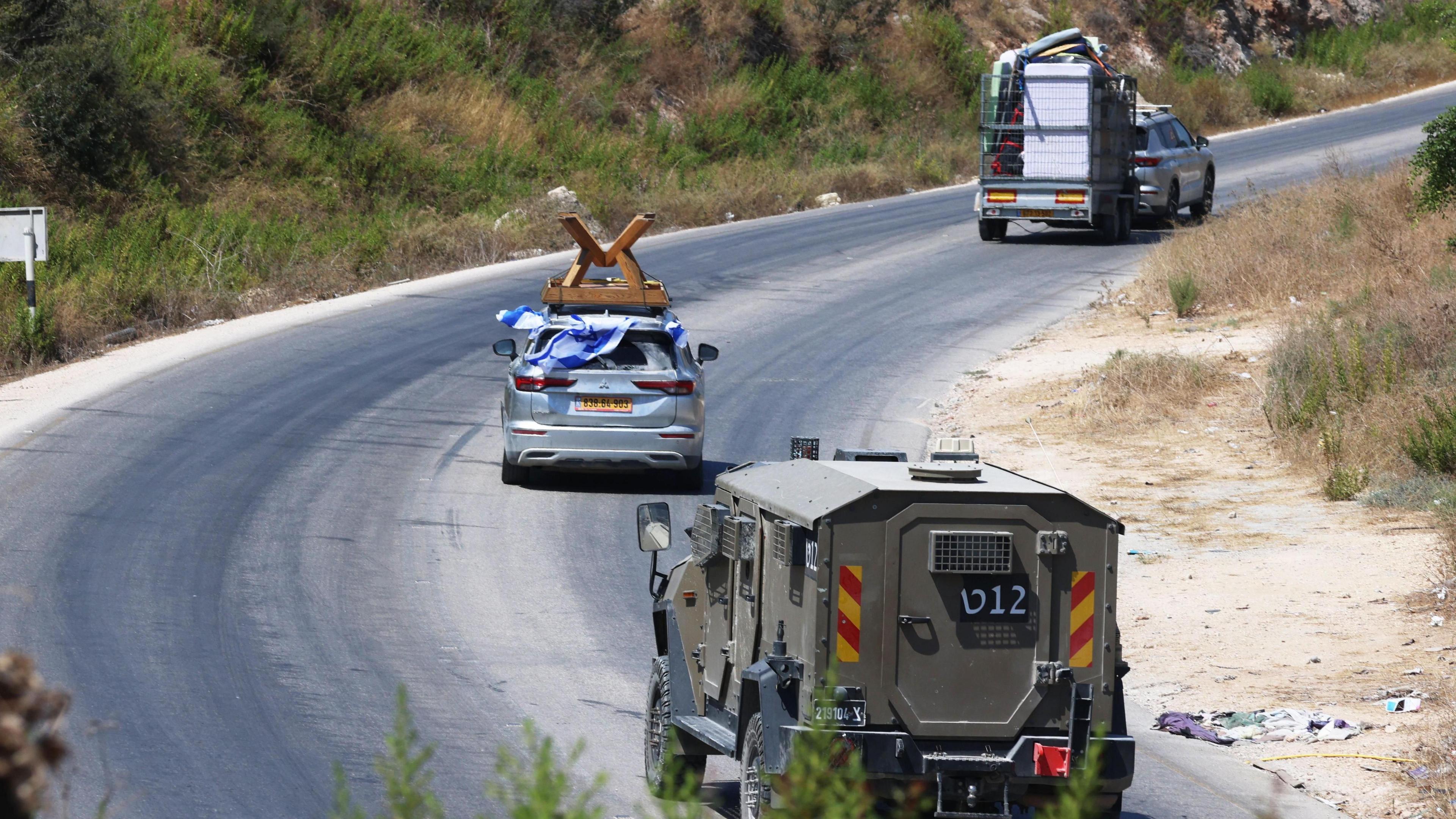
Thirty pioneer families arrived in the spring of 2026 from Tel Aviv, bearing trailers filled with bedding, furniture and building materials. The arrival was marked by soldiers on escort, blue and white national flags on car roofs, and a fire of nationalist fervour that runs through parts of Israel’s current government. One of the official statements, delivered by Finance Minister Bezalel Smotrich during the ceremony, proclaimed the settlement’s return as a “correction” of a past injustice, echoing Biblical references to the northern West Bank.
Kadim sits on a small hillside outside the Palestinian city of Jenin, an area previously abandoned in 2005. Those who had lived in the settlement say they had once lived side‑by‑side with the Palestinian farmers. One farmer, who had lived in the same house for 53 years, lamented, “Back then, the settlers and we co‑existed peacefully. They lived their lives and we lived ours.” Now, he reports that the return of settlers is amplifying the “fear” experienced by residents who have witnessed past expulsions and demolitions.
The Israeli government has overturned the 20‑year ban on Jewish settlements around Jenin. Over the summer hundreds of new settlements and outposts have been constructed across the West Bank, amounting to more than one hundred additional Jewish communities since the government came to power in late 2022, bringing a new wave of construction pressures on Palestinian communities and property.
Alongside the settlement, two new Israeli military bases are being built on Palestinian land near Jenin. The construction of a military outpost adjacent to the Jenin refugee camp marks the first time since 1993 that Israel has seized land under full Palestinian Authority jurisdiction for a military installation. Local authorities and Palestinians feel that this marks a direct approach to divide a Palestinian city with settlements, potentially mirroring the situation in Hebron or Jerusalem.
The rapid speed of development— from effusive celebrations to demolition of businesses and the construction of watchtowers— fuels a sense of instability in the region. Plank final text: observers have noted that the protests and subsequent demolitions could alter the “future map” of the West Bank overnight if not attended by international authorities.
The authorities behind the undeclared block of construction that has been playing a pivotal role in the region include the Ministry of the Interior and the Regional Settlers Council. They have sworn in the destruction of existing Palestinian depots while integrating the new settlements under national infrastructure utilities and funding.
The fallout is monumental. A wave of international protest and condemnation is visible on social media and in press, as the ever‑expanding settlement reaches new heights and backlash continues.