In brief
Amid reports revealing that over 4,500 Inuit women and girls received intra‑uterine devices without consent, Greenland’s justice minister clarified that the government cannot yet declare a genocide. Two expert panels issued diverging conclusions, with one denying genocide and the other acknowledging possible genocidal intent. Denmark has issued an apology and a compensation law. The debate underscores ongoing tensions over colonial policies and indigenous rights in Greenland.
In the 1960s and 70s a Danish‑led birth‑control campaign in Greenland implanted intra‑uterine devices (IUDs) in thousands of Inuit women and girls without consent, a practice that has since been the subject of intense scrutiny.
Conflicting Expert Reports
Two panels of experts were tasked with determining whether these actions constituted a genocide. One report, led by a lawyer from Alaska and a professor at the University of Copenhagen, concluded that human rights were violated but could not confirm genocide based solely on contraceptive practices. The opposing report, written by a former head of the Danish Institute for Human Rights and a psychologist, found no evidence of intent to destroy the Inuit population.
Government Response
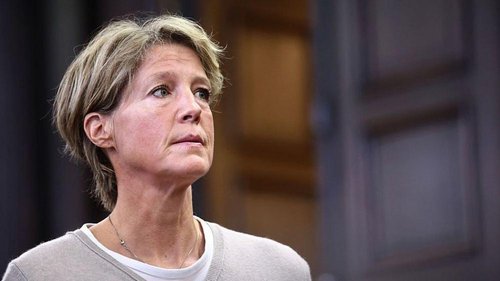
Justice Minister Marianne Paviasen stated that the government cannot yet say whether genocide occurred, leaving the question open for further debate. Meanwhile, Denmark issued a formal apology and passed a compensation law awarding 300,000 Danish crowns (about $46,800) to each affected woman.
Historical Context
Greenland, formerly a Danish colony, maintained a Danish‑controlled health system until 1992. The birth‑control program, deemed a “success” in 1970, reduced the fertility rate from seven children per woman to 2.3 within eight years, proving a stark example of population control.
Personal Accounts
Henriette Berthelsen, 70, and Inger Platou, 70, have spoken publicly about their experiences: being treated “like animals” and denied consent for IUDs, which caused long‑term health consequences. These testimonies highlight the individual human impact of the policies.
Future Outlook
Denmark’s Prime Minister, Mette Frederiksen, has pledged to work with Greenlandic officials to find a mutual path forward, possibly through a reconciliation commission. The unresolved genocide question continues to fuel political and legal discussions about colonial accountability and indigenous rights in the Arctic region.