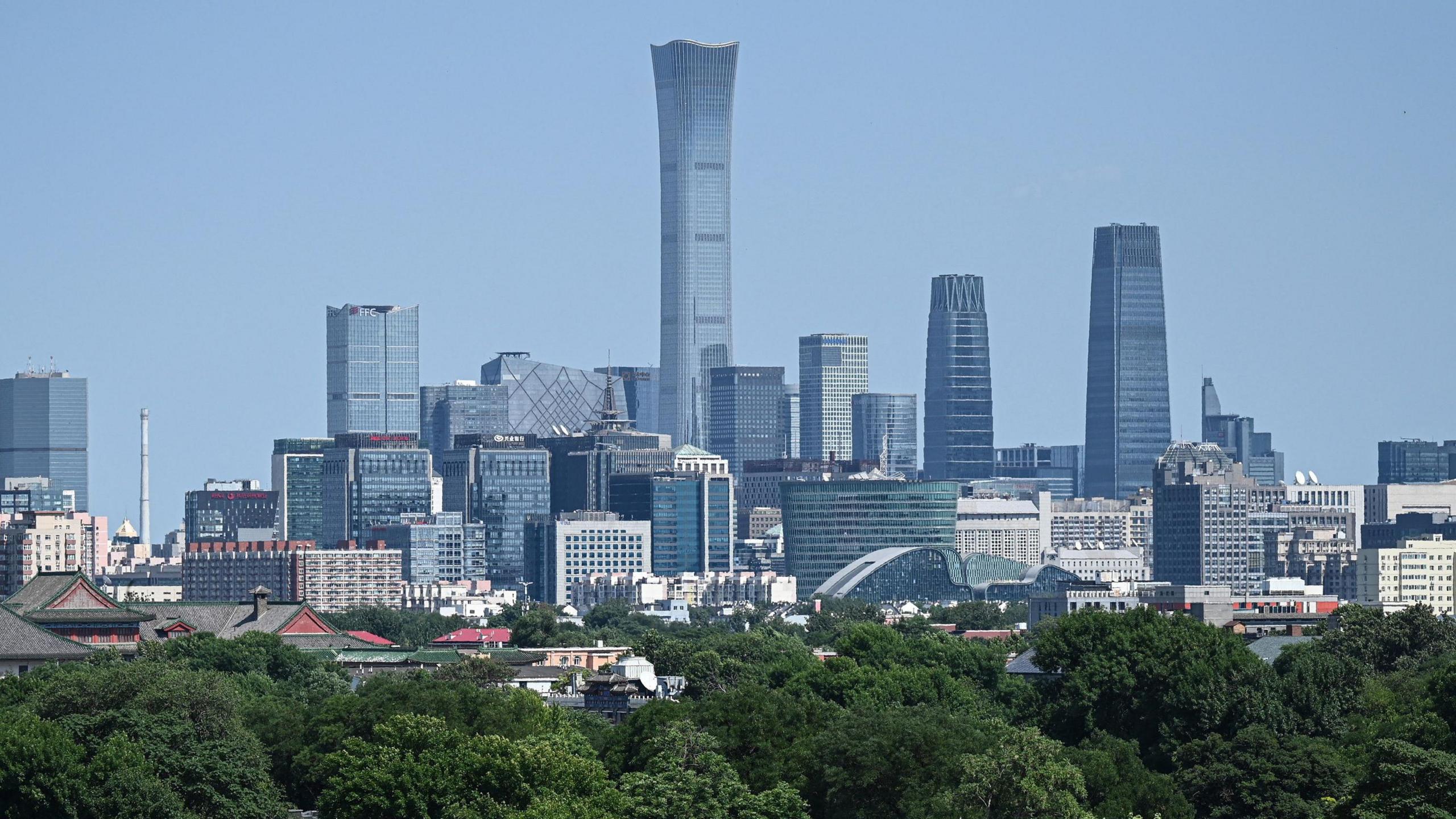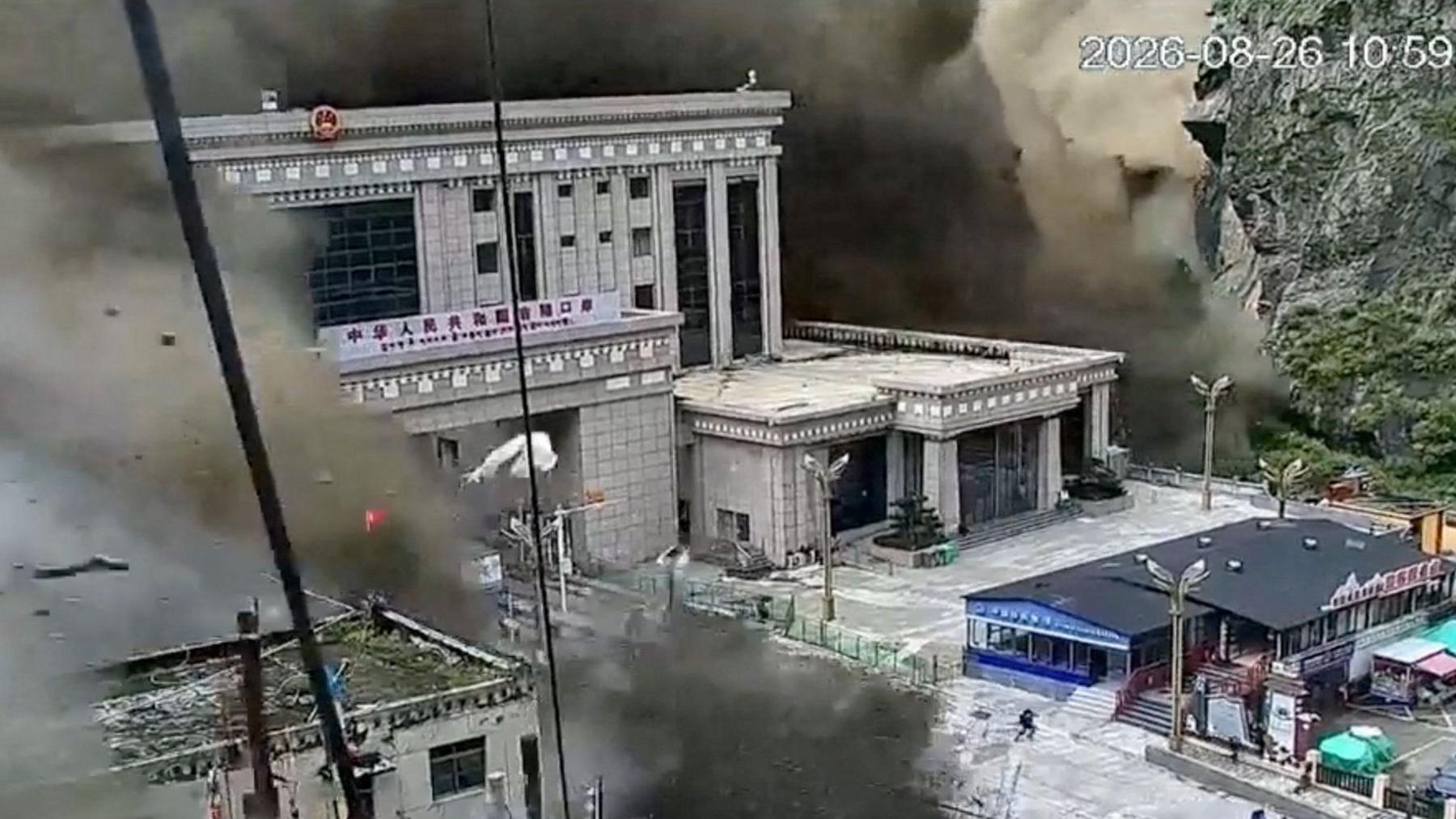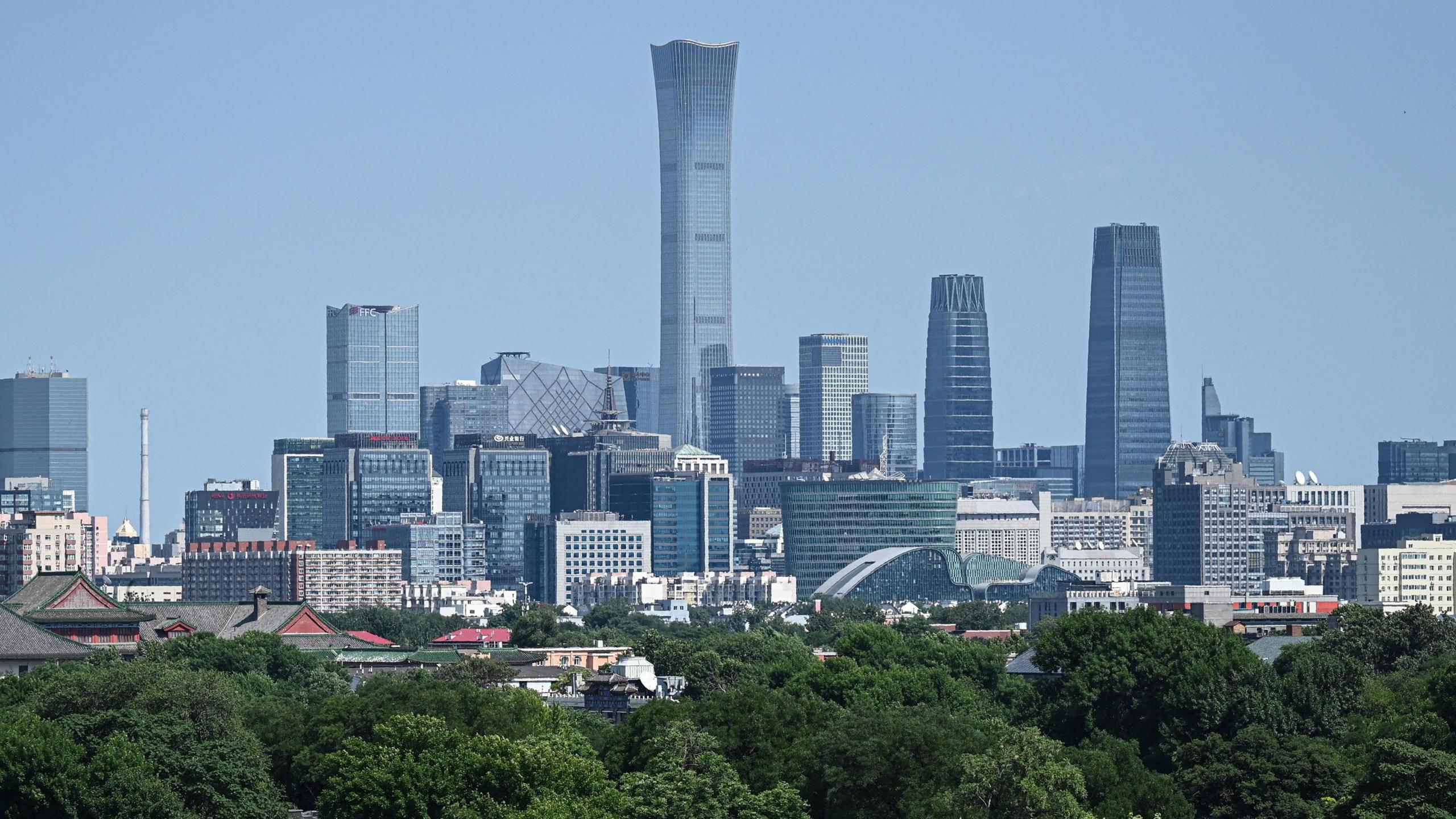
In early June, a small Aurora SA60L light aircraft broke into the side of Beijing’s tallest CITIC Tower. The one‑seat pilot died on impact, while thirteen others suffered injuries and many tower occupants were temporarily displaced.
China’s state‑owned Beijing Daily published a terse, 60‑word entry, noting the crash occurred just kilometres from the red‑lined area surrounding Zhongnanhai – the Chinese Communist Party headquarters. No official investigation report has yet been released.
The incident triggered an immediate shutdown of all light aircraft flights, according to several aviation firms that spoke to the BBC. They were instructed not to discuss the matter further, citing security directives.
A Sudden Air‑Space Vacuum
Beijing enforces a permanent no‑fly zone of around 100 sq km over the political core that includes Tiananmen Square and Zhongnanhai. The fact a two‑seat plane made it close to that zone has raised concerns about gaps in the city’s air‑space management.
Experts note that recently the capital tightened drone regulations, now requiring registration before entering or exiting the city. Yet a relatively large light aircraft managed to breach the restricted airspace, a scenario that could be politically embarrassing and a security lapse.
The accident has entered a censure vortex. Images and memes of the tower unrelated to the crash have been pulled down from Chinese social media. The sudden purge of imagery suggests officials are uneasy about the event’s narrative impact.
Possible Scenarios and Global Echoes
While pilot error or mechanical failure remain plausible, analysts warn that intentional action cannot be ruled out entirely. Comparisons have been drawn to the 1987 Mathias Rust case, where a German pilot landed near Moscow’s Red Square, exposing Soviet air‑defence flaws. Public confusion parallels early relays of the 9/11 attacks in the US.
Senior Chinese security officials may now face scrutiny, and a failure in the jet‑security chain could prompt reshuffling of personnel oversee national air‑space protocols.