China's economy grew faster than expected in the first three months of 2026, with a gross domestic product (GDP) increase of 5% compared to the previous year, despite the global repercussions of the US-Israel war with Iran. Economists had anticipated a growth rate of approximately 4.8%.
This growth comes in the wake of the conflict in the Middle East, which broke out on February 28, significantly impacting global energy supplies, with Asian countries feeling the strain the hardest. This is the first official GDP report since Beijing recently adjusted its annual growth target downwards to a range between 4.5% and 5%, marking the lowest goal since 1991.
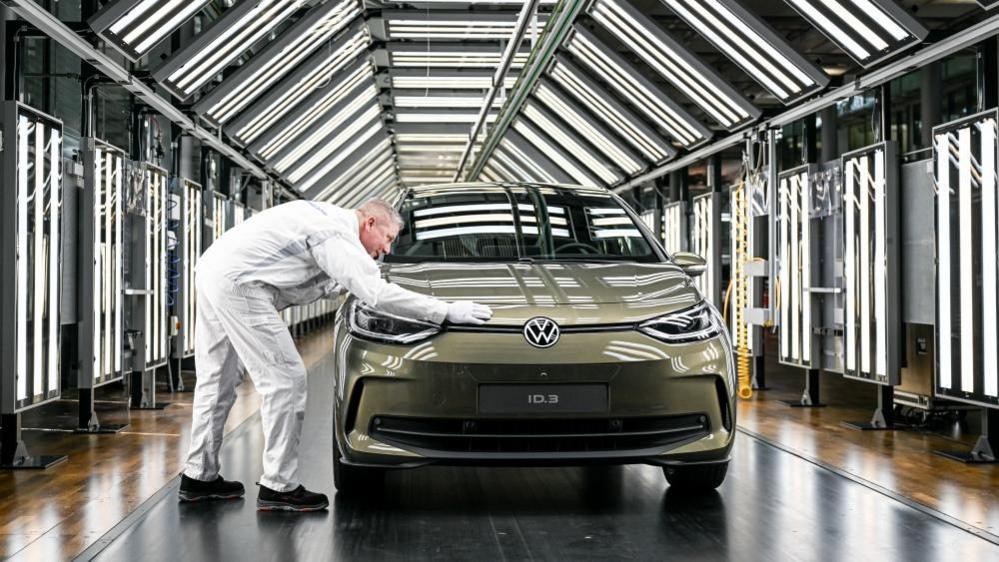
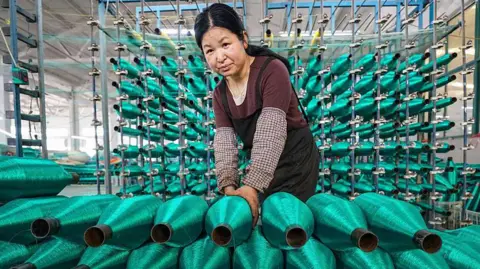
The quarterly growth recovery reflects a rebound from a 4.5% expansion in the previous quarter, largely spurred by a resurgence in manufacturing, even as the sector faces challenges linked to declining property investments. Cars and other exports emerged as a significant highlight in the data, according to Kyle Chan, an analyst from the Brookings Institution.
Looking forward, Chan cautioned that the full impact of the Iran conflict has not yet materialized and that the next quarter's GDP figures could reflect weaker performance due to ongoing trade disruptions caused by the war.
In March, China unveiled monthly export statistics showing a slowdown, with growth dipping to 2.5% compared to last year, signaling potential woes in consumer spending influenced by rising inflation linked to the conflict. Imports also surged nearly 28% in March, contributing to a monthly trade surplus of just over $50 billion—a figure not seen in more than a year.
The increase in import value has been attributed to rising global costs due to the Iran war, affecting everything from crude oil to materials derived from it, like plastics. Observers note that while China is less reliant on Gulf oil compared to Japan and South Korea, rising petrol prices are increasingly felt domestically.
China's economy is at a pivotal moment, as it faces various challenges, including weak consumption, a shrinking population, and a prolonged property crisis, intensified by external pressures such as ongoing US tariffs and global trade tensions.