In brief
Archaeologists have discovered the world’s oldest documented shipwreck near Turkey’s Kekova Island, dating back to the Early Bronze Age. The 10‑metre vessel, now collapsed on the sea floor, carried more than 30 amphorae that still contain traces of their original contents. Detailed pottery analysis linked the design styles to similar artefacts in Egypt and the Middle East, confirming the wreck’s age. The find also sheds light on ancient maritime routes and trade networks across the Mediterranean.
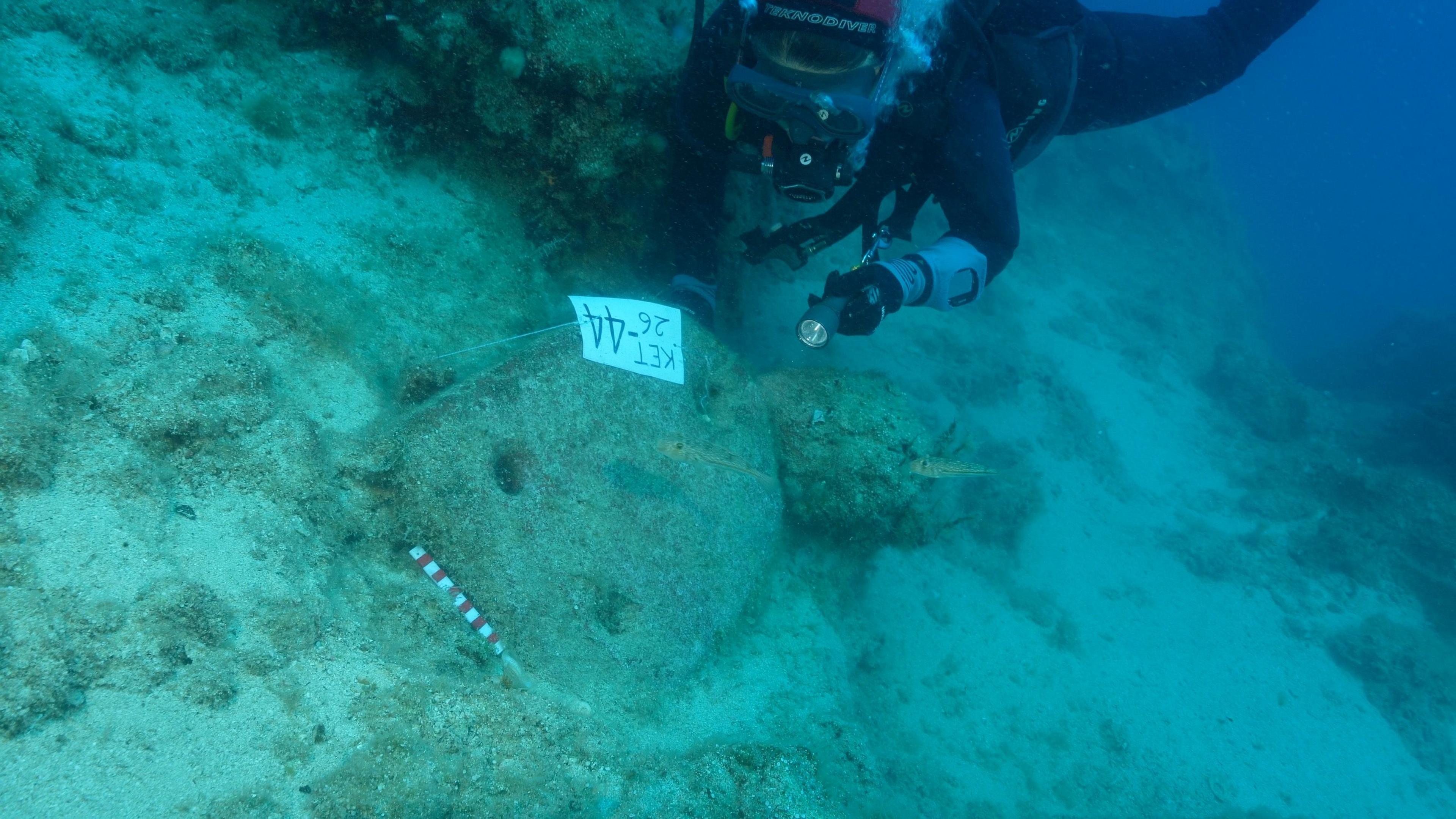
A team of archaeologists has uncovered a shipwreck dated 4,400‑to‑4,700 years old just 30 m below sea level off the coast of Kekova Island in Turkey’s Antalya province. The find, the world’s oldest known shipwreck, dates to the Early Bronze Age – the same era in which the Great Pyramid was being built – and offers a unique glimpse into ancient maritime commerce.
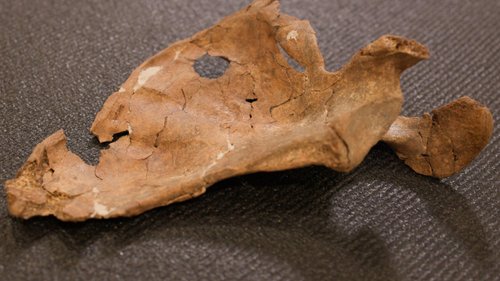
The collapsed hull, now lost to the sea, was accompanied by more than 30 amphorae—ceramic storage pots that still hold a glossy residue. The amphorae are distinctive, with two handles, a central ridge, and a flat base; the design matches pots found in Egypt and the Middle East that are 4,400‑4,700 years old, confirming the vessel’s age.
Prof Hakan Öniz of Akdeniz University, who led the expedition, called the wreck a “time capsule at the bottom of the sea.” He noted that while the wooden frame is gone, the cargo offers invaluable evidence of Early Bronze Age trade routes. “We can be 100 % certain this is Early Bronze Age,” he said.

Dr Karin Sowada of Macquarie University examined the amphorae and was astonished that many still contain a viscous, glossy substance. “It could be olive oil, wine or tree resin,” she said. “It might also reflect a reuse of the jars on later voyages.”
The wreck sits roughly 30 m south of Kekova, an area notorious for its strong currents and many lost ships. The Mediterranean Archaeology Association, which specializes in locating and studying such sites, is responsible for the excavation.

The ship likely departed from the eastern Mediterranean, destined for Troy or the Minoan civilization on Crete. Its cargo and design provide evidence for trade routes that linked the Bronze Age societies of the Aegean, Anatolia and beyond.
The recovered artefacts, now conserved after thousands of years underwater, will be displayed at the new Mediterranean Underwater Archaeology Museum in Antalya. The wreck’s discovery has set a new benchmark for the world’s oldest shipwreck, surpassing the previous record of a 4,200‑year‑old vessel off Greece’s Dokos Island.