In brief
A new series of uniform rules in Azerbaijan that effectively ban hijabs has sparked rare street protests in Baku and across southern districts. The restrictions, aimed at enforcing state secularism, have triggered arrests and international scrutiny. The move has also stirred a diplomatic spat with Turkey, which has publicly condemned the ban and organized protests outside its embassy. Further complicating matters is Azerbaijan's delicate balance between Muslim-majority neighbors and its role as a key partner for Israel.
You are telling me, I can't come to school? says a teenage girl in a navy blue Islamic headscarf as she challenges a staff member at the entrance to her school in Baku.
The footage, shared widely on social media, shows a group of girls in hijabs standing behind her, applauding as she continues: Why should I have to give up my religion?
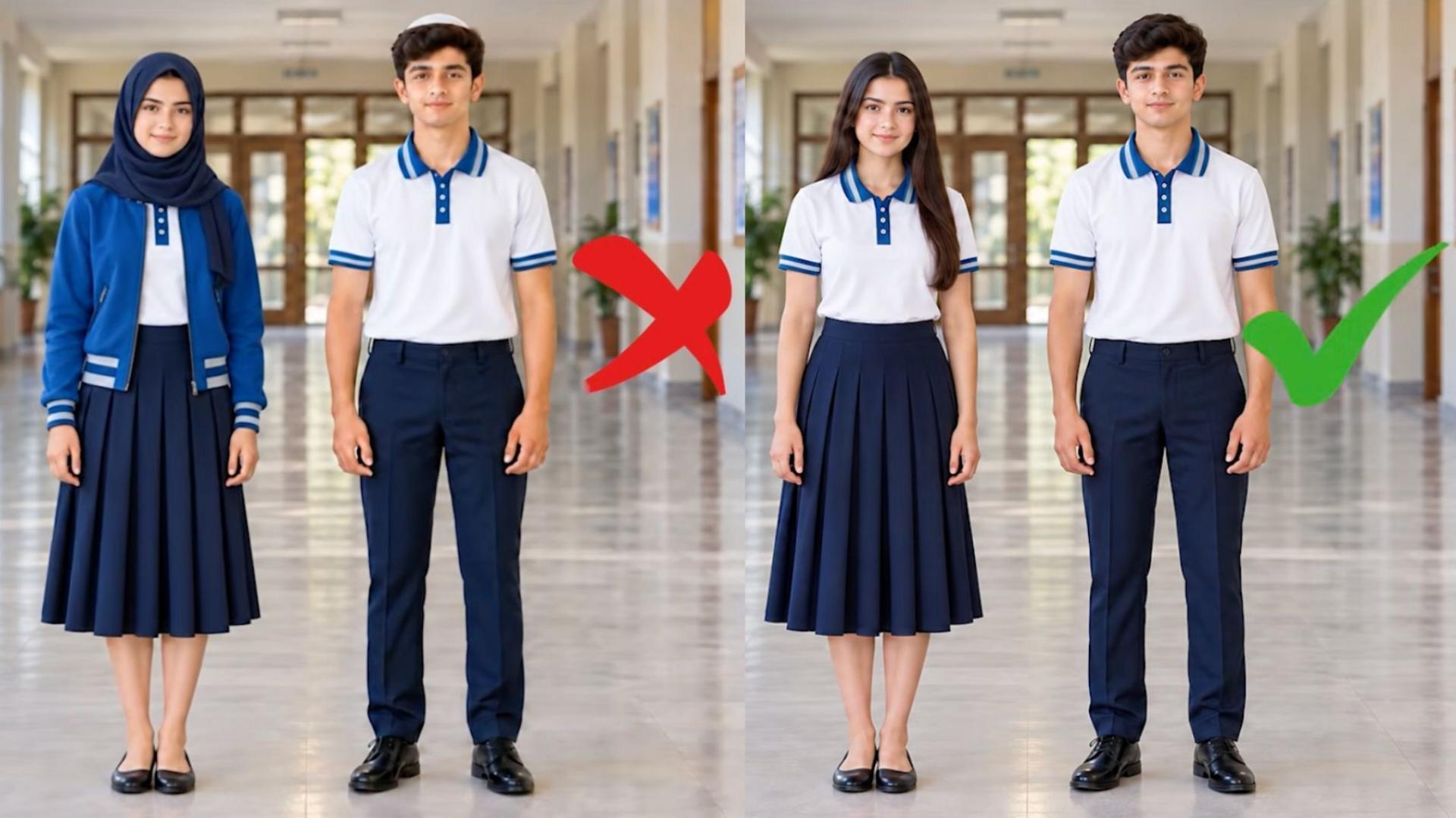
The Azerbaijani education ministry began enforcing new uniform rules last Monday, turning away female pupils wearing hijabs. Protests erupted outside state schools in the capital and in southern districts such as Masally and Jalilabad.
These demonstrations are rare in the oil‑rich, 10.5 million‑strong republic, where President Ilham Aliyev has ruled since 2003 with little tolerance for dissent. Over 60 % of the population is Shia Muslim, while the state remains constitutionally secular.
Azerbaijan sits between Turkey to the north and Iran to the south. Although it speaks a Turkic language closely related to Turkish, it is mainly Shia, creating a unique cultural mix that underpins the current conflict over hijab bans.
The interior ministry detained 37 activists on Monday who tried to obstruct the new rules. Similar guidelines were extended to teachers on 6 October. The rules, approved on 21 September, prohibit clothing that conflicts with the principle of secularism in state schools, although they do not explicitly mention the hijab.
Online the banned girls’ parents and friends report blocked access to Instagram and TikTok, and a notable activist, Ilkin Huseynov, disappeared after leaving Baku on Wednesday, leading many to suspect state detention.
The situation has drawn international scrutiny. Turkish officials, including President Recep Tayyip Erdoğan’s adviser Oktay Saral, condemned the rules as “unacceptable” and urged Baku to reverse them. Small demonstrations outside Azerbaijan’s embassy in Ankara and consulate in Istanbul reflected domestic unrest in Turkey.
Baku’s New Azerbaijan Party has warned that Turkish comments risk harming diplomatic ties, arguing that interference in its internal affairs is unwarranted. The dispute may also be linked to Azerbaijan’s close ties to Israel, which supplies weapons to Baku.
Azerbaijan’s complex balancing act—maintaining relations with both Israel and Turkey while supporting its domestic secular narrative—continues to strain its regional relationships, especially as protests spread across conservative neighbourhoods near the Iranian border.