In brief
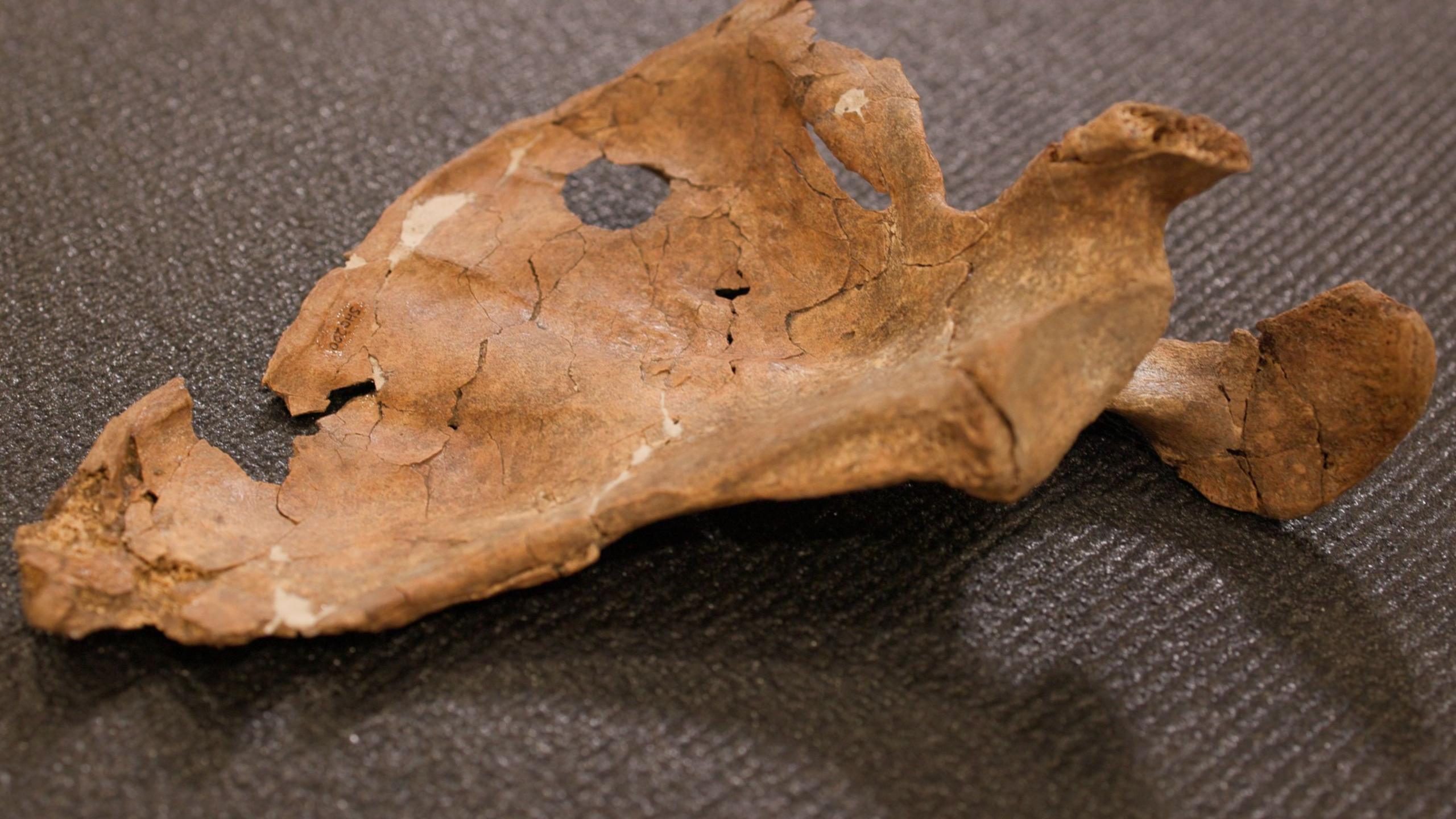
Scientists have uncovered a 15mm circular hole in a Neanderthal shoulder blade that may be the earliest evidence of fatal violence with a sharpened wooden spear. The fragment, recovered from Shanidar Cave in Iraqi Kurdistan, indicates a spear struck the chest and exited the left shoulder, likely damaging the heart and major blood vessels. The finding challenges the view that Neanderthal societies were largely peaceful and aligns with other early evidence of interpersonal violence in the fossil record. Researchers debate whether the wound reflects a hunting accident or a deliberate attack, but many experts lean toward the latter given the trajectory and severity of the mark. This discovery adds to a growing body of data that violence may have deep roots in human prehistory.
A fragment of a Neanderthal shoulder blade recovered from Shanidar Cave in northern Iraq contains a round 15‑millimetre hole that researchers believe was caused by a sharpened wooden spear. The wound appears to have entered the chest, inflicted a fatal injury to the heart or a major vessel, and exited through the left scapula.
The find is remarkable because it offers the earliest physical evidence of lethal interpersonal violence with a wooden weapon, dating 75,000 years before present. Dr Emma Pomeroy, lead author of the study from Cambridge University, says the precise, circular nature of the hole matches experimental damage from recreated spears.
While the researchers acknowledge that the wound could be a hunting accident or friendly‑fire incident, many scholars—including Prof Chris Stringer of the Natural History Museum—suggest an intentional attack by a rival is more plausible, given the trajectory and severity of the injury.
Shanidar Cave is also the site of earlier Neanderthal remains showing healed rib fractures that some interpret as evidence of sharp‑tipped stone‑weapon trauma. These patterns hint at a broader trend of violence among hunter‑gatherer groups long before the advent of agriculture.
Other research, such as the 2022 study from northern Spain’s “Pit of Bones,” documents healed head injuries and puncture wounds on twenty Neanderthal skulls, suggesting repeated fatal blows occurred hundreds of thousands of years earlier than previously thought.
Together, these discoveries challenge the perception that early human societies were predominantly peaceful and raise new questions about the origins and prevalence of intergroup conflict in human evolution.