In brief
Airbnb has rolled out new guidelines that limit how its hosts can set house rules. Starting 20 November, hosts may list seven standard rules and add only “reasonable” requests, such as limiting shower time during droughts. The platform explicitly bars asking guests to perform tasks that would normally require a cleaner, like stripping beds or washing dishes. While hosts still control their rule‑sets and can post them prominently on listings, fines are removed and any policy breach will be flagged and can be appealed. The change follows widespread guest complaints and viral videos of hosts scrutinising rentals after guests depart.
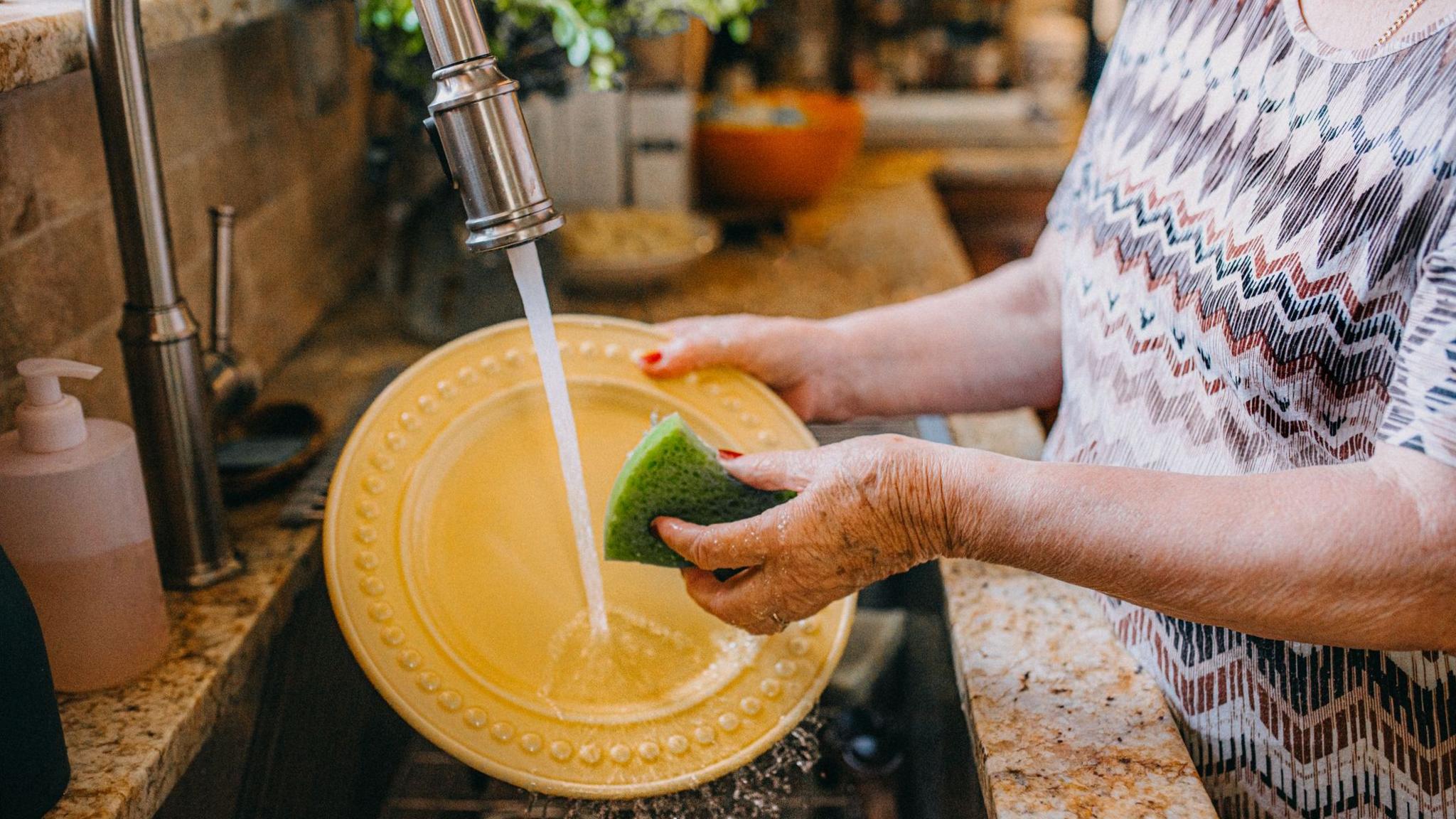
Airbnb has updated its house‑rule policy to limit the tasks that hosts can ask guests to do, clarifying that cleaning duties such as stripping beds, washing dishes, and taking out the trash are no longer acceptable requests.
Under the revised guidelines, hosts may outline up to seven standard rules and any additional “reasonable” requests, though the system now disallows demands that would normally require a professional cleaner. The new rules take effect on all bookings made on or after 20 November.
The company noted that many guests have raised concerns in recent years about having to perform chores—despite paying a cleaning fee—before they could leave. In response, Airbnb is removing fines for rule violations and ensuring that any questionable requests are flagged and can be challenged by hosts.
Exceptions remain possible, such as requesting guests to limit shower time during local drought restrictions. Apart from host discretion, contracts for requesting household tasks will only be permitted in limited circumstances, for example when required by law or homeowners‑association rules.
The policy change follows viral TikTok clips from hosts who had previously been criticized for strict rules, like insisting on a tidy remote control, and for the broader conversation around guest fairness in the sharing‑economy sector.
Airbnb’s move aims to streamline the booking experience, reduce friction between hosts and guests, and position the platform as a respectful player in the hospitality market.